Cape Town: Where to Stay, What to See, and How to Plan a Memorable Visit
Sitting beneath the iconic Table Mountain and fringed by rolling Atlantic beaches, Cape Town offers a vivid mix of neighbourhoods, cuisine, and natural splendour. Whether you favour a boutique guest house overlooking the sea, a modern apartment in the heart of the city, or a cosy b&b tucked away in a leafy suburb, planning ahead helps you get the most from your stay. The Western Cape capital is easy to navigate, with options for every budget and travel style, from leisurely coastal strolls to scenic day trips into the Winelands.
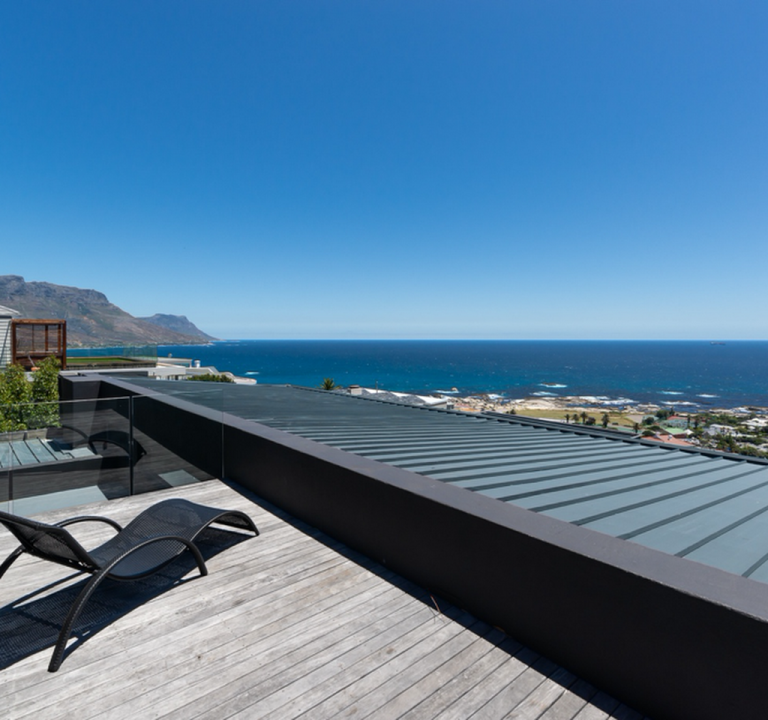
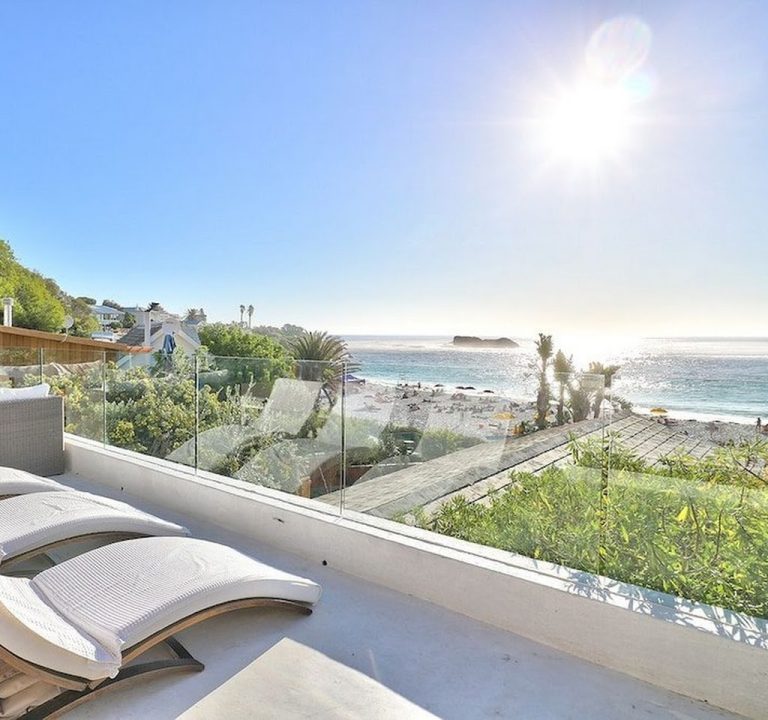
When choosing accommodation, consider the experience you want and how you’ll move around. The city centre and the historic Bo-Kaap offer easy access to cultural sights, museums, and vibrant restaurants. The Atlantic Seaboard, including Sea Point and Camps Bay, delivers dramatic ocean views and seaside walks, while Clifton and Llandudno are prized for their beaches and calmer beacheside vibes. Constantia valley provides a wine-and-dine countryside escape close to the city. If you plan long stays or family travel, serviced apartments and guest houses with kitchen facilities offer flexibility and value. For a truly local feel, look for guest houses with warm hosts and well-equipped rooms in residential streets rather than purely tourist areas.
Typical amenities you’ll encounter include free Wi‑Fi, smart TVs, en-suite bathrooms, and tea- and coffee-making facilities. Many properties offer continental or cooked breakfasts, with options for dietary needs. Parking may be included or available nearby, and some places provide transfers or easy access to public transport. In guest houses and boutique hotels, you’ll often find common spaces such as lounges or small courtyards, which can be a relaxed base for meeting fellow travellers or planning day trips. If you’re staying in a busy hub, a quiet room and good soundproofing can transform a busy itinerary into restful evenings.
Transport is straightforward but varies by area. The MyCiTi bus network covers many central routes and coastal suburbs, making short hops around the city convenient. Uber and other ride-hailing services are widely used and typically affordable for airport transfers and longer city journeys. If you plan to visit the Winelands or the Cape Peninsula, consider a guided day trip or hire a car for more flexibility. Some guest houses and hotels can arrange driver services or tours, which can be a practical way to balance comfort with independent exploration.
Best time to visit Cape Town largely depends on your preferences for climate and crowds. Spring (September to November) brings blossoming gardens and milder weather, while summer (December to February) offers longer days and lively outdoor scenes along the coast. Autumn (March to May) is generally sunny and pleasant, and winter (June to August) brings cooler seas and quieter streets. It’s worth noting that peak travel periods coincide with school holidays, so booking well in advance is wise if you’re aiming for popular seaside addresses or renowned dining spots.
For attractions, plan a mix of natural scenery, culture, and urban experiences. A ride or hike up to a vantage point on Table Mountain is a classic, weather permitting, and the nearby natural parks invite scenic walks and wildlife spotting. The coastline delivers beaches and seaside promenades that are perfect for relaxed days out, while the V&A Waterfront area combines shopping, dining, and harbour views. Beyond the city, the Cape Peninsula road trips offer dramatic coastal scenery, with marine life and wildlife viewing opportunities. For food lovers, Cape Town’s dining scene ranges from casual oceanfront eateries to elegant tasting menus, with many venues emphasising fresh, local ingredients and Mediterranean-inspired flavours.
When booking, keep a few practical tips in mind. Read recent guest reviews to gauge consistency, especially about hospitality, cleanliness, and how well a property suits your needs. Check access to public transport, particularly if you won’t have a car. If you’re visiting during busy periods, consider flexible cancellation policies and proximity to your planned activities. If you’re exploring with children or older travellers, look for family-friendly features such as easy access, on-site parking, and nearby parks or beaches. Finally, once you have a place secured, map out your daily routes to balance longer day trips with restful breaks, so you can savour both the scenery and the city’s flavours without fatigue.
- Areas to consider: City Bowl for culture, Atlantic Seaboard for sea views, Clifton and Camps Bay for beaches, Green Point for proximity to stadiums and parks, Constantia for a wine-country feel, and Woodstock or Salt River for hip, up-and-coming dining and shops.
For those seeking further planning resources, Cape Town’s official tourism sites and regional guides provide practical itineraries, event listings, and current travel tips. While prices and availability fluctuate, a well-chosen stay near public transport lines or within easy reach of your desired activities will help you maximise your time in this dynamic, sun-kissed city.