Cape Town: Accommodation, Attractions and Planning Your Stay
Cape Town offers a diverse range of places to stay, from stylish boutique BnBs and guesthouses to contemporary hotels and self-catering apartments. When planning a visit, it helps to choose a neighbourhood that aligns with your interests, mobility needs and pace of travel. Whether you seek dramatic ocean views, easy access to restaurants and nightlife, or a tranquil cellar-door experience within reach of world-class vineyards, there are options to suit most budgets and itineraries.
Areas to consider include the following. The City Bowl and the historical inner city put you within reach of museums, markets and panoramic viewpoints, while offering convenient access to public transport. The Atlantic Seaboard—including Camps Bay and Clifton—delivers iconic coastlines, sandy beaches and fashionable dining, ideal for sun-seekers and those who enjoy a more laid-back, resort-style atmosphere. The Constantia Valley and nearby southern suburbs provide leafy tranquillity, quiet guesthouses, and easy access to wine estates. For those who prefer a budget-friendly base with easy connections to the city’s attractions, the southern suburbs and coastal towns such as Muizenberg offer practical options with a more traditional local feel.
When booking, look for properties that clearly state the type of room, boat, beach or city views, and the level of privacy. Pay attention to the size of the property and the number of guestrooms if travelling as a family or group. Check for essential amenities such as en-suite bathrooms, reliable Wi‑Fi, a well-equipped kitchenette or access to a shared kitchen, secure parking or easy street parking, heating or air-conditioning, and convenient access to stair free routes if mobility is a consideration. If you plan long stays, consider self-catering options or suites with kitchen facilities to keep daily costs predictable. For travellers who value sustainability, look for energy-efficient options and water-saving practices common to many Cape Town properties.
Transport in Cape Town is practical but planning ahead makes a difference. The city offers a mix of MyCiTi bus routes, commuter trains, ride-hailing services, and rental cars. If you stay near the city centre or the Atlantic Seaboard, walking and short taxi rides are often feasible for day-to-day excursions. If you intend to explore the Cape Peninsula or winelands beyond the city, a car or organised tours will be most convenient. Some properties offer shuttle services or can arrange airport transfers on request. When budgeting, remember that peak seasons and popular routes can influence travel times, so plan buffer periods for drives between major sights and your lodging.
Best time to visit Cape Town depends on the activity you prioritise. The summer months (roughly December to February) are warm and sunny, ideal for beaches, outdoor adventures and long afternoon harbour strolls. Autumn (March to May) and spring (September to November) offer pleasant weather with fewer crowds and vibrant natural scenery, including wildflowers in the surrounding areas. Winter (June to August) brings cooler, occasionally rainy days, which can be great for cosy stays, museum visits and wine-tasting tours in the surrounding valleys when outdoors are less crowded. Always check local advisories and plan for occasional sea breezes or microclimates in coastal pockets like the Atlantic Seaboard.
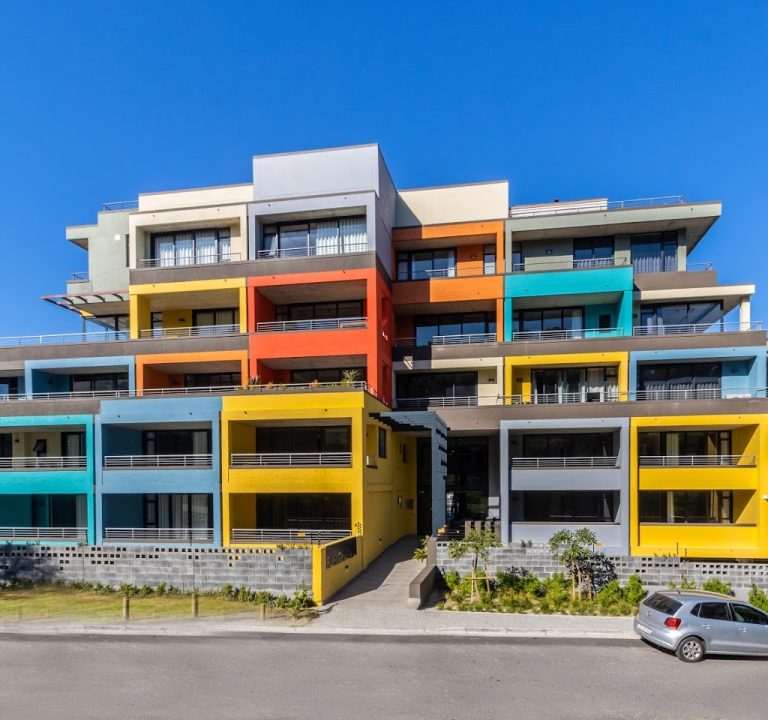
Accommodation types commonly found in Cape Town include boutique BnBs with a personalised touch, guesthouses that blend character with comfortable facilities, modern hotels located near business zones or waterfronts, and self-contained apartments or cottages that suit families or groups. Depending on the property, you might find features such as plush bedding, daily housekeeping (subject to policy), on-site dining without needing to go far, secure parking, and access to common areas like lounges or gardens. Many listings also note pet-friendly options or level access, which can be important for travellers with special requirements. Room configurations vary, so clarify whether you’re booking a studio, one-bedroom, or multiple bedrooms to match your needs.
When it comes to excursions, Cape Town offers broad appeal. Natural landmarks and viewpoints are a core draw, with iconic cable car rides to elevated vantage points, coastal drives along scenic routes, and hiking opportunities close to the city. Cultural experiences include exploring historic neighbourhoods, visiting markets, and sampling regional wines and cuisine at nearby estates. For a balanced itinerary, mix outdoor days with museum visits, strolls along the harbour, and relaxed meals at family-friendly or gastro-pub settings. Dining options range from casual seafood and modern casual eateries to refined restaurants offering contemporary interpretations of South African cuisine. In terms of budgeting, expect a range of pricing tied to location and style, with higher-end stays typically perched alongside the coast or within central hubs, and more economical options in suburban areas with good transit links.
Practical tips to help you plan your stay:
- Compare cancellation and refund policies before booking, particularly for longer stays or refundable options.
- Check proximity to your preferred sights and whether the property provides guidance or shuttle services for popular routes.
- Read guest reviews carefully to gauge noise levels, cleanliness, and staff responsiveness.
- Ask about parking arrangements and security, especially if you plan to rent a car or travel by taxi late at night.
- Pack appropriate clothing for coastal weather: mornings can be cool, with warm afternoons in summer and brisk evenings in winter.
- Plan ahead for peak tourist periods by booking well in advance and securing flexible or refundable options where possible.
For reliable planning and inspiration, consult regional tourism resources and official city guides, which can offer practical tips, seasonal recommendations and transport information. A well-chosen base in Cape Town can not only make access to the city’s attractions smoother but also enhance your appreciation of its diverse landscapes, culinary scenes and warm hospitality. For further information on places to stay and planning tips, you can visit reputable tourism websites and accommodation portals that cover Cape Town and the Western Cape region.