Accommodation and Experiences in Gqeberha, Eastern Cape
Gqeberha, known for its sweeping coastlines, green suburbs and vibrant harbour culture, offers a diverse range of places to stay and ways to enjoy a visit. Whether you favour a charming guest house, a comfortable lodge, or a modern apartment near the waterfront, planning a stay around your preferred neighbourhood and pace can make all the difference. The city is well served by the N2 corridor and a network of local roads, making day trips to nearby nature reserves, beaches and eateries both straightforward and rewarding.
When choosing where to stay, think about how you will spend your days. If you anticipate long mornings by the seaside, a guest house or boutique hotel close to the Promenade or Humewood can cut down transfer times and increase chances of a relaxed start. If your focus is access to the CBD for markets, museums, and galleries, a central or Walmer-based option might be preferable. For those who want easy access to the coast and wildlife experiences, areas near the beachfront or the Kariega River Estuary can offer a balanced mix of scenery and convenience.
Typical amenities to look for include secure parking, reliable Wi‑Fi, en suite bathrooms, and self-catering facilities where useful. Many guest houses in Gqeberha offer a complimentary breakfast option, which can be convenient for early departures to coastal reserves or lunch-spot hunting along the harbour. House rules on noise, late check-ins, and family-friendly policies are worth confirming if you’re travelling with children or a group. For travellers arriving for business or conferences, check for workspaces, quiet zones, and convenient conference access in case you plan to combine work with leisure.
Transport in Gqeberha is generally straightforward. A car is the most flexible way to explore, especially for reaching beaches such as those along the Bay or the seaside suburbs. Taxis and ride-sharing services are widely available, and some accommodation providers offer shuttle arrangements or friendly guidance to local sights. If you plan to rely on public transport, it’s wise to discuss routes and timetables with your host or reception in advance, as some services operate more transitively than others. A guest house with good proximity to major routes can significantly reduce travel time between coastal viewpoints, markets and museums.
The best time to visit Gqeberha often depends on the weather and your planned activities. The city enjoys a temperate climate with warm summers and mild winters. Summer (roughly from November to March) can bring coastal breezes and longer daylight hours, ideal for beach days and harbour strolls. Autumn and spring offer comfortable temperatures for walking tours and wildlife excursions, while winter visits can still be pleasant, especially for cultural experiences and indoor dining. Always check the coastal wind and sea conditions when planning beach days, and keep in mind that some outdoor attractions may operate on seasonal schedules.
Gqeberha’s attractions cover natural beauty, maritime history, and city culture. Visitors commonly enjoy coastal walks along the beaches, birdwatching in estuarine areas, and scenic drives that reveal the region’s varied landscapes. For day trips, you might explore nature reserves or nearby coastal towns, combining outdoor time with opportunities to try local cuisine in casual eateries and bistros. In the city itself, there are museums, galleries and markets that offer a sense of the region’s history and creative life without requiring long journeys from your accommodation. When planning, it can be helpful to group activities by area to minimise travel time and maximise your time for relaxation and exploration.
Food and drink are part of the pleasure of staying in Gqeberha. Expect a mix of coastal-inspired seafood options, traditional dishes and modern South African cuisine, with many venues offering relaxed, welcoming atmospheres and views of the harbour or sea. Look for places that emphasise fresh ingredients and locally sourced produce, and consider asking hosts for recommendations on hidden-gem cafés and farmers’ markets. Booking ahead for popular spots is sensible in peak seasons, especially on weekends and during holidays when local venues can become busy.
To help you plan, here is a concise overview of considerations when booking your stay:
- Location: weigh proximity to the coast, harbour, markets and transport links against your preferred quiet or busy ambience.
- Host or property reviews: read recent guest experiences to gauge reliability, responsiveness and cleanliness.
- Space and facilities: confirm en suites, kitchen access, parking, and any accessibility needs.
- Meal arrangements: decide if you want a full breakfast, self-catering, or nearby dining options.
- Transit plan: verify access to taxis or car hire, and note the distance to major sights.
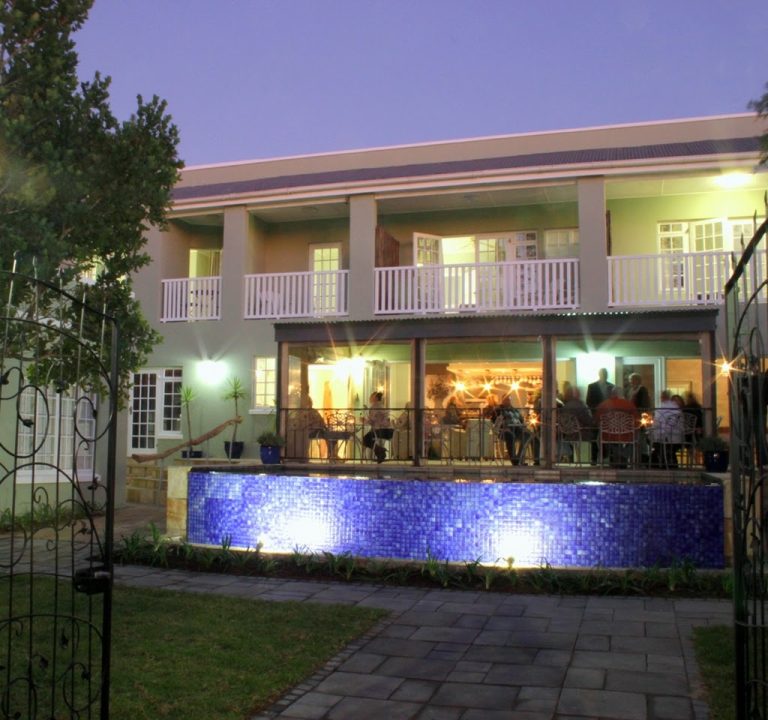
If you are considering a stay that blends comfort with easy access to the town’s character, a guest house such as HomeTree Guest House & Lodging offers a friendly, personal approach and a central base from which to explore. For more information, you can visit their website at HomeTree Guest House & Lodging.
In short, Gqeberha rewards attentive planning. By selecting an area that aligns with your itinerary, checking practical amenities, and balancing beach days with cultural stops, you can craft a well-rounded visit that fits your pace and preferences. Whether you are seeking a tranquil coastal retreat, a convenient city break, or a gateway to the Eastern Cape’s wildlife and landscapes, there are accommodation options and experiences to suit every traveller’s plan.