Accommodation and Things to Do in Gqeberha, Eastern Cape
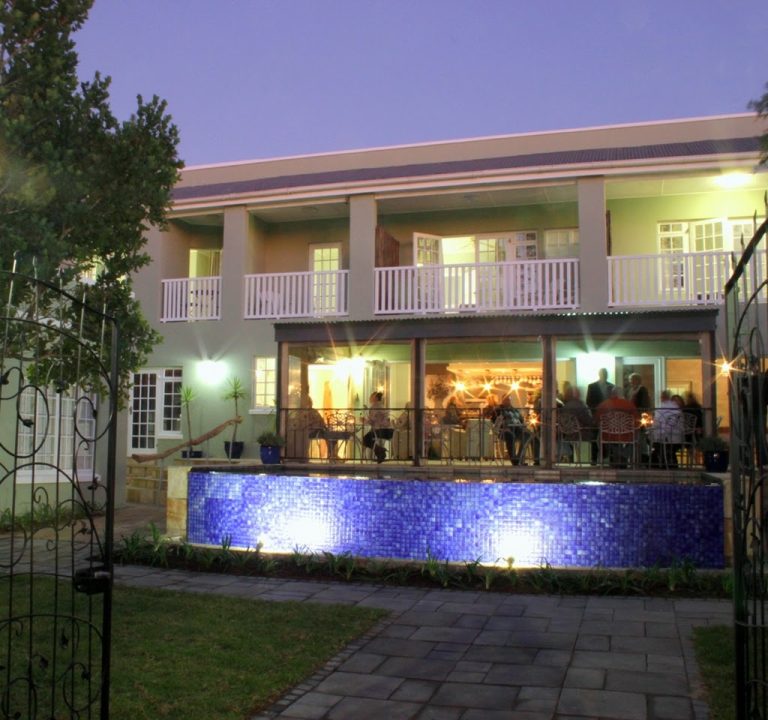
Gqeberha, known to many travellers as Port Elizabeth, offers a relaxed coastal blend of outdoor adventure, heritage and comfortable stays. The city is well suited to guests who want easy access to beaches, wildlife-rich day trips and a strollable harbourfront. Whether you favour a cosy guesthouse, a boutique hotel, or a self-contained apartment, you will find options that suit a range of budgets and itineraries. One example to consider for a friendly, guesthouse style stay is Buli Guesthouse, a local property that embodies approachable comfort and proximity to key areas.
Areas to consider when planning a stay include the beachfront neighbourhoods along the Golden Mile, the city’s historic Greenacres precinct, and the more residential suburbia near the airport and modern shopping hubs. If you want to be within easy reach of beach walks and bay views, look for properties near the promenade or the harbour. For a quieter, more residential feel with easy access to trails and parks, search in the middle and northern suburbs. When choosing accommodation, heed practical details such as parking availability, on-site breakfast options, and whether the property is walkable to shops and eateries.
Typical amenities that guests look for in Gqeberha include reliable Wi‑Fi, complimentary breakfast, secure parking, air conditioning or ceiling fans, and clean, airy rooms. Many guesthouses and boutique hotels offer generous communal spaces, outdoor seating or courtyards, and sometimes a small kitchenette or braai (barbecue) area. If you value sustainability, check whether the property provides recycling facilities or uses energy‑efficient lighting. For families, ask about family rooms or connected rooms; for solo travellers, a comfortable desk space and a sensible room layout can make a difference to your stay.
Transport in and around Gqeberha is straightforward, though planning helps. The city has a network of well-maintained roads, making self‑drive or hire car the most flexible option for day trips to nearby natural attractions and reserves. If you prefer not to drive, look for accommodation that offers airport transfers or has links with reputable local taxi firms. Public transport within the city centre is modest, so consider staying near your planned activities to minimise transit time. Many guesthouses and hotels can arrange tours or provide guidance on safe, scenic routes for walking or cycling by the waterfront and along the coast.
Best time to visit Gqeberha is shaped by the coastline and the surrounding reserves. Summers (roughly November to March) bring longer days, warmer sea conditions and more outdoor activities, including beaches and waterfront strolls. Winter (May to August) is milder and drier, with cooler evenings; it can be ideal for cultural events, museums and dining experiences, with the chance of a bracing sea breeze. If your focus is wildlife, plan a day trip to the nearby Addo Elephant National Park or other reserves, where the shoulder seasons often offer comfortable conditions and good wildlife sightings without peak crowds.
When planning a stay, consider including a mix of beaches, cultural then natural experiences. A day by the sea offers relaxed options such as a coastal walk, a beachside breakfast, or a sunset stroll along the harbourfront. For a taste of local life, seek out markets, surf shops, and seafood eateries that capture the regional flavour. If you are curious about the area’s heritage, you can explore short city-centre walks or guided tours that outline the city’s development and its harbour’s role in regional trade. Dining in Gqeberha ranges from casual cafés to more refined restaurants with a focus on seafood, local produce and modern South African flavours, typically offering menus that are easy to tailor for dietary needs and preference.
Booking tips to keep in mind:
- Book with a flexible rate where possible, especially if you are travelling during peak holiday periods.
- Check whether breakfast is included and whether there are options for guests with dietary requirements.
- Ask about parking arrangements, security features, and access to the property outside of reception hours.
- Request guidance on safe walking routes, nearby cafés and petrol stations for day trips.
- Read recent guest reviews to gauge consistency of service and cleanliness, noting any updates or refurbishments since the last posts.
Practical tips for a smooth stay include packing for changeable coastal weather, even in summer. Bring lightweight layers for cooler evenings, a sunhat and sunscreen for daytime beach and outdoor activities, and a small first‑aid kit for regional excursions. If you plan to visit wildlife reserves, carry a camera with enough storage, water, and a light snack for longer drives. For travellers who value a sense of place, choose accommodation that highlights local decor or furnishings and offers recommendations for nearby cultural experiences.
In summary, Gqeberha presents a versatile mix of comfortable stays, accessible beaches, and practical options for planning day trips to wildlife reserves and coastal towns. By selecting an area that aligns with your preferred pace—whether you want sea views and proximity to the harbour, or a quieter suburban base—you can tailor your visit to maximise both downtime and discovery. For more information on accommodation and ideas for your itinerary, consider visiting official tourism resources and the websites of your chosen guesthouse or hotel.