Accommodation and Attractions in Cape Town: Planning Your Stay on the Cape
Cape Town offers a wide range of places to stay, from stylish beachfront apartments and family-run guesthouses to contemporary hotels overlooking iconic scenery. When planning a visit, think about what kind of experience you want, how easy you’d like your daily transit to be, and the backdrop you want for your travel memories. The city’s diverse neighbourhoods each bring a distinctive flavour, so choosing the right area can shape your entire trip.
For a first-time visitor, it’s worth balancing accessibility with scenery. The city bowl and central surrounds provide a concentration of restaurants, markets, museums, and easy access to Table Mountain by cable car. The Atlantic Seaboard, including areas along Camps Bay and Clifton, offers glamorous beaches, gentle sea breezes, and high-end dining. If you’re drawn to wine and nature, the Constantia Valley and nearby winelands present serene rural scenery a short drive from the city centre. For those who want a classic beach-and-nature combination, Bloubergstrand gives panoramic views of the Table Mountain silhouette across the bay and is popular with water-sports enthusiasts.
When choosing accommodation, consider a few practical factors. Proximity to the sights you plan to explore most, easy access to public transport or reliable parking, and the availability of on-site facilities like Wi-Fi, self-catering kitchens, or a guest lounge can significantly impact your stay. If you’re looking for a nature-immersive base, you might seek lodges or homestays near conservation areas or coastal reserves, where you can enjoy quiet mornings and easy access to outdoor activities.
Typical amenities to look for include a well-equipped kitchen or kitchenette, heating or air conditioning, secure parking, daily housekeeping or regular cleaning service, and clear information about local transport options. A good property description should also note nearby groceries, cafés, and reliable Wi-Fi, which can be as important as room comfort for longer stays. If you’re visiting with family, check for family-friendly layouts, easy access in and out of the property, and safe neighbourhoods. For couples or solo travellers seeking a quiet escape, a ground-floor unit with outdoor seating or a balcony can be especially appealing.
Transport is a practical consideration in Cape Town. The MyCiTi bus network covers many tourist hotspots and is a convenient way to traverse the city centre to the southern suburbs. Self-drive offers flexibility for day trips to the Cape Peninsula or the Winelands, but you’ll also find ride-hailing apps practical for shorter hops. If you’re staying near the coast or in a quieter suburb, a vehicle can make beach days and scenic drives more convenient, while some accommodation providers organise transfers or offer bicycles for shorter trips.
The best time to visit Cape Town generally runs from spring to autumn, with mild to warm weather that is comfortable for outdoor activities. Spring (September to November) brings blooming gardens and shoulder-season crowds, while autumn (March to May) offers pleasant temperatures and quieter streets. Winter (June to August) is cooler and wetter, which can be ideal for indoor cultural pursuits and wining and dining, but it may require a little more planning for outdoor excursions. Summer (December to February) is lively and sunny, perfect for beach days and coastal walks, though popular areas can become busy.
When to book depends on your priorities. If you want coastal sea views and a glamorous vibe, you might opt for a property along the Atlantic Seaboard. If you want a lively, culture-rich base with easy access to markets and museums, the City Bowl and nearby districts are ideal. For nature lovers, staying near Blouberg or in a lodge-style setting near nature reserves can offer the best early-morning light and tranquil surroundings. Always read recent guest reviews to gauge how well a property balances comfort, cleanliness, and hospitality, and check whether hosts or managers provide local tips about must-visit viewpoints, safe walks, and dining choices.
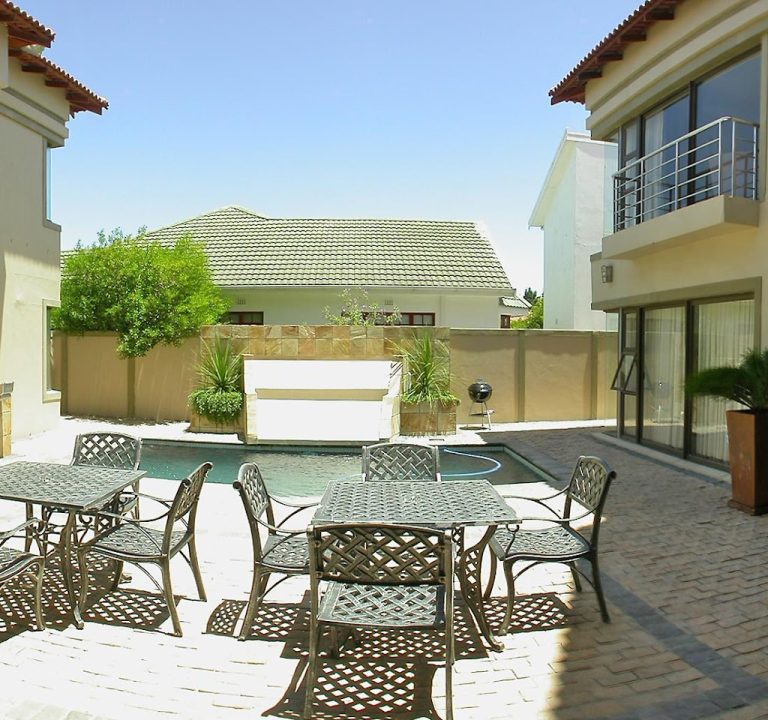
To illustrate the range of options, consider a stay such as a homestay on Blouberg Nature Reserve. Properties in this vein often blend a home-from-home atmosphere with direct access to coastal paths and striking sea views. They can offer a more personal feel while remaining well connected to Cape Town’s core attractions via short drives or public transport. For itineraries and planning inspiration, visit the property’s site for practical details, suggested routes, and nearby recreation ideas: Homestay on Blouberg Nature Reserve.
Attractions and experiences in Cape Town span natural beauty, culture, and gastronomy. Natural highlights include cruising along the peninsula to viewpoints, hiking Table Mountain or Lions Head, and visiting nature reserves and beaches that showcase the city’s setting between ocean and mountain. Cultural experiences might include museums, markets, and guided histories that explain the city’s diverse heritage. Dining in Cape Town ranges from casual eateries serving fresh seafood and local ingredients to chic restaurants with contemporary takes on South African favourites. In many areas you’ll find cafes with artisan coffee, vibrant street food scenes, and restaurants focused on seasonal produce and coastal flavours.
Planning tips in short form:
- Choose an area based on your interests: city culture, coastal beaches, or winery days.
- Look for properties with clear transport access and parking if you plan to explore by car.
- Read recent guest reviews for cleanliness and host responsiveness.
- Pack for variable weather; even in summer, coastal winds can be brisk.
- Balance outdoor activities with downtime to enjoy meals and local markets.
With thoughtful planning, your Cape Town stay can blend comfortable accommodation with access to unforgettable natural beauty and vibrant urban life. Whether you base yourself near the waves, the mountains, or the city’s cultural heart, you’ll discover a destination that invites both exploration and relaxation.