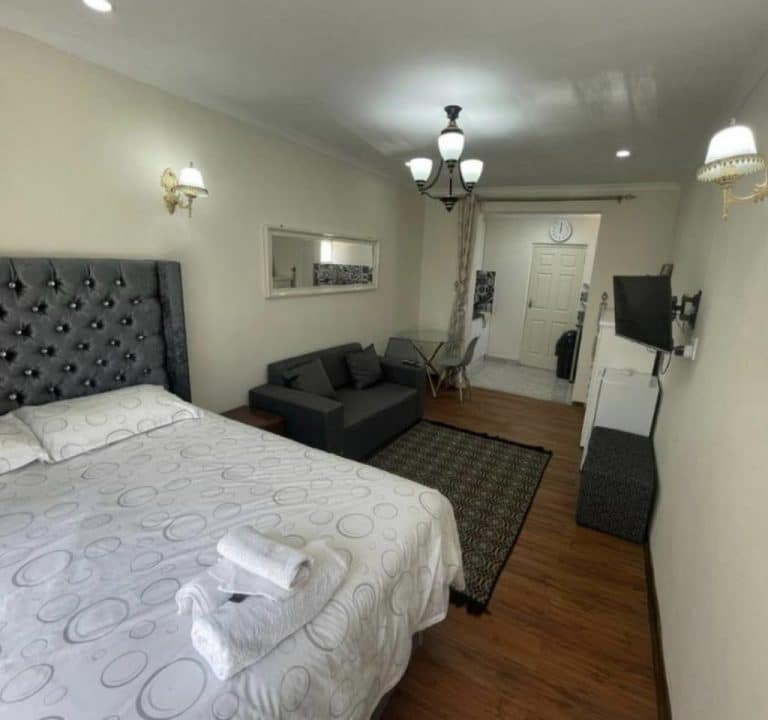
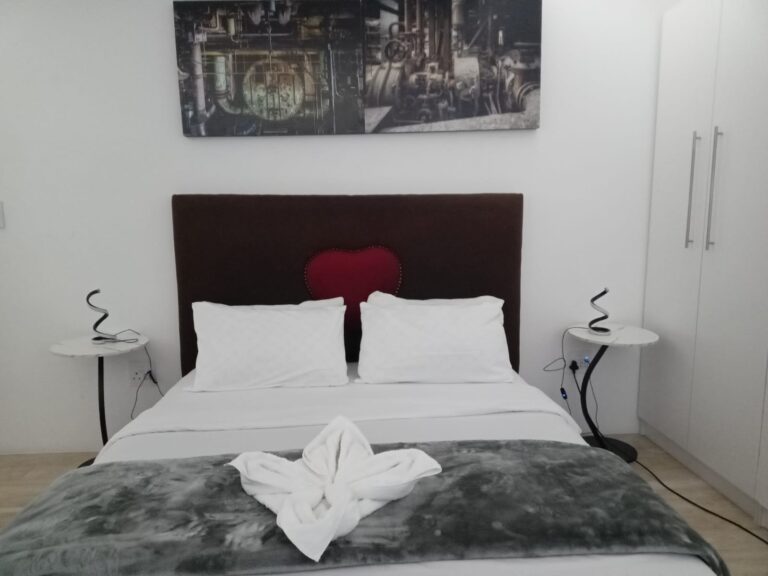
Cape Town: A guide to accommodation, neighbourhoods and essential experiences
Triumphantly perched between mountain and sea, Cape Town offers a wide range of places to stay that suit every travel style. From intimate guest houses with personalised service to modern apartments and stylish boutique hotels, the choice can feel overwhelming. The key is to pick a base that matches your planned activities, sleep needs and preferred pace, so you can enjoy the best that the region has to offer without long commutes from your door to the day’s highlights.
Neighbourhoods to consider include the cosmopolitan city centre and V&A Waterfront for easy access to city sights and evening dining, Green Point and Sea Point for a lively mix of eateries and a brisk sea breeze, and Camps Bay or Clifton for those seeking a beach-forward stay with spectacular views. If you favour tranquillity and wine country scenery, Constantia Valley provides leafy lanes, vineyard routes and a gentler pace, while Hout Bay offers a more laid-back coastal vibe. Each area has its own character, local cafés and convenient transport links to central attractions and the Garden Route further afield.
When booking accommodation, think about several practical factors. Room type matters: a compact room can be perfectly adequate if you’ll be out exploring from dawn until dusk, while a suite or apartment with a small kitchen might be ideal for longer stays or for families. Check whether breakfast is included, and if so, whether it is a continental option or a cooked meal; for self-catering stays, ensure the kitchen is well equipped. Confirm parking availability if you are driving, and consider walkable distances to cafés, shops and transit stops. If you rely on public transport, prioritise properties near MyCiTi bus routes or train stations, and verify whether the area is well lit and safe after dark.
Typical amenities to look for include reliable high-speed Wi‑Fi, air conditioning or efficient ceiling fans for Cape Town’s warm summers, a secure entry system, and a clean, well-maintained communal or outdoor space. A good guest house or boutique hotel will offer helpful local advice, maps, and perhaps curated recommendations for day trips and sunset experiences. A helpful host or front desk team can also arrange practicalities such as airport transfers, guided tours, or reliable private transport for visits to mountain trails, nature reserves and nearby coastal towns.
Transport options in Cape Town are varied. A car gives you maximum flexibility to explore beyond the city, but traffic and parking in peak periods can be challenging. Alternatives include the reliable MyCiTi bus network, Uber or ride-hailing apps, and organised tours for day trips to Cape Point, the Cape Winelands or scenic coastal towns. For those staying near the city bowl or the Atlantic seaboard, walking or cycling can be enjoyable and healthful ways to move between viewpoints, beaches and restaurants. If you plan to hike Table Mountain or explore the Cape Peninsula, check access notes and weather forecasts in advance, as conditions can change rapidly on the mountains and along the coast.
The best time to visit Cape Town depends on your preferences. Summer months (December to February) offer long days, warm sea temperatures and a lively social scene, perfect for beach days and outdoor dining. Spring (September to November) and autumn (March to May) bring milder weather and fewer crowds, often ideal for scenic walks, wine tastings in nearby vineyards and photography. Winter (June to August) can be cooler and windier, but it also brings rich theatre, museum events and a quieter pace in many visitor areas. Pack layers, a waterproof layer for the occasional coastal shower, and sun protection for bright days along the Atlantic seaboard.
- Plan a balanced itinerary that combines a city day with a nature or winery day.
- Book accommodation with flexible cancellation policies where possible, especially if your plans might shift with weather or seasonal changes.
- Prioritise safety by staying in well-lit areas after dark, securing valuables, and following local guidance on coastal conditions or wind advisories.
Top experiences in Cape Town are often straightforward to access from well-located stays. Natural beauty sits alongside urban culture, with a cable-car ride or hike offering Table Mountain’s panoramic vistas, a visit to the Cape’s historic Robben Island precinct, and trips to the South Peninsula’s dramatic viewpoints. Coastal towns and beaches provide opportunities for scenic walks, seafood dining and sunlit relaxation, while the Constantia wine route invites tranquil days among the vines. In terms of dining, Cape Town’s culinary scene is characterised by diverse, high-quality offerings—from contemporary eateries focused on seasonal produce to more casual spots by the harbour or in busy local neighbourhoods. You’ll find menus that celebrate Cape Malay flavours, fresh seafood and modern South African cuisine, with many venues offering outdoor seating to enjoy the city’s temperate climate.
A thoughtful traveller’s plan could start with a stay in a guest house or boutique hotel that embodies hospitality and a sense of place—perhaps with views or a short walk to a popular promenade—then layer in day trips by car or organised tours. If you are visiting a place with strong wine and mountain routes, a couple of quiet evenings in a comfortable, well-appointed guest house can be the ideal contrast to days spent outdoors. For South Cliff Guest House and similar properties, guests often value the combination of personalised service, comfortable rooms and convenient access to key areas, supplemented by local recommendations for dining and short excursions. In any case, Cape Town rewards travellers who balance leisure with a curious, respectful approach to exploring its landscapes, cuisines and cultures.