Durban, KwaZulu-Natal: where to stay and what to do
Durban offers a warm welcome, sparkling Indian Ocean beaches and a real sense of place that blends urban energy with Subtropical heritage. When planning a stay in Durban, consider a mix of neighbourhoods to balance beach access, dining, and culture. The promenade and golden beaches stretch along the stretch from Umhlanga to the Golden Mile, while inland pockets around Glenwood, Berea and Musgrave provide convenient access to shops, universities and leafy streets. For a more relaxed break, choose a self‑catering guest house or a B&B in central Durban or along the coast, with easy access to transport links for day trips and excursions.
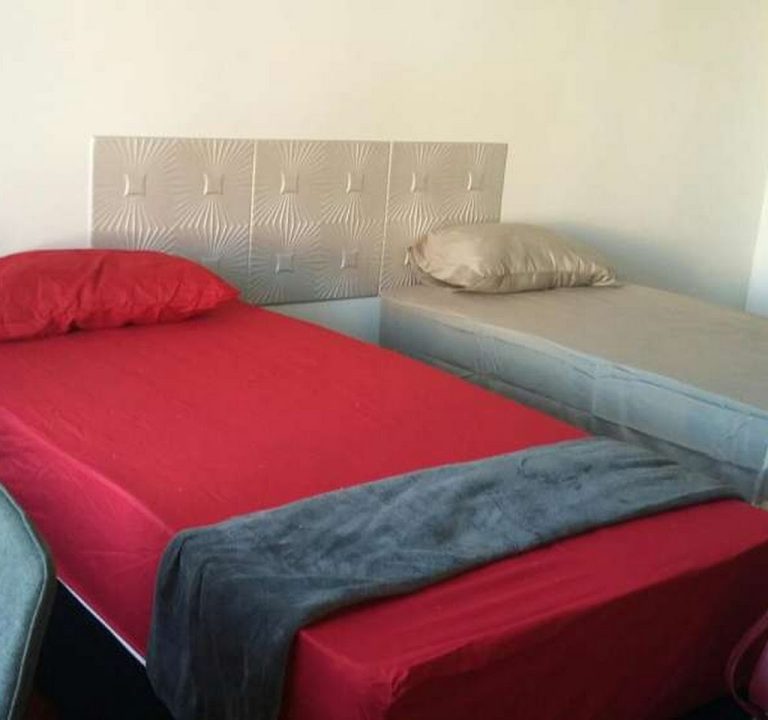
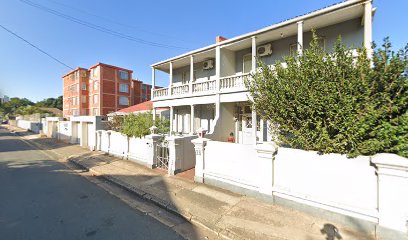
Accommodation options in Durban range from boutique guest houses and B&Bs to self‑catering apartments and smaller lodges. Many properties are geared towards traveller comfort, offering en suite bedrooms, housekeeping, secure parking and reliable Wi‑Fi. When booking, look for a clear description of room configurations, whether bathrooms are private or shared, and the availability of self‑catering facilities such as a kitchenette or a communal kitchen. Self‑catering options can be particularly convenient for families or longer stays, allowing you to prepare meals and enjoy a more flexible schedule.
Consider location carefully. If you want easy access to the seaside and a lively restaurant scene, a stay along the beachfront or in central Durban makes sense. For a calmer atmosphere and greener surroundings, look for guest houses in the northern suburbs around Umhlanga or the suburb of Morningside and Berea. Always check access to secure parking if you are driving, and confirm whether the property is within easy reach of public transport or ridesharing options for evenings out.
Typical amenities that travellers value include air conditioning or fans for Durban’s humid summers, reliable hot water, and well-equipped kitchens or kitchenettes. Laundry facilities, either in‑unit or on‑site, are a practical bonus for longer visits. Some lodges and guest houses offer communal lounges, outdoor spaces, or rooftop terraces with views of the city or sea. If safety is important, ask about 24‑hour reception, gated access, and security provisions. Accessibility features can also be a deciding factor for guests with mobility needs.
Transport in Durban is multispeed and convenience plays a huge part in a successful stay. The city is served by coastal routes, and a car provides maximum freedom for day trips to the Valley of a Thousand Hills, the King Shaka International Airport area, or inland attractions. For shorter hops, Uber, Bolt (formerly Taxify) and local taxi services are commonly used. If you plan to explore beyond Durban, consider combining a beach stay with a rural excursion to nearby hills, wildlife reserves or cultural villages. When planning outings, note that traffic can be heavier during peak commuting hours, so allowing extra time helps avoid rushing between sights.
Best time to visit Durban generally aligns with its warm, sunny climate. The summer season (roughly November to March) brings warmth and occasional tropical rain showers, making the coast lush and vibrant. Winter (June to August) is mild by many standards, with cooler evenings but still pleasant daytimes for city sightseeing. Coastal humidity is something to plan around, particularly for outdoor activities and beach days. If you are visiting for festivals, check the local calendar in advance, as Durban hosts a variety of cultural events, food markets and music themed nights that can enhance a stay.
When planning activities, Durban has wide appeal for both relaxation and discovery. Beach walks along the Golden Mile, swimming, or simply enjoying the sea breeze are a hallmark of a coastal stay. Cultural and family‑friendly options nearby include botanical gardens and marine life experiences, while urban explorations reveal a mix of markets, street art and vibrant dining scenes. For nature lovers, short excursions into the surrounding hills and valleys can provide a contrasting backdrop to long days at the shore. If you enjoy food, Durban’s dining scene offers a broad spectrum of flavours—from Indian‑influenced curries to coastal seafood dishes—often celebrating fresh local produce. For casual evenings, many neighbourhoods feature a range of informal eateries and family‑run diners that are popular with locals and visitors alike.
- Read recent guest reviews focusing on cleanliness, accurate listings, and the responsiveness of hosts or managers.
- Check whether your chosen stay offers the specific amenities you need (self‑catering facilities, laundry, parking, security).
- Ask about the nearest transport options and travel times to planned attractions or beaches.
- Consider the balance between beach proximity and peaceful surroundings based on your itinerary.
- Pack adaptable clothing for hot days and cooler evenings near the coast, plus sun protection and a light rain layer.
If you are planning to visit Durban, start by mapping a loose itinerary around a few key areas, reserving accommodation that keeps you close to your priorities—beach time, dining, or cultural experiences. A well‑located stay can reduce transit time and maximise enjoyment, leaving more room for exploring markets, enjoying local cuisine, and sampling subtropical landscapes. With careful planning, Durban can offer a relaxed, welcoming stay that blends seaside leisure with city sights, all within easy reach of the wider KwaZulu‑Natal region.