Accommodation and experiences in St Lucia, KwaZulu-Natal: planning your stay and enjoying the town
St Lucia in KwaZulu-Natal offers a relaxed base from which to explore one of South Africa’s premier wildlife and coastal landscapes. The town is a convenient hub for seekers of nature, birdlife and easy access to a world of experiences without the bustle of larger cities. For visitors looking for home comfort with a touch of adventure, there are a range of accommodation types to choose from, including self‑catering options, guesthouses, boutique hotels and lodges that cater to families, couples and solo travellers alike.
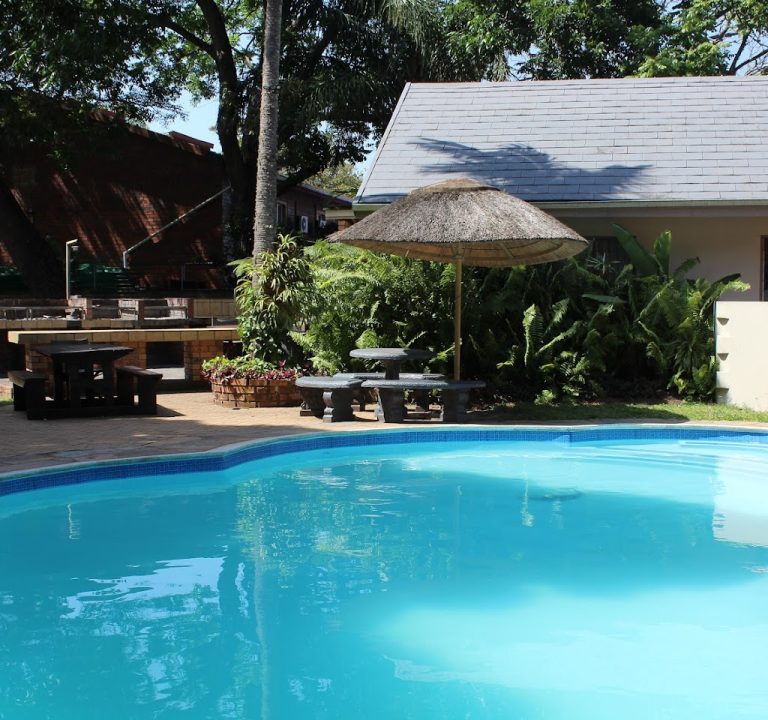
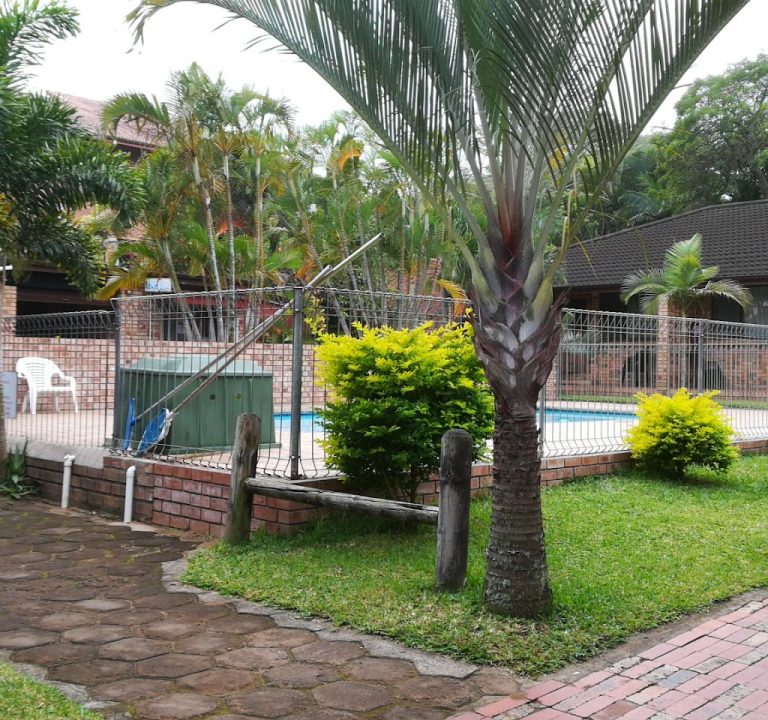
One example of the available options is Hippo Hideaway, a self‑catering accommodation that emphasises a practical, home-from-home approach. Self‑catering stays can be particularly convenient for families or groups who want flexibility with meals and schedules, while still providing easy access to local attractions and activities. When researching stays, look for well‑equipped kitchens or kitchenettes, comfortable living spaces, and outdoor areas such as patios or decks that take advantage of the tropical climate.
Where to stay matters as you plan your itinerary. The town centre puts you within easy reach of shops, bakeries and eateries, while quieter lodges and guesthouses along the river or near the park entrances offer a more secluded atmosphere and often better opportunities for wildlife viewing from your doorstep or balcony. If you prefer more rural scenery, consider locations a short drive from the town that offer larger plots, gardens, or direct access to natural habitats. Transport links are important: a car is usually the most convenient way to explore the region, while some guesthouses can arrange guided tours or transfers to the park gates, boat tours on the estuary, or other day trips.
Typical amenities across accommodation types in St Lucia include air‑conditioning, reliable Wi‑Fi, laundry facilities, comfortable bedding and private or shared outdoor spaces. Self‑catering units, like Hippo Hideaway, often feature full kitchens, dining areas, and outdoor braai (barbecue) spaces, which are popular for evening meals after a day out in the sun. Guesthouses and boutique hotels may offer daily housekeeping, on‑site dining options, swimming pools, and lounge areas. When booking, check for security features such as well‑lit parking, night reception or staff on site, as well as access to a trusted contact for local recommendations and safety guidance.
In terms of location, you’ll want to balance proximity to the town centre with access to nature and activities. The iSimangaliso Wetland Park, a UNESCO World Heritage Site, sits just beyond St Lucia and is the core draw for many visitors. The park encompasses lake, estuary, mangroves and coastal dunes, offering wildlife sightings from hippos and crocodiles in the water to a diverse birdlife on the wetlands. Plan to set aside time for a guided safari drive or a boat cruise to experience boat‑based wildlife viewing, and consider a nature walk along well‑marked trails that suit your fitness level. While not every day will be spent in the park, many visitors find the surrounding rivers and lagoons to be equally rewarding for quiet viewing from a wildlife‑watching hide or a riverside seat at sunset.
Restaurants and dining in St Lucia tend to reflect local flavours with seafood, African dishes and casual dining as common themes. Expect relaxed, family‑friendly venues that prioritise fresh, local ingredients and straightforward menus. If you’re staying in self‑catering accommodation, you’ll also find a handful of cafés and small eateries within walking distance in the town, plus options to stock up on groceries and fresh produce for self‑catering days. When planning meals out, consider booking ahead for peak periods, especially during school holidays or weekends when the town can be busier and popular spots fill quickly.
Practical planning tips to help you make the most of your stay:
- Best time to visit: The region enjoys a warm climate most of the year. The dry season can be particularly pleasant for safaris and wildlife viewing, while the wet season brings lush scenery and migratory birds. Whale watching and turtle activity are seasonal and vary by year; check local visitor information closer to your trip.
- Transport: A car offers the greatest flexibility to explore both the town and the wider region. If you prefer not to drive, many accommodation providers can arrange transfers or guided day trips to key sites, including park gates and boat safaris.
- Booking tips: Read recent guest reviews for insights into cleanliness, location, and host responsiveness. Confirm what the property provides in terms of amenities (linens, towels, kitchen equipment) and any shared facilities (pool, laundry, communal barbecue areas).
- Safety and comfort: In wildlife areas, follow local guidelines and heed advice from hosts or guides about staying safe in and around water and wildlife habitats. Pack sun protection, insect repellent, and a light rain layer for sudden showers.
- Planning flexibility: Build in a couple of longer, slower days to enjoy your base—whether that means a morning stroll by the estuary, a lazy afternoon on a verandah, or a birdwatching session from your accommodation’s doorstep.
Beyond the town, consider day trips to coastal beaches, sand‑dunes, or the broader parklands, depending on the season and tides. Local operators often offer guided experiences that align with your interests, whether you’re keen on birdlife photography, boat cruises, or simply learning more about the local ecosystem and communities. For inspiration and practical planning resources, consult official tourism pages and reserve notes from the iSimangaliso Wetland Park and regional visitor information sites.