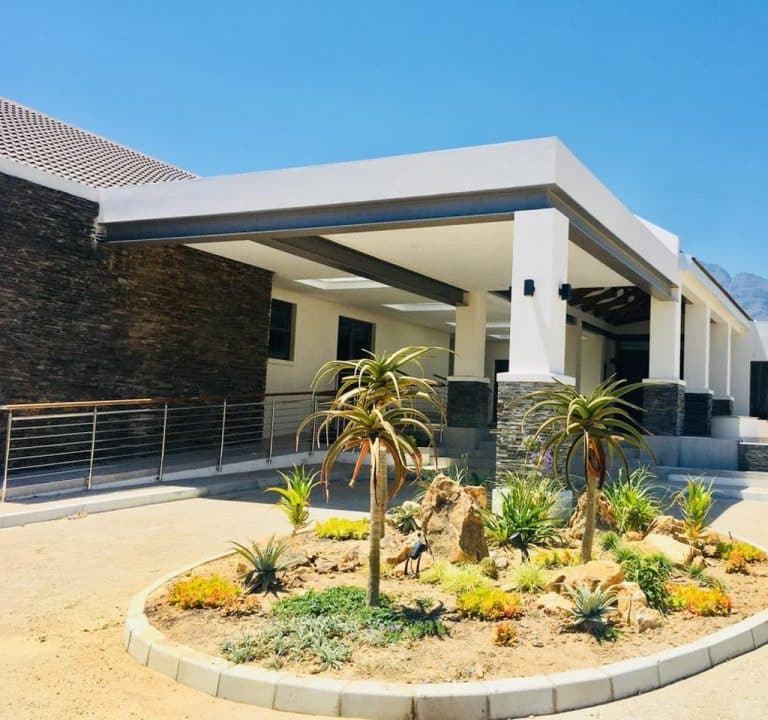
Stellenbosch: Accommodation and Things to Do in the Western Cape
Stellenbosch in the Western Cape is renowned for its graceful Cape Dutch architecture, leafy streets and a renowned wine culture that extends beyond the town’s borders. When planning a stay, travellers typically choose between historic inns clustered along Dorp Street, modern boutique hotels on the outskirts, and country-style lodges perched above the valley. For visitors seeking a comfortable base that is easy to navigate, a mix of central stay with day trips into surrounding vineyards makes for a balanced itinerary.
Accommodation in Stellenbosch ranges from intimate guesthouses and boutique B&Bs to full-service hotels and family-run lodges. In the central area, guests enjoy short strolls to cafés, wine-tasting venues, and museums, while out in the Devon Valley and surrounding wine routes, properties often offer spectacular panoramic views and access to vineyard walks. A notable option for visitors seeking a well-appointed stay with a sense of history is a boutique hotel such as Hillfarm House, which blends modern conveniences with period charm. Whether you prioritise proximity to the town centre or a quieter countryside setting, there are choices to suit a range of budgets and travel styles.
When considering where to stay, look for a property that offers easy access to the town’s main sights, as well as reliable transport links for day trips. Many travellers favour places with on-site parking, a guest lounge, and a served breakfast, as these features simplify planning for mornings of vineyard visits and museum tours. If you’re planning to explore multiple wine estates, a central location with a compact walking radius to eateries and a reliable shuttle or car hire option can be very convenient. Some properties also provide curated recommendations for local cycling or walking routes and seasonal seasonal markets, which can enrich the stay beyond standard sightseeing.
Facilities commonly found in Stellenbosch lodgings include well-equipped en-suite bathrooms, free Wi‑Fi, and pleasant communal spaces. A growing number of properties offer guest-facing experiences such as wine tastings, food-and-wine pairing evenings, or guided town walks. For families, look for rooms with separate sleeping areas, child-friendly menus at on-site restaurants, and easy access to parks and beaches within a short drive. If you have mobility considerations, check for step-free access, lift availability, and the proximity of parking to your room.
Transport in Stellenbosch is straightforward. The town is well-served by roads from Cape Town, and many visitors arrive by road or rail before renting a car for the countryside portion of their trip. Within town, compact streets are easy to navigate on foot or by bicycle, and rideshare services are generally available. If you plan to visit nearby winelands, see whether your accommodation offers shuttle arrangements or can help you pre-book a wine-tasting route. Remember that the countryside can be hilly, so selecting a property with comfortably accessible entrances and sufficient parking is worth considering if you will drive yourself.
Best time to visit Stellenbosch is dictated by the climate and the seasonality of wine harvests. Spring (September to November) brings fresh greenery and flowering jacarandas, while autumn (March to May) offers pleasant daytime temperatures that are ideal for vineyard visits. Summer is warm and busy with outdoor dining, markets, and wine routes, but it can be busier and more crowded around popular attractions. Winter is cooler and relatively quiet, with opportunities to enjoy cosy lounges and fireside moments in boutique properties. Pack layers for fluctuating temperatures, comfortable walking shoes for town strolling and vineyard tours, and a light rain jacket if you are visiting during the shoulder seasons.
In terms of attractions, Stellenbosch provides a graceful blend of culture, history and natural beauty. Visitors often begin with a stroll through the university town’s historic centre, sampling café culture and viewing local galleries. Day trips to nearby wine estates are a highlight for many guests, offering guided tastings and tours through vineyards and cellars in a serene landscape. Outdoor enthusiasts may enjoy scenic trails and viewpoints in surrounding hills, while food lovers can seek out markets and dining rooms that showcase regional produce without focusing on a single brand or price point. Museums and heritage sites offer insights into the region’s development and the enduring influence of wine farming on daily life.
Eating out in Stellenbosch tends to feature diverse menus that highlight seasonal produce, Mediterranean-inspired dishes, and contemporary South African flavours. Restaurants and bistros often place a strong emphasis on wine pairing, using local vintages to complement modern cooking. When planning dining, consider reservations, particularly in peak season, and explore a mix of established establishments and smaller, newer venues to experience a range of textures and styles. If you are staying in a property with an on-site or partner restaurant, you may benefit from special-tasting menus or seasonal set lunch options.
Practical tips for a smooth stay:
- Book well in advance for peak seasons, especially if you favour central locations or popular wine routes.
- Compare bed configurations and whether breakfast is included, as this can influence daily plans and costs.
- Check accessibility features if needed, including parking proximity and lift access.
- Look for properties offering curated local experiences or guest-only recommendations for trails and wine-tastings.
- Consider combining a town stay with a couple of countryside nights to balance activity and relaxation.
To start planning, explore Stellenbosch Tourism initiatives and individual property pages for up-to-date information on available dates, packages, and in-house amenities. For a representative base with easy access to both historic streets and the surrounding wine estates, you might consider a well-appointed hotel in the central area, with day trips arranged to nearby estates or nature reserves. More information can be found through official visitor guides and travel resources that profile accommodation, dining, and happenings across the region: Stellenbosch Tourism.