Accommodating Stellenbosch: Where to stay and what to do in the Western Cape
Stellenbosch is renowned for its red-brick Cape Dutch architecture, tree-lined avenues and a landscape that blends university energy with wine country calm. When planning a stay, travellers should consider areas that suit their pace: the historic centre for strolling and dining, the valley floor for vineyard views, or quieter neighbourhoods along the slopes of the Helderberg for easy access to nature trails. A well-rounded visit often combines a comfortable base with day trips to nearby estates, farms and historic landmarks.
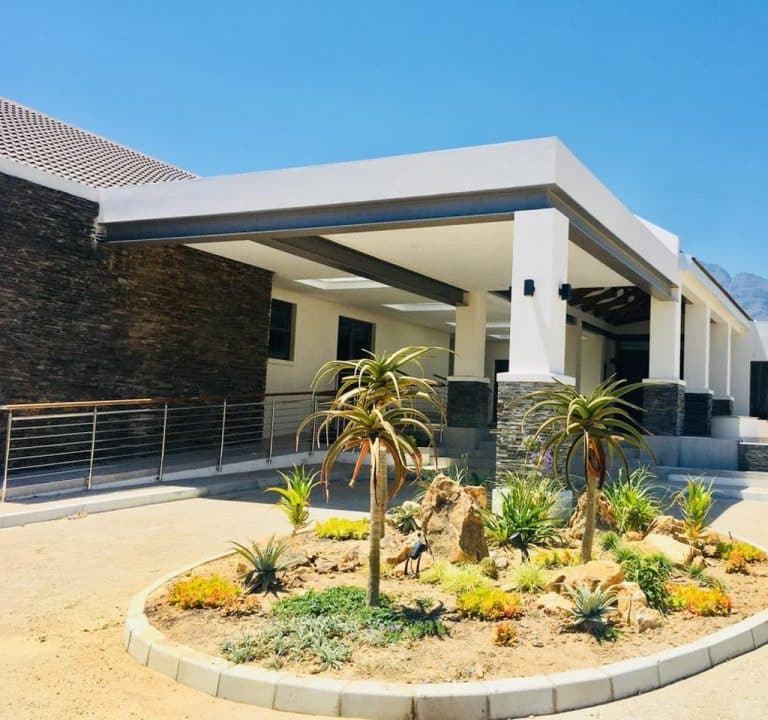
Accommodation options in Stellenbosch range from boutique guesthouses and modern hotels to country lodges on or near working wine estates. Think well-appointed bedrooms with fluffy towels, efficient daily housekeeping, and thoughtful touches such as coffee stations,〕 secure parking and complimentary Wi‑Fi. In larger hotels you may find facilities like gyms, swimming pools, on-site restaurants and conference spaces, while smaller guesthouses emphasise personalised service, freshly prepared breakfasts and intimate courtyards. For a more luxurious stay, several properties offer serene gardens, spa treatments and wine-tasting rooms within easy reach of the centre.
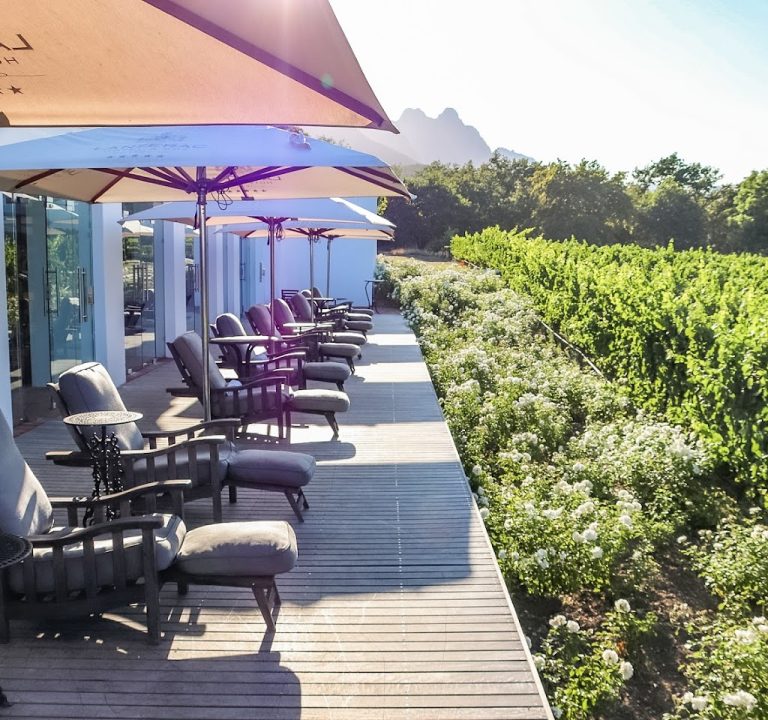
When selecting where to stay, consider proximity to the town’s main drag, Dorp Street and Church Street, where many guesthouses and boutique hotels have easy access to cafés, bookshops and museums. If you prefer scenic views and longer walks, look for options along the slopes leading to the Stellenbosch Mountains or on vineyard lanes that offer sunrise colours over the vines. For a family trip, a property with larger suites, a pool and a kitchenette can simplify meal planning and provide a relaxing base after day trips.
Typical amenities to look for include: a comfortable bed with quality linens, climate control, a well-appointed ensuite, reliable Wi‑Fi, and convenient parking. Breakfast included or available as a light service can save time during busy mornings. Some properties offer cooked breakfasts, afternoon treats, or evening wine tastings. If you are a foodie or a wine enthusiast, consider accommodations that partner with local estates or have an on-site restaurant or bar with a curated showcases of regional products. Accessibility features, laundry services and in-room storage can be valuable for longer stays.
Transport in Stellenbosch is straightforward but planning helps. The town is walkable in the centre, with charming routes between historic streets, courtyards and markets. A car provides the most flexibility for exploring the wider Winelands, with many vineyards and nature reserves about a 15–30 minute drive away. If you prefer not to drive, look for a centrally located base that can arrange driver services or makes use of reliable ride-hailing options. Parking availability at your accommodation is worth confirming, particularly for peak-season visits when streets can be busier than usual.
The best time to visit Stellenbosch depends on your interests. In late summer (January to March) the vineyards are lush and harvest activity is underway, offering a vibrant atmosphere and favourable weather for outdoor dining. Autumn (April to May) brings cooler days and russet-coloured vines, ideal for leisurely winery tours. Winter (June to August) is quiet and typically mild, with fewer crowds and cosy indoor experiences. Spring (September to November) sees fresh bloom and milder temperatures, a pleasant period for walking tours and alfresco meals. Remember that evenings can be cooler, so packing a light jacket is sensible year-round.
Attractions and experiences in the area complement a relaxed stay. In town, you can explore historical architecture, markets and galleries, or embark on guided walking tours that reveal the stories behind the town’s university, churches and colonial-era buildings. The nearby Winelands offer a spectrum of wine estates with tastings and restaurant experiences, many housed within striking vineyard settings. For a flavour of the outdoors, you’ll find nature reserves and gentle hikes that lead to panoramic views of the valley and mountains. Culture and cuisine flow together in Stellenbosch, with a range of bistros, bakeries and contemporary eateries that highlight regional ingredients and seasonal flavours.
For visitors seeking a longer itinerary, neighbouring towns and routes present additional appeal. A drive or organised tour can take in Stellenbosch’s famous red wine routes, historic farms, and scenic byways through the countryside. Some guests enjoy markets offering local crafts, preserved foods and seasonal delicacies, providing a sense of place beyond the winery doors. If you prefer guided knowledge, look for experiences that offer cellar tours, food-and-wine pairing sessions, or tastings that explain the region’s winemaking heritage without being tied to a single estate.
When budgeting and planning, consider whether you want a self-contained stay or a hotel with on-site dining and spa facilities. If you prioritise wellness, ask about spa packages, fitness classes or poolside amenities. For a more intimate experience, boutique guesthouses often include personal hosts who share recommendations for day trips, mountain hikes, or hidden courtyards ideal for quiet afternoons.
Practical tip: book accommodations that provide clear cancellation policies and transparent pricing, especially if you are travelling during peak holidays or festival periods. Check the property’s approach to housekeeping schedules, security and guest access, and whether complimentary breakfast or parking is included. Finally, for a direct overview of accommodation options, you may visit dedicated hotel groups or individual properties such as African Leisure Hotel Stellenbosch at their website.
- Expect a blend of historic charm and modern comfort in central Stellenbosch
- Choose a base with easy access to wine estates, markets and museums
- Plan day trips to explore the Winelands and surrounding nature reserves