Cape Town: Accommodation and Visitor Guide for a Memorable Stay
Cape Town is a city of exceptional contrasts, where mountain scenery meets coastal charm and vibrant neighbourhoods offer a welcoming home-from-home for travellers. Whether you prefer a cosy guest house tucked into a tree-lined street, a modern hotel with sea views, or a boutique lodge upriver in the Bellville or Constantia areas, planning your stay around your interests will help you make the most of your time in the Western Cape. This guide offers practical tips on where to stay, what to look for when booking, the typical amenities you can expect, transport options, the best time to visit, and practical planning ideas.
When choosing an area, consider access to the main sights and the pace you want. The Atlantic Seaboard (with areas such as Sea Point and Camps Bay) is ideal for ocean views and easy access to beaches, while the City Bowl offers convenient proximity to museums, markets, and dining. Constantia and Tokai are popular for green spaces and wine-tasting within a short drive of the city centre. If you’re seeking a quieter stay with easy access to nature, Hout Bay or Simon’s Town on the Atlantic fringe provide a more relaxed vibe. For those who prefer a central base with excellent public transport links, a well-positioned serviced apartment or guest house in Green Point or Gardens can be a practical choice.
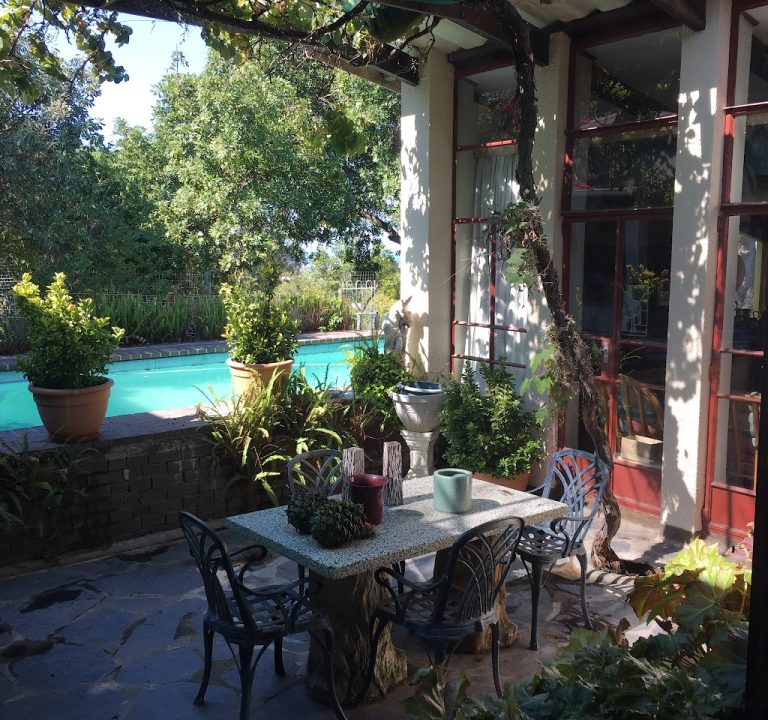
Typical accommodation types range from guest houses and boutique B&Bs to modern hotels and self-catering apartments. In Cape Town, you’ll often find rooms or suites that include breakfast, and many properties offer secure parking, Wi‑Fi, and daily housekeeping. Some guest houses and lodges provide shared lounges, outdoor terraces, or small plunge pools, while higher-end hotels may offer on-site dining, fitness facilities, and concierge services. When you book, check the inclusions carefully—whether breakfast is continental or full, whether airport transfers are available, and what the cancellation policy looks like in case of changeable travel plans.
Key amenities to prioritise include reliable Wi‑Fi, on-site parking or easy access to safe public transport, air conditioning or heating for the seasons, and clear information about nearby walkable routes or public transport links. Look for properties that can arrange or advise on short trips to attractions and experiences, such as guided walks, wine-tasting outings, or harbour cruises. If you are travelling with family or a group, enquire about multi-bedroom options, kitchen facilities, and flexible seating arrangements. For sustainability-minded travellers, some guest houses and lodges showcase energy-saving features, water conservation efforts, and locally sourced materials.
Transport in Cape Town is well supported by buses, ride-hailing services, and car hire. The MyCiTi bus network can be convenient for travel between major areas, while a car provides the freedom to explore the Cape Peninsula and nearby winelands at your own pace. If you plan to drive along the coast or into the suburbs, check whether your accommodation offers parking and whether it is on-street or secure off-street. Walking and cycling are enjoyable options in safer, pedestrian-friendly zones, especially in the City Centre and the Atlantic Seaboard during daylight hours. For trips to scenic viewpoints or beaches outside central areas, a guided tour or organised excursion can be a stress-free alternative.
The best time to visit Cape Town is influenced by weather, events, and marine life. Spring and autumn generally offer mild temperatures and fewer crowds, making it pleasant for city sightseeing and vineyard visits. Summer (November to February) brings warmer days and the possibility of peak crowds and higher rates, particularly around holiday periods. Winter (June to August) is cooler and wetter, but the city remains lively with cosy dining spots and indoor cultural attractions. Always plan for variable conditions, especially on the coast, where wind and rapidly changing skies can affect outdoor plans.
When planning daily itineraries, balance iconic sights with the neighbourhood pace. For example, a morning ascent up Table Mountain or a cable-car ride followed by a stroll along the V&A Waterfront can be complemented by an afternoon at a local market or a family-friendly garden. Dining experiences in Cape Town span casual cafés to fine dining and multicultural eateries; many offer seasonal menus and emphasis on fresh, local ingredients. If you enjoy seafood, try coastal venues that specialise in catch-of-the-day dishes, or explore a neighbourhood with a strong street-food and bistro scene. For longer stays, consider day trips to nearby nature reserves, the Cape Peninsula scenic route, or the Constantia wine route to sample world-class wines and countryside produce.
- Consider staying in the City Bowl, Green Point, or the Atlantic Seaboard for central access to sights and dining.
- Look for accommodations with clear guest information on neighbourhood safety, transport options, and nearby services.
- Check for flexible cancellation policies and the availability of breakfast or kitchen facilities.
- Plan a mix of paid attractions and free or low-cost experiences to manage your budget.
As a practical example of a guest house option, Helderbos Bed and Breakfast offers a welcoming stay in a residential setting, with the convenience of a website that provides booking information and details about the property. For more ideas and direct information, you can visit the guest house’s website at helderbos.co.za.