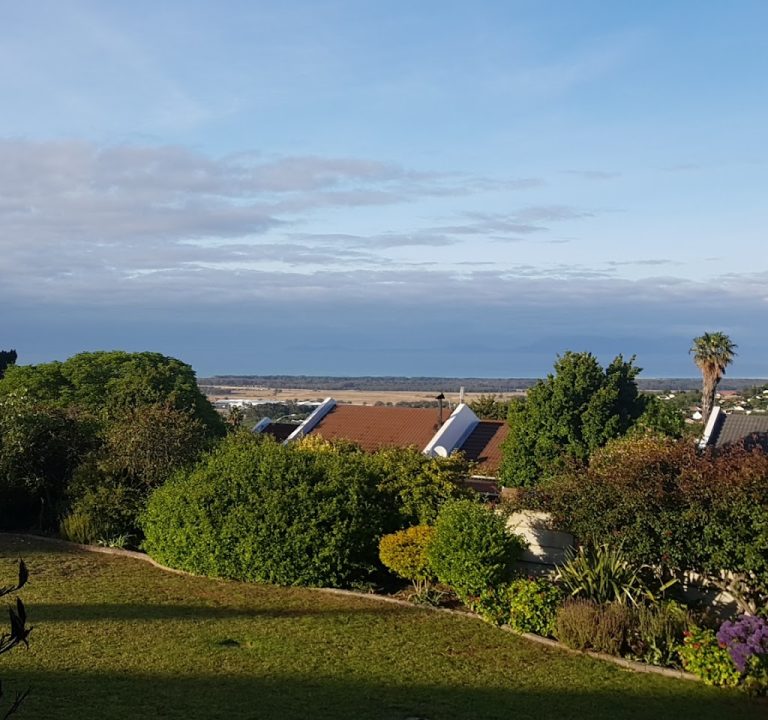
Accommodation and experiences in Cape Town: planning your stay and making the most of the city
Cape Town offers a diverse range of places to stay, from intimate guest houses and B&Bs to modern hotels and self‑catering flats. When planning your visit, consider the areas that best fit your interests and pace, as this will influence your daily routines, transport needs, and how you experience the city’s iconic settings. Whether you seek coastal views, easy access to mountain trails, or a central base close to museums and historic neighbourhoods, you’ll find options that suit different budgets and travel styles.
Areas to consider
- City Bowl and the central areas provide a compact base for sightseeing, with easy access to museums, theatres, and markets. Staying here often means shorter walks or rides to attractions and a lively restaurant scene.
- Atlantic Seaboard, including neighbourhoods with views of the Atlantic Ocean, offers stylish stays near beaches, promenades, and trendy eateries. This area is well suited to visitors who want a mix of relaxation and convenient dining.
- Constantia and surrounding valleys provide a quieter, wine‑country feel, with guest houses and self‑catering options that make it easy to combine city activities with day trips to vineyards and nature trails.
- Bo‑Kaap and Green Point offer characterful stays with vibrant cultural atmospheres, close to parks, markets, and coastal walking paths.
What to look for when booking
- Room configuration and privacy: note whether you’ll have a private entrance, an en‑suite bathroom, and dedicated lounge areas if you’re staying in a self‑catering or guest house setting.
- Access to transport: check distance to reliable public transport like MyCiTi buses, proximity to major roads, and whether there is secure on‑site parking if you plan to hire a car.
- Facilities and amenities: common essentials include reliable Wi‑Fi, heating or air conditioning, kitchen facilities, and secure storage for luggage or outdoor gear.
- House rules and check‑in arrangements: confirm flexibility for early or late check‑in, and whether self‑check‑in is available if your plans are fluid.
- Cancellation policy and value: understand what's included in the rate (breakfast, housekeeping, use of shared spaces) and how changes to travel plans are managed.
Typical amenities and practical tips
Many properties catering to travellers in Cape Town offer a thoughtful assortment of amenities designed for comfort and convenience. Look for private or shared lounge spaces, a well‑equipped kitchenette or breakfast options, secure parking, and clear instructions for accessing local transport hubs. A well‑located guest house or self‑catering apartment will provide information on nearby super‑markets, cafés, and trailheads, helping you to plan days with confidence.
Transport and getting around
Cape Town is best explored with a flexible approach. Public transport in central areas is generally reliable for city sights, while a car gives you the freedom to reach beaches, viewpoints, and wine country at your own pace. If you are not keen on driving, consider alternatives such as guided day trips, hop‑on hop‑off services, or rideshare options. When staying near the Atlantic coast, coastal roads can be busy in peak season, so early start times can help you beat crowds and find parking more easily.
Best time to visit
Spring (September to November) and autumn (March to May) offer pleasant weather for outdoor activities and sightseeing, with fewer crowds than peak summer. Summer (November to February) brings longer days and vibrant outdoor markets, but popular viewpoints can fill up quickly and beaches may be busy. Winter (June to August) is cooler and drier in the Cape Town region, which can be a good time for city tours, museum visits, and indoor dining experiences. Always check local forecasts and plan outdoor activities with a flexible mindset, as weather patterns can shift quickly in coastal areas.
Attractions and experiences to keep in mind
Cape Town’s natural beauty and historic charm make for varied itineraries. Iconic landscapes include famous plateaus and viewpoints, coastal drives around the peninsula, and access to nature reserves. Cultural experiences range from historic neighbourhood walks to contemporary galleries and markets. For a memorable visit, balance outdoor adventures with family‑friendly or relaxed city days, allowing time to unwind at a café with a view or a short stroll along a harbour or promenade.
Restaurants and casual dining
Across the city, expect a mix of casual eateries, coffee spots, and family‑friendly venues alongside more refined dining options. Many areas offer breakfast and brunch spots that pair well with morning coastal strolls, while evenings may feature chef‑led menus or informal bistros with dishes inspired by the region’s heritage. When booking, consider proximity to your accommodation and the possibility of pre‑booking tables during peak periods.
Practical planning notes
- Book accommodation with a clear cancellation policy, especially during peak travel periods.
- Check the proximity to your planned activities and the availability of easy routes back to your base after a long day.
- Consider a mix of indoor and outdoor days to optimise weather conditions and scenery.
- Look for properties with clear guest information and local tips to enrich your stay.
For inspiration and planning resources, you can explore official tourism sites and trusted travel guides to get a sense of current trends, seasonal events, and practical logistics. Cape Town is a destination that rewards thoughtful planning, a little flexibility, and a willingness to step beyond the typical tourist routes to discover its coastal charm, mountain vistas, and welcoming communities. A well‑chosen home base will help you balance adventure with rest, making the most of your time in the Western Cape.