Johannesburg: Where to stay, what to expect, and how to plan your visit
Johannesburg, often simply called Jo’burg or Jozi, offers a dynamic mix of urban culture, modern comforts and easy access to the wider Gauteng region. For visitors seeking indoor lodging that blends convenience with character, the city provides a wide range of options—from stylish boutique stays in bustling urban districts to more understated guesthouses in leafy neighbourhoods. When planning a stay, consider how you want to move around, what you want to see, and how much time you have to soak up the city’s energy.
Accommodation options in Johannesburg span intimate guesthouses, contemporary hotels, and self-contained apartments. In central and northern districts, you’ll typically find properties that prioritise security, accessibility to business hubs, and proximity to nightlife, dining, and arts venues. In the northern suburbs and green belt areas, expect calmer streets, larger rooms, parking, and a slower pace—ideal for travellers who value privacy and a longer, more relaxed stay. If you’re travelling with family or a small group, consider serviced apartments or a boutique guesthouse with ensuite bathrooms, a kitchenette, and a communal lounge. For business trips, look for properties offering reliable Wi‑Fi, work desks, good security, and easy access to the Gauteng highway network or the Gautrain stations.
Key areas to weigh when booking include:
- Sandton: The business heart with high-end hotels, shopping centres and transport links; convenient for meetings and easy access to the northern suburbs.
- Rosebank and Melville: Lively, with a mix of dining options, cafés and markets; typically well connected to public transport and close to the city centre.
- Braamfontein and Newtown: Cultural and nightlife hubs, near museums, theatres and urban galleries; great for travellers who want buzz and walkability.
- Bedfordview and Edenvale: Quieter residential areas with comfortable lodgings and parking, suitable for longer stays or families.
- Parkhurst and Ferndale: Foodie-friendly neighbourhoods with boutique stays and easy access to parks and cafés.
When choosing a property, consider the following typical amenities and features:
- Secure parking or easy street access for guests with a car
- 24/7 reception or on-site management for peace of mind
- Complimentary breakfast, private dining options, or a communal kitchen
- Free Wi‑Fi, dedicated workspaces, and charging facilities in rooms
- Air conditioning or heating, especially important for seasonal heat or chilly evenings
- En-suite bathrooms, toiletries, and clean, well-maintained bedding
- Laundry facilities or access to a laundry service for longer stays
Transport is a practical consideration in Johannesburg. The city’s layout means car hire or rideshare is convenient in most areas, but public transport options, including the Gautrain, provide fast connections to nearby suburbs and to Pretoria. If you’ll rely on trains and buses, check the property’s proximity to a station or stop and whether the local precinct has pedestrian-friendly routes after dark. Safety is important; read recent guest reviews about security, street lighting, and access to reliable taxi or rideshare options late in the evening.
Best time to visit Johannesburg depends on your plans. The city experiences a warm, dry season in the South African summer, with rain more common in the late afternoon during certain months. Winter is generally mild but can be chilly after sunset, so pack a light jacket. If your visit centres on outdoor markets, parks, or day trips to nearby locations such as the Cradle of Humankind or the Magaliesberg, aim for spring or autumn when daytime temperatures are comfortable and the city feels vibrant with events and activities.
Practical tips to make the most of your stay:
- Book with a property that has good security measures and clear guidance on neighbourhood safety.
- Read recent guest reviews to understand noise levels, check-in processes, and how the host supports local sightseeing.
- Confirm how you will receive arrival information, including how keys are issued and where you can access common areas.
- Plan your daily itinerary with realistic travel times, allowing for peak traffic patterns—Johannesburg’s roads can be busy during weekday mornings and late afternoons.
- Try to sample a mix of neighbourhoods: from urban, art-forward districts to calmer residential streets, to gain a fuller sense of the city’s diversity.
Nearby attractions and experiences are wide-ranging, from broad cultural offerings to green spaces and markets. You’ll encounter museums and galleries that celebrate South African history and contemporary artistry, expansive parks and gardens for strolls, and a range of dining options that reflect the country’s diverse culinary landscape. For diners, a relaxed evening might involve casual neighbourhood eateries, modern bistros, or eateries featuring local ingredients and flavours. When planning activities, balance iconic city sights with lesser-known venues to enjoy a more personal sense of Johannesburg.
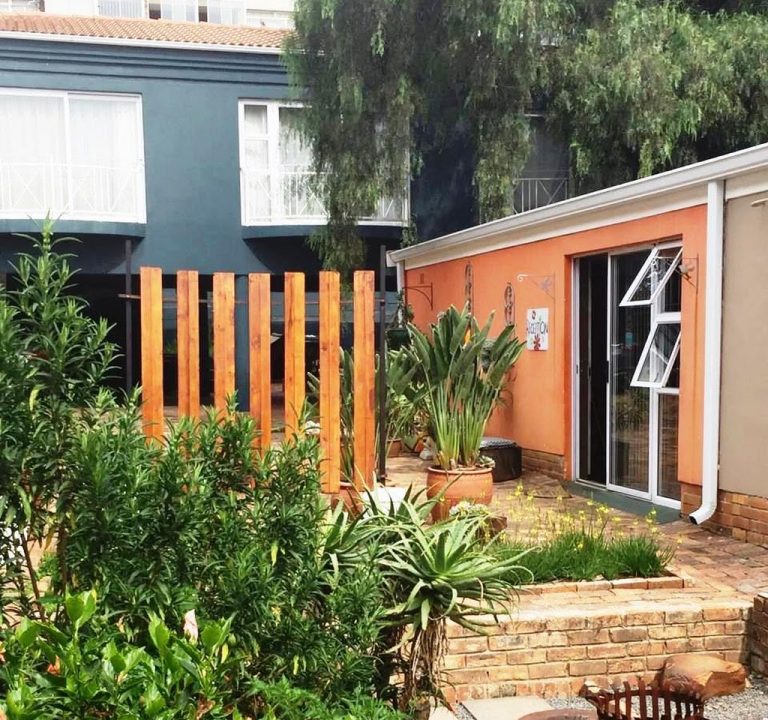
Heather Hill offers an indoor lodging option within the broader Johannesburg scene, with attention to guest comfort, convenience, and a restful base from which to explore. For those seeking easy access to central business districts or northern suburbs, ensuring transport links and security are clearly communicated will help you settle in smoothly. For more information about specific properties, visitor guides, and planning tips, visit their official site or reputable travel resources online.