Johannesburg: accommodation and planning your stay in Gauteng
Johannesburg, often referred to as Jo’burg or Jozi, is a sprawling city where the choice of accommodation can shape your experience as much as the itinerary itself. From boutique hotels perched in lively urban districts to modern city-centre hostels and stylish heritage properties, the city offers options to suit different budgets and travel styles. When planning a stay, consider which neighbourhood aligns with your interests, access needs and pace of travel, as this will influence everything from transport to daily rhythms and restaurant choices.
Areas to consider include the inner-city districts for a dynamic, design-forward stay, or more leafy, suburban hubs that balance easy access to attractions with a quieter atmosphere. The central business district and nearby creative precincts provide a buzz of cafés, galleries and markets, while enclaves like Sandton, Rosebank and Melville offer more shopping, dining and nightlife options. For families or travellers seeking leafy serenity, northern suburbs with larger properties and reputable guesthouses can be appealing. If you want a sense of place and a taste of local culture, look for stays in or near Maboneng, Braamfontein or Newtown—each with its own character and doorstep access to venues, street art and markets.
What to look for when booking a place is as important as where you stay. Consider the following:
- Location relative to planned activities, transport hubs, and safety considerations.
- Room configuration and privacy, especially if travelling with family or in a small group.
- Facilities such as secure parking, reliable Wi‑Fi, air conditioning or heating, and in-room amenities.
- Property type and style—whether you prefer a contemporary hotel, a design-led boutique, or a cosy guesthouse with personalised service.
- Guest reviews and recent traveller feedback about service quality, cleanliness and consistency.
Typical amenities in Johannesburg accommodations often include a well-equipped bathroom, tea and coffee facilities, and an on-site restaurant or bar. Some properties offer breakfast inclusions, concierge services, and arrangements for tours or local experiences. If a pool or gym is important, verify seasonal access and any booking requirements. For guests seeking a truly local flavour, look for properties that coordinate with nearby eateries and cultural venues to enhance your stay with curated recommendations.
Transport is a practical consideration in Johannesburg. The city is large and traffic can be unpredictable, so choosing a place with convenient access to major roads or public transit can save time. The Gautrain is a popular fast rail option linking Johannesburg and Pretoria with central stations that can put you within easy reach of suburbs and attractions. Local taxis and ride-hailing services are widely available, though it’s wise to confirm pick-up times and safety tips, particularly late at night. If you plan day trips—whether to explore O.R. Tambo International Airport’s surroundings, the surrounding natural beauty, or the city’s mining heritage sites—check whether your accommodation can assist with coordinating transfers or guided tours.
Best time to visit Johannesburg is generally throughout the year, with March to May and September to November offering milder temperatures and workable outdoor conditions. Summers can be warm and wet, while winter (June to August) brings cooler days and a chance of chilly evenings. Pack layers, sunscreen and a flexible itinerary to adapt to weather and local events. The city hosts a range of markets, galleries, live music venues and festivals at different times of year, so it’s worth checking what’s on during your planned stay.
When thinking about experiences, a balanced itinerary usually blends culture, cuisine and outdoor time. In the city centre and neighbouring districts, you’ll find striking architecture, museums and markets that showcase South Africa’s history, art and everyday life. Beyond museums, explore neighbourhoods where street art, craft studios and independent cafés create a vibrant day-to-day scene. For dining, you’ll encounter a diverse range of options—from contemporary eateries to traditional eateries that reflect the city’s multicultural heritage. While specific names and prices can vary, a focus on neighbourhoods with good transport access and a mix of casual and refined venues will help you plan and enjoy memorable meals during your stay.
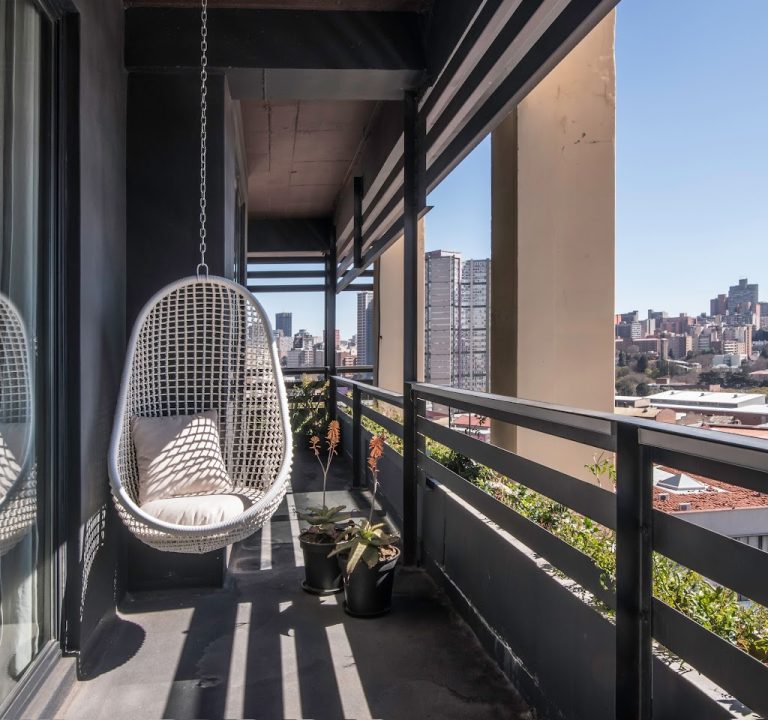
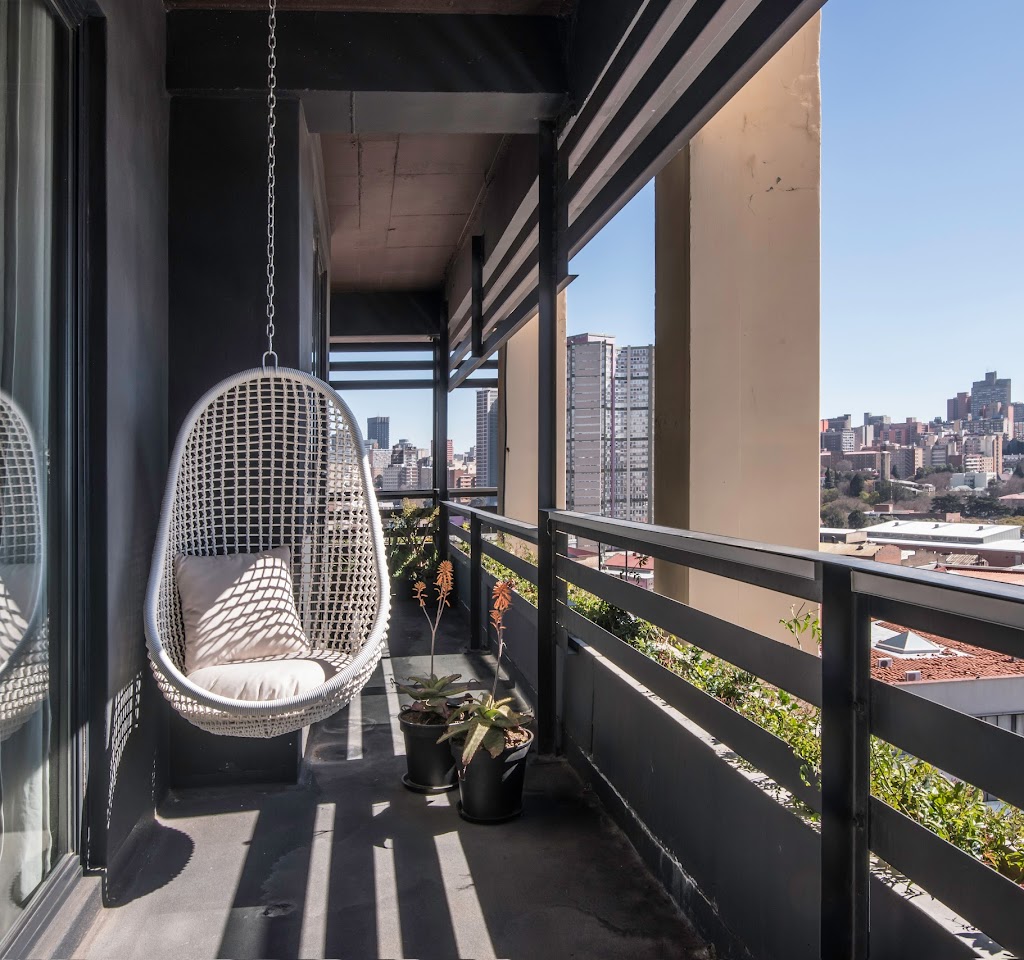
Accommodation example: Hallmark House, a stylish urban hotel option that encapsulates a modern city experience with thoughtful design and convenient access to the central districts of Johannesburg. For more information about this property, you can visit its official website at hallmarkhouse.info.
Practical tips to round out your planning:
- Book with flexibility where possible to accommodate flight delays or shifting plans.
- Check the quiet hours and any access restrictions for late arrivals or early mornings.
- Request a map or local guide from the host or front desk to tailor your days to what’s nearby.
- Consider a short stay in a compact, activity-rich area to minimise long transfers on busy days.
- Respect local customs and safety guidelines, especially in busy urban hubs and night-time settings.
In short, Johannesburg rewards travellers who blend comfortable, well-located lodging with an open, curious approach to the city’s attractions, dining and culture. With thoughtful planning around where you stay, how you move, and what you seek to experience, your visit to Gauteng can be both convenient and richly rewarding.