Johannesburg: Accommodation, attractions and practical tips for a satisfying stay
Johannesburg, often simply called Joburg, blends a dynamic urban scene with rich history and easy access to southern Gauteng’s landscapes. When planning a stay, consider the city’s varied neighbourhoods, from vibrant inner-city districts to leafy suburbs with their own distinct character. Self-catering options, boutique guesthouses, and larger hotels sit alongside serviced apartments, offering flexibility for travellers of all budgets. For those seeking a home-from-home base, properties such as Busby House provide a self-catering option with the convenience of a central location, ideal for longer visits or travellers who prefer to cook and pace their day themselves.
Choosing where to stay in Johannesburg typically comes down to access, safety, and the kind of experiences you want. The central and northern zones are connected by a network of roads and affordable ridesharing options, while some areas are particularly well suited to business travellers, culture lovers, or families. If you enjoy easy access to dining and nightlife, you may favour a stay in or near the city centre or the northern precincts. For a quieter, more residential feel with good connections to attractions, a suburb such as Rosebank or Sandton can work well. If you’re exploring museums, galleries, markets, and street photography opportunities, you’ll benefit from staying near pedestrian-friendly districts where public transport links are concentrated alongside eateries and shops.
What to look for when booking:
- Security and access: check that the property has reliable security measures, well-lit entrances and clear access procedures. A safe neighbourhood is worth prioritising, especially if you’ll be returning after dark.
- Layout and amenities: note whether you need self-catering facilities, a kitchen or kitchenette, laundry options, parking, and Wi‑Fi. Logic for comfort includes a comfortable bed, a functional workspace if you’re travelling for work, and adequate heating or cooling for seasonal changes.
- Proximity to transport: assess the distance to main transport routes, rail links, or major thoroughfares. Quick access to rideshare hubs or taxi services can save time in traffic.
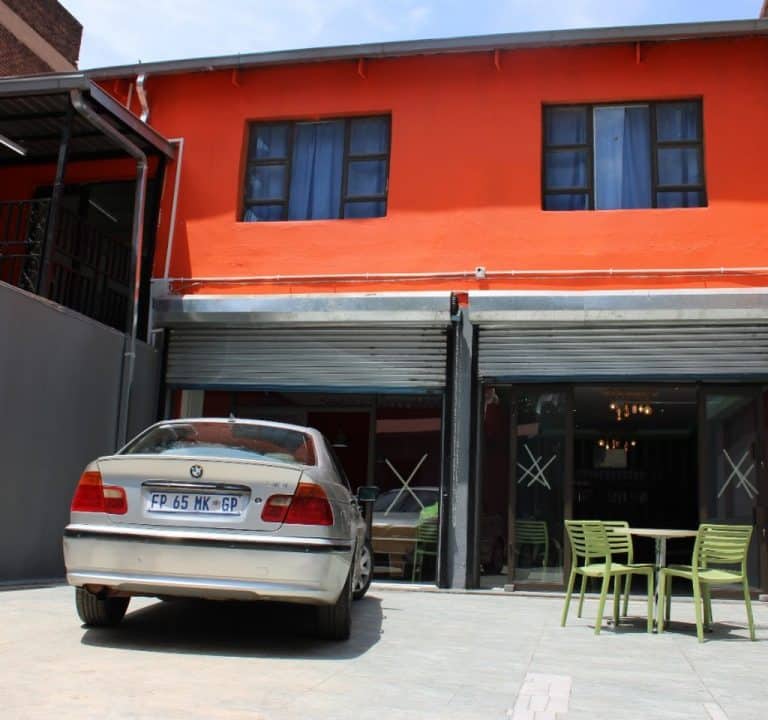
- Transport options: Johannesburg’s traffic can be heavy, so considering a property with easy access to Uber, Bolt, or municipal services can help keep travel predictable. If you plan to hire a car, check if on-site parking is available.
- Neighbourhood character: some areas are best for nightlife and dining, others for quiet mornings and green spaces. Read guest reviews to gauge whether a place aligns with your pace and interests.
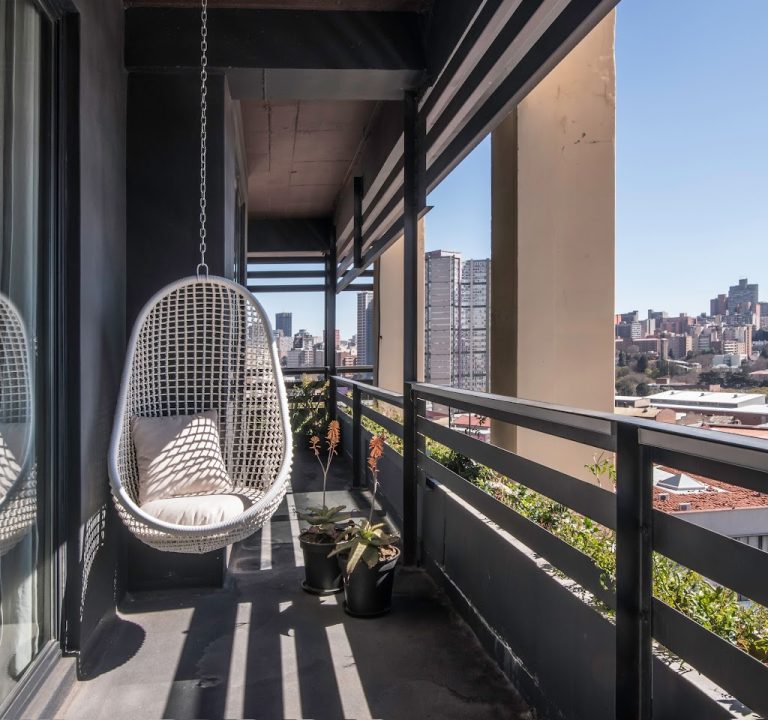
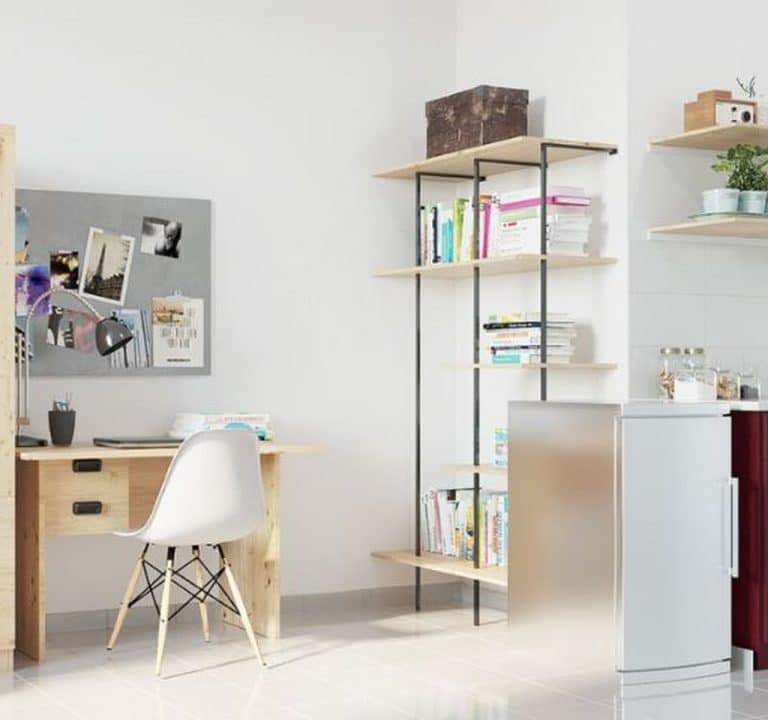
Typical amenities to expect in well-rated Johannesburg stays include secure parking, high-speed Wi‑Fi, a well-equipped kitchen or kitchenette, laundry facilities, and good natural light. Many properties offer daily housekeeping on request, while some self-catering units include dishwashers, coffee machines, and kitchen essentials. If you’re visiting during the hottest months, air conditioning or fans can make a noticeable difference. A reliable hot water supply and well-maintained bathrooms are equally important for a comfortable stay. If you’re staying for longer, a workspace with a desk, good lighting, and power outlets becomes a practical consideration.
Best time to visit and practical routines:
Johannesburg experiences four distinct seasons. Spring and autumn bring mild temperatures and pleasant days for outdoor markets and park strolls, while summers can be warm with the chance of late afternoon showers. Winter is dry and cooler, often ideal for spotting wildlife nearby and exploring city museums in comfortable weather. Plan outdoor activities for mornings or late afternoons to avoid peak heat and crowds. If you’re visiting for business or events, align your stay to the programme, allowing a buffer for traffic, especially on weekdays when road networks are busiest.
Getting around is straightforward but can be slower in peak hours. Consider staying within a sensible radius of your daily plans to minimise long commutes. Ridesharing services are widely available, and some areas are well served by metro bus routes and well-lit pedestrian paths. For those venturing beyond the city core, book day trips with reputable tour operators or use well-reviewed guides to ensure you see a balanced mix of culture, history, and nature.
Attractions and experiences can be enjoyed in a relaxed, pose-friendly way. In general terms, visitors may choose to explore museums and historical centres to gain context about the region, stroll through markets and arts districts to observe the city’s creative energy, and dine in a range of restaurants that reflect South Africa’s diverse culinary scene. For a broader sense of the area, consider planned walks or neighbourhood explorations that highlight architecture, street art, and public squares. South Africa’s hospitality culture tends to prioritise warm welcome and practical information, so don’t hesitate to ask hosts or reception staff for local tips on safe routes, quieter streets, or reliable recommendations for dining and day trips.
In terms of eating out, you’ll find a spectrum of options—from casual cafes and bakeries to contemporary eateries and refined dining rooms. Rather than focusing on individual names, look for places that emphasise fresh ingredients, clear menus, and an approachable price range. When planning where to dine, balance convenience with opportunities to sample a sense of place, such as eateries near markets, art districts, or green spaces.
For travellers who want a practical, home-from-home stay in Johannesburg, consider a self-catering option that places you in a well-connected neighbourhood with sensory access to the city’s culture and parks. With a thoughtful choice of area, sensible amenities, and smart transport planning, you can enjoy a balanced itinerary that covers heritage, markets, and modern South African life, while feeling at ease in comfortable, well-equipped accommodation.