Gqeberha: Where to Stay and What to Do in the Eastern Cape
Gqeberha, in the Eastern Cape of South Africa, offers a mix of coastal charm, historic heartlands and gateway-style access to wildlife and nature reserves. When planning a stay, travellers can choose from intimate guesthouses, stylish boutique hotels and longer‑standing lodges that showcase South Africa’s hospitality at a relaxed pace. The key to a rewarding visit is to align your accommodation with the activities you want to pursue, and to book with an eye to proximity, room type and the amenities that will make your stay comfortable.
Areas to consider for a stay vary by mood and interest. The coastal fringe affords easy beach access and waterfront walks, while the city centre and harbour areas place you close to markets, museums and a vibrant dining scene. Suburban neighbourhoods can offer a quieter backdrop with easy access to nature trails and informal eateries. In short, you can balance sea views with cultural immersion by choosing a base that minimises daily travel time to your preferred activities.
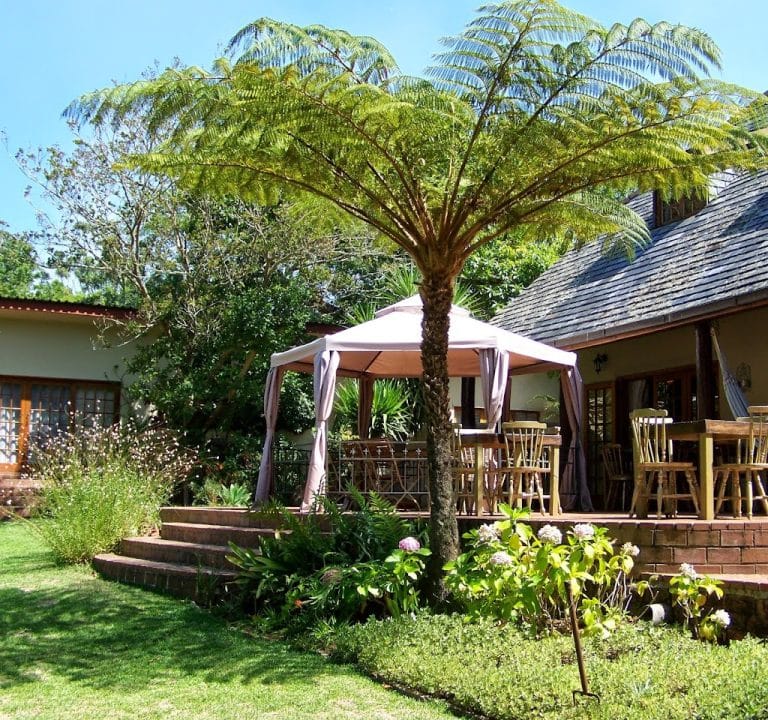
Accommodation options in Gqeberha range from guesthouses and B&Bs to boutique hotels and well‑appointed lodges. Typical amenities you might encounter include en-suite bathrooms, air‑conditioning or portable cooling, free Wi‑Fi, secure parking, and breakfast options that feature regional favourites. Some properties offer concierge services, organised tours, and recommendations for dining and day trips. When booking, consider whether you’d prefer self‑catering facilities, pool access, or a property with a social atmosphere where fellow travellers share tips and stories.
Transport is a practical consideration for planning your days. The city is served by a regional airport with connections to major hubs, and within the city, car hire offers the most flexibility for exploring coastal paths, reserves and rural areas. Public transport and ride‑hailing services can be convenient for shorter hops, especially around the harbour and central attractions. If you’re travelling with a detailed itinerary, a location near a main road or tramier routes can cut down on transfer times. Check whether your accommodation offers parking or a shuttle service, and remember to confirm accessibility if you have mobility needs.
Best time to visit Gqeberha generally aligns with the Southern Hemisphere seasons. Summers (roughly November to March) bring warm days suitable for beach outings and outdoor exploration, while spring and autumn (September to November and March to May) offer milder weather and fewer crowds. Winters (June to August) are cooler and drier, which can be ideal for museum visits and quieter coastal walks. If you’re visiting for wildlife watching, plan around seasonal patterns for nearby reserves or marine viewpoints, and be prepared for changing conditions on coastal hikes.
When it comes to planning activities, you’ll find a range of experiences that suit different tastes. Coastal walks and beaches are a staple for many visitors, with opportunities to spot birds, seals and dolphins along the shore. Harbour and waterfront precincts often host markets and casual eateries with emphasis on fresh seafood and local produce. Cultural interest tends to focus on maritime heritage, local crafts and galleries, as well as museums that paint a picture of the region’s history and development. For a broader escape, day trips to nearby nature reserves or propitious viewpoints can round out a stay with outdoor scenery and wildlife encounters.
Food and dining in Gqeberha reflect the city’s diverse influences. Casual eateries and family‑style cafés tend to showcase hearty modern South African and international flavours, while more refined establishments offer contemporary takes on regional ingredients. When selecting restaurants or dining options, consider a mix of local cuisine, waterfront settings, and places with sensible access for ongoing exploration. If you’re staying at a guesthouse or boutique hotel, you’ll often receive recommendations on well‑regarded spots that suit your pace and budget, from relaxed cafés to more specialised eateries.
Practical tips to help you plan a smooth stay:
- Choose accommodation with clear access to your planned activities, and verify parking or parking alternatives if you’ll be collecting a hire car.
- Check the inclusions: whether breakfast is served on‑site, if there are laundry facilities, and what the cancellation policy covers during your travel window.
- Pack layers for variable coastal weather, sun protection for daytime outdoors, and comfortable footwear for walks and gentle hikes.
- Factor in some downtime between activities to enjoy the setting, and leave room for spontaneous discoveries along the waterfront and historic streets.
- Respect local guidelines and safety norms, keep valuables secure, and plan your route with a map or offline navigation handy.
For inspiration and practical planning, you can explore official tourism resources and regional guides. A well‑chosen base in Gqeberha can provide easy access to beaches, cultural sites and dining, while giving you the flexibility to tailor each day to the pace you prefer. Whether you seek a tranquil retreat by the sea or a lively gateway to the Eastern Cape’s natural and historic attractions, a thoughtfully selected stay can set the tone for a memorable visit.
Further information and ideas for planning your trip can be found at official tourism websites and travel guides. For more details, visit the suggested destinations and accommodation listings available online.