Knysna: Where to stay, what to plan for, and how to enjoy this coastal forest town
Knysna, perched between the Indian Ocean and towering forested hills, offers a welcoming mix of relaxed seaside charm and rugged natural beauty. When planning a stay here, think about what portion of the landscape you want to immerse yourself in: the waterfront serenity, the forest hinterland, or the village buzz along the lagoon. The town is compact enough to explore on foot, bicycle, or a brief drive, yet diverse enough to reward longer breaks with a blend of outdoor adventures, creature comforts, and saucy Cape cuisine.
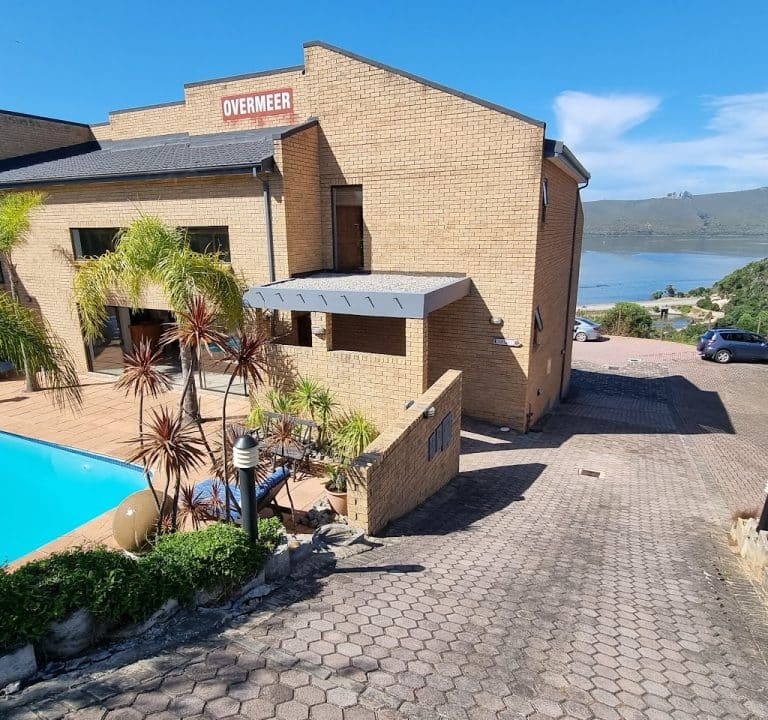
Accommodation in Knysna spans character-filled guesthouses, modern hotels, boutique lodges, and self-catering options. For example, lodges and self-catering stays near the lagoon or in leafy neighbourhoods provide a quiet base with easy access to activities, while central stays offer quick routes to markets, eateries, and harbour-based adventures. When selecting where to book, consider proximity to your planned activities, parking availability, and whether you prefer a tranquil garden setting or a location with easy access to waterfront paths.
Typical amenities in this region tend to balance comfort with a touch of the outdoors. Look for well-equipped kitchens or self-catering facilities if you value flexible meal routines, and check for features such as secure parking, reliable Wi‑Fi, air‑conditioning for hot summers, and game-ready outdoor spaces like braai (barbecue) areas and verandas with views. A bedtime garden or balcony can be a simple delight after a day of exploring forests, lagoons, and coastal trails. If you are travelling with family, pets, or small groups, verify capacity, common spaces, and whether on-site staff can assist with arranging activities or transport.
Getting around Knysna is straightforward but pre-planning helps. The town is reachable by regional roads from nearby towns and airports, with car hire commonly the most convenient way to explore at your own pace. Within Knysna, many attractions are spread along the headland and waterfront, so having access to a car or reliable rides can save time. For those who prefer not to drive, look for accommodation with good taxi links or access to suitable guided tours that include hotel pickups. Local knowledge can also be invaluable for finding quieter trails, good viewpoints, and farm-to-table eateries.
Best time to visit Knysna often aligns with its mild, maritime climate. The peak tourist months are generally during the Southern Hemisphere summer and school holidays, when days are longer and nature is most lush. Winter, by contrast, can be cooler and wet, but it offers a different kind of beauty with forest mists and calmer beaches. Spring and autumn are lovely shoulder seasons, typically offering pleasant temperatures for outdoor pursuits such as hiking, boating, and forest walks, with fewer crowds. If your itinerary includes boat trips or lagoon activities, aim for a window with stable weather and calm seas.
When planning your days, consider the following practical tips to make the most of your stay:
- Allocate a couple of dedicated days for the lagoon and headland walks, followed by a forest day for nature reserves and viewpoints.
- Reserve ahead for popular lodges or self-catering stays in peak seasons, especially if you have specific kitchen facilities or outdoor spaces you want.
- Booking a stay with parking and optional guided tours can streamline your itinerary, particularly if you wish to visit nearby attractions and viewpoints without lugging equipment or maps around.
- Pack layers for variable coastal weather: mornings can be brisk, afternoons warm, and sea breezes cool in the evenings.
- Respect the natural areas by sticking to marked trails, carrying water, and observing local conservation guidelines.
Attractions in the Knysna area typically offer a gentle mix of scenery and culture. The coastline provides dramatic viewpoints and sealife-friendly shores, while the lakes and forests invite serene walks, wildlife-spotting, and quiet moments by the water. The town’s dining scene leans toward Cape flavours and seafood, with eateries ranging from casual bistros to more refined venues. In addition to the gastronomic options, you’ll find markets and shops that highlight local crafts and produce, offering a sense of place without straying far from your base. For guests seeking a self-contained stay, lodges and guesthouses often provide recommendations for day trips and seasonal activities, helping visitors tailor a balanced mix of rest and exploration.
For accommodation ideas with a reliable base in Knysna, consider self-catering and lodge options that blend comfort with easy access to both forest and sea. One example is Guadeloupe Self Catering, a lodge that captures the spirit of a relaxing Knysna retreat while offering practical facilities for a home-from-home stay. Details and availability are typically listed on its official site, and you can explore how a lodge-style stay might fit your travel plans by visiting the linked page: Guadeloupe Self Catering.
Any visit to Knysna benefits from a flexible plan that leaves space for spontaneous discoveries—whether it’s a scenic viewpoint after a short forest walk, a casual meal by the harbour, or a restorative pause by the water. With the right accommodation as your base, you’ll be well placed to enjoy the town’s relaxed pace, its natural richness, and the friendly hospitality that characterises this part of the Western Cape.