Knysna: Accommodation, Attractions and Planning Your Stay in the Western Cape
Knysna, tucked beside a sheltered estuary and backed by forested hills, offers a welcoming mix of beaches, sunsets and laid‑back evenings. Whether you seek a cosy guest house, a boutique lodge or a self‑catering retreat, the town’s accommodation options are set up to suit couples, families and solo travellers alike. When planning a stay, think about which neighbourhood will best match the kind of experience you want—from waterfront views and easy access to the town centre, to quieter coastal pockets with direct forest or coastal trail access.
Areas to consider for your stay include central Knysna, where many guest houses and small hotels cluster near the lagoon, the Leisure Isle for a peaceful, water‑edge atmosphere, and The Heads area, which offers dramatic views and a short walk or drive to the harbour. If you prefer a more rural setting with forest trails nearby, look towards the surroundings of Knysna’s hills or out towards inland viewpoints. Whichever area you choose, you’ll typically find properties with a warm, personal touch—often run by owners who can share local tips and tailor recommendations to your interests.
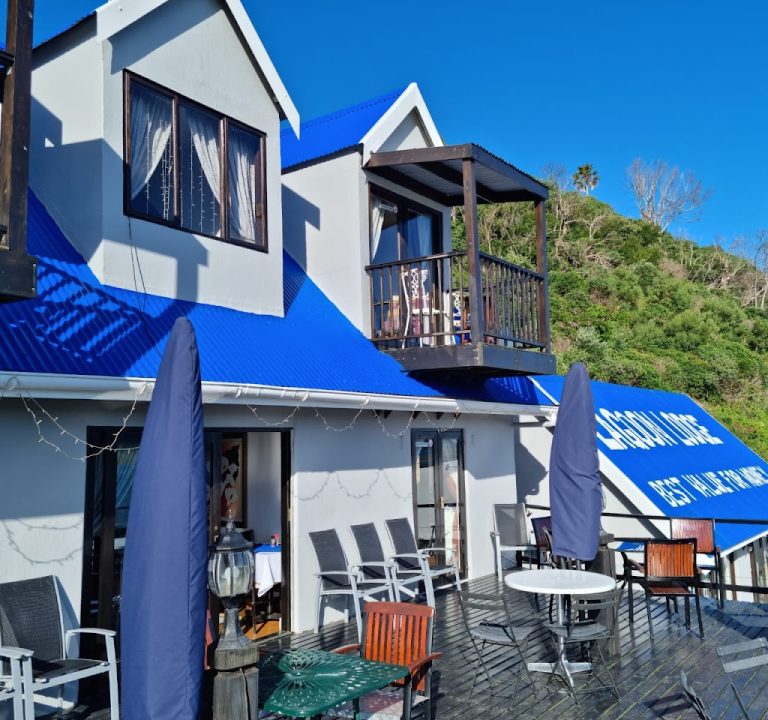
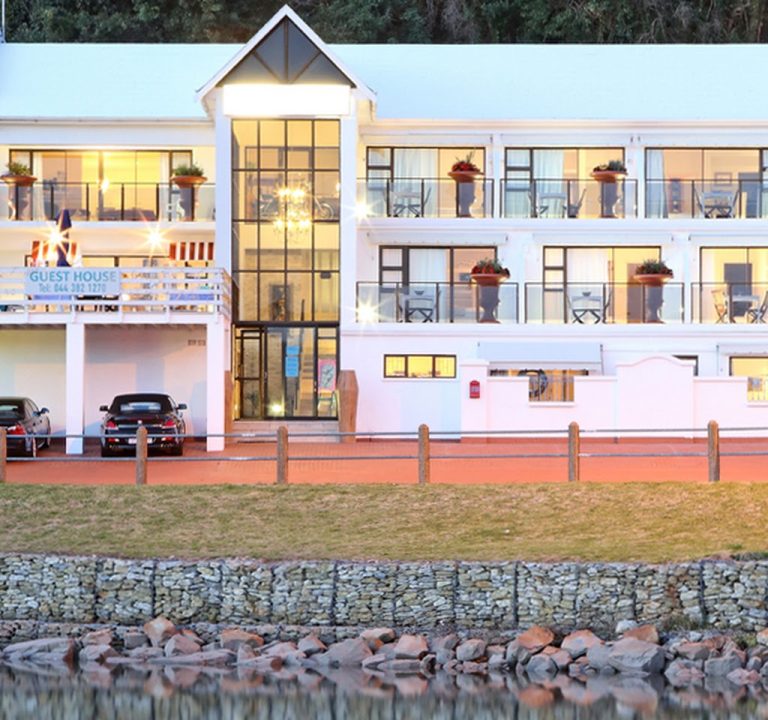
Typical accommodation types range from intimate B&Bs and guest houses to boutique hotels and self‑catering cottages. Many places prioritise thoughtful design, natural light and a sense of place—think verandahs with estuary or mountain views, sunlit lounges, and access to outdoor spaces for birdwatching or sunset portraits. Amenities commonly found include free Wi‑Fi, private or en‑suite bathrooms, secure parking, and delicious breakfast options that showcase regional produce. Some properties may offer additional conveniences such as mini‑bars, kitchenettes, or private decks, which can be especially appealing for longer stays or family trips.
Booking considerations are important for a relaxing visit. The best time to visit Knysna is linked to crowd levels and weather: the summer months (roughly December to February) bring warmer temperatures and more outdoor activities, while shoulder seasons (spring and autumn) offer calmer experiences and softer light for shore and forest walks. Winter can be cooler and wetter, yet provides a different mood and often more generous rates. If you’re planning outdoor excursions, it’s worth noting that some attractions operate seasonally or require pre‑booking, particularly boat trips, ferry crossings to local nature reserves, or guided forest walks.
Transport in Knysna is straightforward but benefits from a car. The town sits along the N2, with George Airport being the nearest major air hub for longer distance travellers. Within Knysna, roads are usually well signposted, and many guest houses offer parking. If you prefer not to drive, some lodges and inns can arrange transfers from the airport or provide local shuttle options. For day trips to nearby sights or along the Garden Route, a short drive to neighbouring towns or vistas often yields the best flexibility.
When choosing a property, consider the practical details that will shape your stay. Look for a location that minimises daily travel time to your planned activities, a comfortable bed and quiet common areas, reliable Wi‑Fi for work or streaming, and easy access to food options—whether on‑site meals or proximity to quality local restaurants. If you rely on a fold‑out sofa or extra beds for children, verify bed configurations in advance. Safety and accessibility are important too: check secure parking, well‑lit paths, and whether public spaces are accessible if you have mobility needs. For travellers with specific interests, such as birdwatching, hiking or estuary boat trips, choosing a property that can help arrange or facilitate these experiences can be a real bonus.
With regards to activities, Knysna’s appeal lies in its natural setting as well as its relaxed town vibe. The area is prized for forest and coastal trails, lagoon activities, and easy access to nature reserves. Boat trips and harbour cruises are popular ways to view the town from the water and to observe local wildlife, while forested paths offer shade and fresh air for hikers and cyclists. For dining, the town’s array of restaurants and cafes often highlight fresh seafood and farm produce, allowing visitors to sample the local flavours in a broad range of settings—from casual cafés to more refined dining rooms. If you’re seeking a lighter afternoon, a stroll along the waterfront or a short paddle on the lagoon can be a refreshing break between activities.
Practical tips to help you maximise your visit:
- Book accommodation well in advance for peak holiday periods to secure your preferred area and room type.
- Check property notes for parking, self‑catering facilities, and whether breakfast is included or available nearby.
- Ask hosts for recommendations on inland and coastal walks, sunset viewpoints, and quieter beaches away from the busiest spots.
- Prepare for varied weather: pack layers, a light rain jacket, and sun protection for outdoor days.
- Plan a flexible itinerary to balance leisure time with scenic excursions—the area rewards spontaneous stops to admire views or to explore markets and craft shops.
For further inspiration and practical planning, you can explore official local tourism resources and visitor information sites. These sources can help you identify recommended routes, seasonal events, and practical travel tips to tailor a memorable Knysna stay. Whether you seek romantic escapes, family‑friendly breaks or a peaceful solo retreat, Knysna’s combination of comfortable accommodation and striking surroundings offers a welcoming base from which to explore the Western Cape’s maritime forest and coast. For more on Knysna and how to plan your trip, visit the local tourism pages and hotel or guest house websites with confidence in their property descriptions and guest reviews.