Staying in Van Dyks Bay, Western Cape: accommodation, activities and planning tips
Van Dyks Bay, tucked along the scenic coastline of the Western Cape, offers a relaxed retreat where the sea, sand and natural scenery take centre stage. For visitors seeking a peaceful base with easy access to nature-watching, beaches and Cape countryside, the area presents a range of accommodation options from intimate B&Bs and guesthouses to self-catering cottages and small lodges. Planning a stay here revolves around choosing a convenient base, understanding transport needs and timing your visits to enjoy the outdoors at its best.
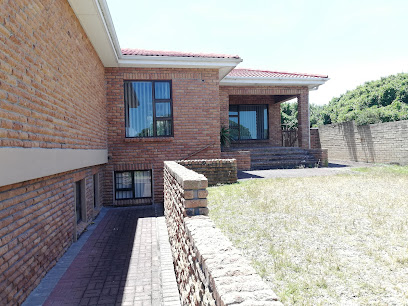
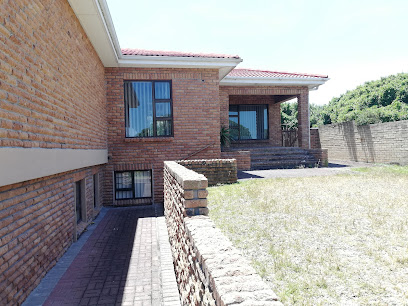
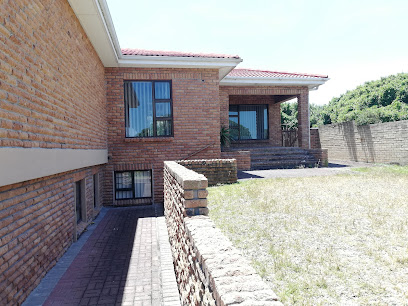
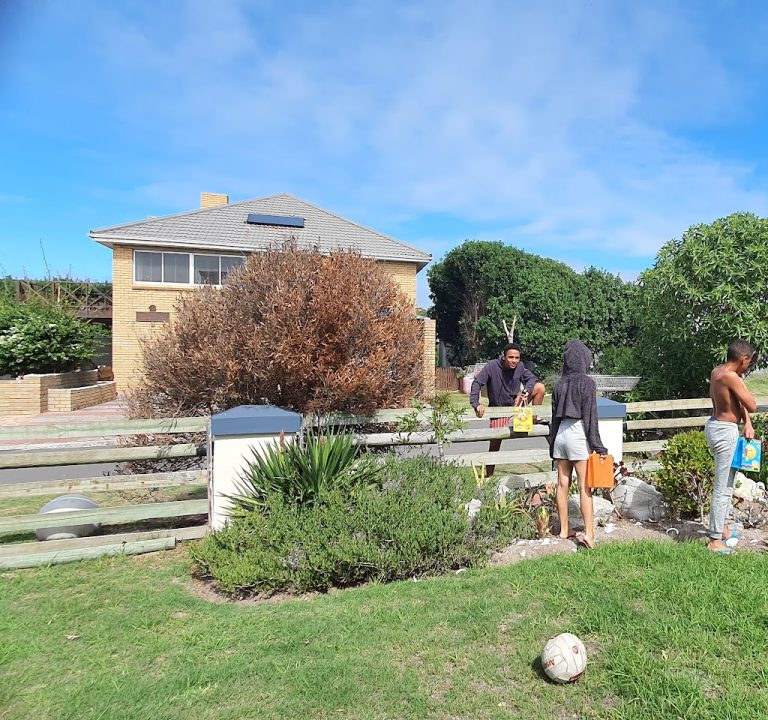
When choosing where to stay, consider proximity to the main beach and any nature trails or viewpoints you want to explore. Van Dyks Bay sits away from busier tourist hubs, which translates into a quieter atmosphere and less crowding, particularly outside peak holiday periods. If you prefer early mornings by the sea or quiet evenings with ocean sounds as your backdrop, look for properties with sea-facing views or access to private decks or verandahs. Self-catering cottages are a popular option for families or groups that want flexibility with mealtimes and day plans, while guesthouses and B&Bs provide a friendly, local flavour with breakfast and insider tips on local walks and best viewpoints.
Typical amenities you might encounter include private balconies or verandahs, well-equipped kitchens or kitchenettes, free Wi-Fi, secure parking, and outdoor space for al fresco dining. Some properties offer braai facilities (barbecues) for a relaxed evening meal with friends or family, and many have laundry facilities for longer stays. If you are travelling with children or guests with mobility considerations, check accessibility, ground-floor rooms, and proximity to the beach without steep paths. It’s also worth considering a host or guesthouse that can recommend safe beach access, tide times, and easy routes to wildlife-spotting opportunities nearby.
Getting about is straightforward if you have your own transport. The most convenient way to explore Van Dyks Bay and its surroundings is often by car, which gives you the freedom to visit nearby beaches, viewpoints, and small coastal towns at your own pace. Some attractions and restaurants are a short drive away, so confirm on-site parking and ease of access from your accommodation. For travellers relying on public transport, plan ahead as services may be less frequent than in urban centres, and check whether your chosen stay offers airport or station transfers or can arrange a local shuttle if required.
The best time to visit Van Dyks Bay depends on what you want from your stay. The region enjoys a temperate climate with wet winters and dry summers. Summer (December to February) is popular for beach days and long daylight hours, while spring and autumn (September to November, March to May) offer milder temperatures and fewer crowds for outdoor activities. Winter can be quieter, with cooler seas that still invite coastal walks and occasional wildlife sightings. Pack layers for cooler evenings and sea breezes, plus sun protection for daytime outdoor activities. Planning a stay with flexible day plans helps you adapt to changing weather and tidal conditions, especially if you prioritise beach time or seal or penguin-watching opportunities nearby.
Attractions and activities in the area are nature- and coastline-led. Expect opportunities for long coastal walks with panoramic sea views, wildlife watching along shorelines, and visits to nearby nature reserves or viewpoints. While specific sites or operator names aren’t detailed here, you can typically arrange guided walks, rock-hopping coastal trails, and safe swimming at beaches suited to families and confident swimmers. In terms of dining, you’ll find a handful of relaxed eateries and coffee spots within a short drive, offering light meals, fresh seafood and regional staples. Many venues emphasise seasonal ingredients and casual coastal ambience, making them a pleasant addition to a day spent outdoors. For more formal planning, local tourism sites or your host can point you toward reliable maps, walking routes and current recommendations for eateries with good-value menus and friendly service.
Practical tips to help you plan a smooth stay:
- Book early for peak seasons, especially if you want a sea view or a specific property type (B&B, self-catering, or lodge).
- Ask about access to private or gated parking, and confirm whether beach access is direct or a short walk away.
- Check for essential amenities such as a well-equipped kitchen, washing facilities, heating or cooling, and sufficient outdoor space for evening relaxation.
- Clarify policy on housekeeping, linen changes, and any pet-friendly options if you’re travelling with animals.
- Plan day trips with tides and weather in mind; many coastal activities are best enjoyed at mid to high tide and during calmer seas.
- Look for hosts or properties that can offer insider tips on local nature walks, safe beaches, and quiet viewpoints away from more crowded spots.
For those who want to blend a relaxed seaside stay with practical convenience, Van Dyks Bay offers a restful base that still keeps you connected to the Western Cape’s remarkable coastline. To start planning, check general visitor information and nearby accommodation options at reputable travel sites or local tourism portals. A stay here can be a gentle gateway to longer explorations of the region while providing a comfortable home base from which to enjoy ocean air, nature walks and the simple pleasures of coastal life. Discover more about the area and planning resources at local tourism pages: they often provide updated guidance on routes, seasonal highlights and suggested itineraries to help you design a balanced and restorative break.