Van Dyks Bay: a guide to accommodation and experiences in the Western Cape
Van Dyks Bay, perched along the pristine coastline of the Western Cape, offers a tranquil escape where natural splendour, rugged coastline and friendly local hospitality combine to create a memorable stay. The area is known for its sweeping views of the Indian Ocean, accessibility to unspoilt beaches, and a relaxed pace that is ideal for travellers seeking a restorative break or an active coastal itinerary.
When planning a visit, think about which part of the coastline you’d like to base yourself in. Options range from smaller guesthouses and B&Bs tucked into hill slopes with sea vistas to more contemporary hotels that sit closer to the shore. If you prefer easy access to long walks along the beach, a stay near the main coastal access points may be most convenient. For sunrise vantage points and quiet evenings, consider lodging a short drive inland where you’ll often find additional dining options and calmer surroundings.
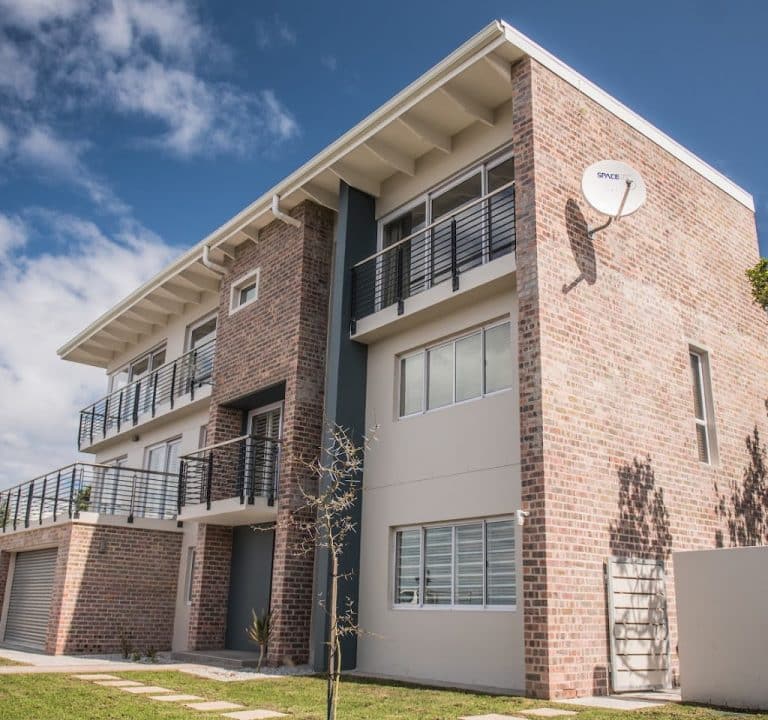
Accommodation options in and around Van Dyks Bay typically emphasise comfort, privacy and a connection to the outdoors. Expect well‑appointed rooms, en suite bathrooms, and spaces designed to maximise natural light and sea air. Many properties offer terraces or balconies, outdoor seating areas, and communal lounges that invite guests to unwind after a day of exploration. Depending on the property, you might also find features such as equipped kitchens or kitchenettes, free Wi‑Fi, secure parking, and laundry facilities—handy for longer stays or for families.
If you’re seeking a recognised accommodation with a larger footprint, you may come across boutique hotels in and around the area. One example to consider is 2 Sisters Retreat, a well‑established option noted for its steadier level of service and amenities. For the best experience, check recent guest reviews and current offerings directly through the property’s official site or trusted booking platforms before making a decision.
Facilities and what to look for when booking are worth paying attention to. Consider the following as you compare options:
- Access to private or shared outdoor spaces, including decks, gardens, and braai areas.
- Proximity to beaches, scenic lookouts, and transfer routes to local trails and coastal paths.
- On‑site dining or proximity to casual and higher‑end restaurants. In Van Dyks Bay, many visitors enjoy dining experiences that highlight fresh seafood and locally sourced ingredients.
- Availability of parking, bicycle storage, or convenient transport links if you plan to explore more widely along the coast.
- Flexible check‑in/out times and policies for late arrivals, which can be helpful if you are travelling by long coastal road or with a flexible itinerary.
- Accessibility features if needed, including ground‑floor rooms and step‑free access where possible.
Transport in and around Van Dyks Bay is straightforward but benefits from a little planning. The area is best enjoyed with a car, allowing you to venture to nearby towns, beaches and viewpoints at your own pace. If you prefer not to drive, check whether your chosen property offers shuttle services or can arrange private transfers to popular spots. Public transport along the Western Cape coast is more limited, so confirm local access and parking arrangements before you arrive. A map or GPS will be invaluable for navigating to coastal trails and viewpoints that may not be directly signposted.
The best time to visit Van Dyks Bay is dictated by what you hope to do. Summer and early autumn bring longer days, warmer seas and excellent conditions for coastal walks, swimming (where permitted) and water activities. Spring lends itself to mild weather and blooming flora along the coastal paths, while winter provides dramatic seas and a quieter atmosphere, perfect for those seeking solitude or wildlife watching from a safe vantage point. Pack layered clothing for variable coastal weather, and bring a light waterproof jacket for quick changes in sea breeze and afternoon showers.
Practical tips to ensure a smooth stay include planning meals and day trips ahead of time. While many properties offer self‑catering options or kitchen facilities, you may also want to book tables at local restaurants in advance, particularly during peak travel periods. For nature lovers, binoculars and sturdy footwear will enhance coastal hikes and birdwatching opportunities along the shoreline. Respect for the environment is important here; stick to marked trails, take litter home, and be mindful of sensitive dune ecosystems when exploring near the beaches.
Attractions and experiences in the broader area are typically nature‑led and low‑key, focusing on scenery, walking trails and coastal viewpoints. Expect opportunities to observe marine life from safe platforms, explore rocky coves, and enjoy long, scenic walks along the coast. When it comes to dining, you’ll find a mix of rustic eateries and more contemporary venues that prioritise fresh, seasonal ingredients. While exact restaurant names, prices and accolades can change, the emphasis remains on simple, well‑executed dishes, seafood highlights, and a friendly, over‑looking‑the‑sea atmosphere.
Overall, a stay in Van Dyks Bay offers a balanced blend of restful accommodation, dramatic seascapes and light‑touch activities that suit travellers seeking a relaxed coastal experience with a sense of space and wilderness. By choosing a well‑located base, planning transport, and keeping expectations flexible, you can enjoy a quintessential Western Cape escape that feels both intimate and effortless.