Cape Town: Accommodation, attractions and planning your stay
South Africa’s spectacular Cape Town offers a diverse mix of scenery, culture and cuisine, wrapped up in a compact city layout that makes it ideal for different styles of travel. Whether you prefer a cosy guesthouse with warm hospitality, a stylish boutique hotel near the Victoria & Alfred Waterfront, or a hillside lodge with sweeping views of the Atlantic, there are plenty of options to suit most budgets and preferences. When planning a stay, it helps to think about where you’ll spend most of your time and what pace you want to set for your days in the Mother City.
Areas to consider include the City Bowl, where you’ll be close to museums, markets and central sights; the V&A Waterfront and De Waterkant for a lively marina atmosphere with easy access to tours and dining; Camps Bay and Cliffton for dramatic coastlines and sunset views; Constantia and the Southern Suburbs for wine estates and tranquil residential streets; and the Atlantic Seaboard’s winelands of the North and West Coast reach for a more relaxed, scenic retreat. If you’re mainly here for outdoor adventures, staying near Table Mountain or the Makenzie and Atlantic coastlines can cut down on travel time to hiking trails, beaches and viewpoints.
When you book, look for practicalities that will shape your comfort and convenience. En suite bathrooms, reliable hot water, ample storage, and good air conditioning or heating are worthwhile year‑round. A private outdoor area, such as a balcony or courtyard, is especially welcome in Cape Town’s warm months. For families or groups, consider properties with self‑catering facilities, a kitchenette or a small lounge area. If you’re travelling during peak season, confirm access to parking or secure off‑street parking, as on-street spaces can be limited in central areas.
Transport is a decisive factor in Cape Town. The MyCiTi bus network covers many parts of the city and suburbs, while Uber and similar services are widely available. If your accommodation is near hills or rugged coastlines, a car can offer flexibility for day trips to places like Cape Point, the Cape Winelands, or the Cape of Good Hope. If you prefer leaving the driving to someone else, look for lodgings that can help arrange guided tours or provide curated recommendations for day trips and experiences.
Typical amenities you’ll encounter include breakfast options (from self‑service to full cooked breakfasts), swimming pools or outdoor decks, barbecue facilities, and guest lounges. Free Wi‑Fi is common, but you may want to verify bandwidth if you’ll be working remotely. Some properties offer laundry facilities, bicycle hire, or luggage storage, which can be particularly helpful for longer stays or weekend getaways. Accessibility features vary, so if stairs are a concern, filter results for ground‑floor rooms or properties equipped with lifts.
The best time to visit Cape Town is often during the shoulder seasons of spring (September to November) and autumn (March to May), when the weather is mild and crowds are thinner. December to February brings warmer days and lively beaches, but expect higher prices and busier sights. Winter (June to August) can be cooler and windier, yet offers reduced rates and a different atmosphere, plus opportunities to enjoy indoor attractions, wine tastings, and restaurant experiences in a more relaxed setting.
Key attractions and experiences in general terms include iconic viewpoints atop Table Mountain, scenic coastal drives along the Atlantic Seaboard, and the verdant splendour of Kirstenbosch National Botanical Garden. Robben Island tours provide a historically important perspective, while the nearby Cape Point and Cape of Good Hope offer dramatic coastal scenery. The V&A Waterfront is a hub for shopping, dining and waterfront strolls, and the colourful markets and eateries of the city bowl provide a taste of local life. For wine lovers, a day trip to Constantia or Stellenbosch, Paarl or Franschhoek wineries can be a memorable addition to a Cape Town itinerary. In terms of dining, expect a spectrum from casual eateries and cafés to fine‑dining restaurants with a focus on fresh seafood, South African flavours and contemporary twists on classics.
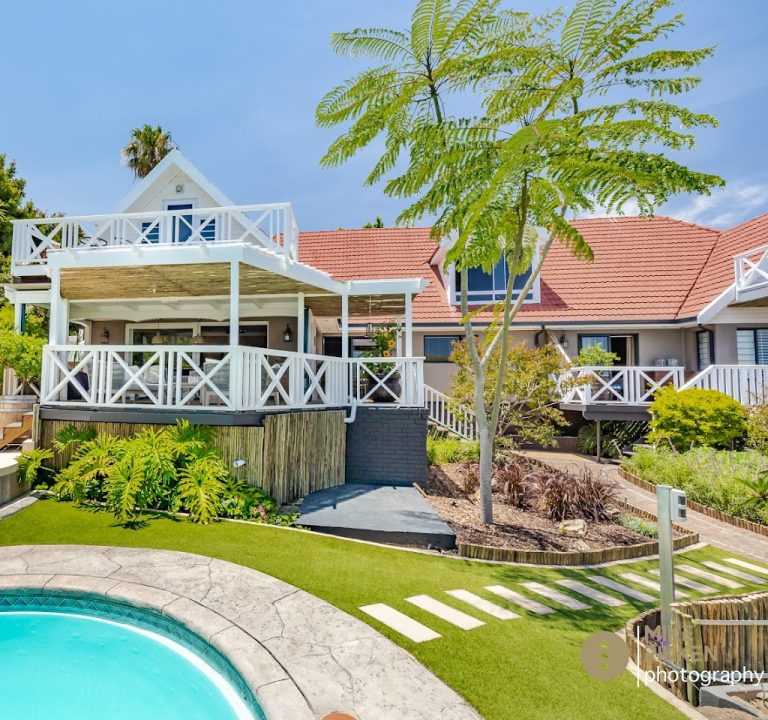
One sample lodging option to consider is the Golf and Garden Guesthouse, a guesthouse/pension style accommodation that blends a welcoming atmosphere with practical amenities for travellers. It sits in a position that can help guests access both notable attractions and quieter residential streets, offering a comfortable stay with parking and convenient access to local transport routes. For more information, their website provides an overview of rooms, facilities and booking details: Golf and Garden Guesthouse.
Practical planning tips to help you get the most from your stay:
- Book early for peak seasons, especially if you want a room with sea or mountain views.
- Check the cancellation policy and whether breakfast is included or available as an add‑on.
- Consider the distance to your day‑to‑day activities and whether you’ll rely on public transport or a hire car.
- Ask about security, parking arrangements and accessibility features if relevant to your group.
- Plan a mix of indoor and outdoor activities to balance days with good and variable weather.
With careful planning, Cape Town offers a rich blend of comfortable stays, scenic locales and a wealth of experiences that can suit every type of traveller, from culture seekers and food lovers to outdoor enthusiasts and luxury‑focused visitors. By choosing the right area, understanding your transport options, and clarifying amenities and timings before you book, you can build a memorable and well‑paced itinerary that captures the best of the Cape in one stay.