Accommodation and Experiences in Cape Town: Where to Stay and What to Do
Cape Town offers a rich mix of accommodation options set against extraordinary scenery, from mountain-side guesthouses to stylish boutique hotels and family-run lodges. When planning a stay, consider the neighbourhoods that best match your interests and the pace you want for your trip. Whether you crave street-front cafes and museum culture in the city centre, or tranquil coastal views and vineyard escapes a short drive away, there are options to suit every traveller.
To help narrow choices, think about accessibility, safety, and what you want to experience each day. The city’s compact centre makes it easy to walk between sights, but some areas demand a car or reliable transport for early starts or late returns. If you prefer a serene base with easy access to nature, the Atlantic Seaboard or Constantia promise quieter mornings and uplifting scenery. For wine lovers and foodie travellers, the Cape Winelands are within reach for day trips that combine vineyard tastings with country dining. For adventurous outings and iconic viewpoints, staying near Table Mountain or the V&A Waterfront can be especially convenient. A well-chosen guesthouse or boutique hotel will often offer a warm welcome, local tips, and a sense of place that larger chains may not provide.
Typical amenities to look for include breakfast options, free Wi-Fi, secure parking, convenient access to public transport or reliable shuttle services, and comfortable communal spaces. In a guesthouse or B&B, a personalised approach often means hosts can help arrange tours, advise on routes for hiking or scenic drives, and share insights into safe, must-see neighbourhoods. For longer stays, consider self-catering facilities or cooking spaces, which can be a practical complement to sightseeing days. When booking, read guest reviews to gauge consistency in cleanliness, host responsiveness, and the accuracy of listings with regard to room sizes and amenities.
Transport in Cape Town is diverse. If you plan to drive, expect steep hills and busy peak times, especially in the city bowl and along coastal routes. Public transport ranges from MyCiTi buses to reputable tour operators and ride-hailing services. For sea-and-sight experiences, ferries or boat trips are common for certain excursions, while car-free days can be enjoyable when you base yourself near central attractions. Always check access times for popular viewpoints or attractions that operate seasonally, and leave some room in your itinerary for weather-dependent activities such as outdoor hikes or harbour walks.
The best time to visit Cape Town depends on what you want from your trip. Spring and autumn bring milder temperatures and fewer crowds, making it ideal for exploring gardens and the surrounding winelands. Summer (the Southern Hemisphere’s peak season) offers lively coastal beaches and longer daylight hours, while winter brings cooler weather and occasional rain, which can be perfect for enjoying museum interiors and café culture without the crowds. If you are keen on outdoor adventures, plan around sunrise or late afternoon light for photography and scenic viewpoints.
When planning a stay, a few practical tips can save time and improve the experience. Book accommodation with flexible cancellation where possible, especially if your programme includes outdoor activities subject to weather. Check proximity to a safe area with easy access to self-guided walking routes, eateries, and markets. If you prefer a quiet base with easy access to nature, opt for properties on the edge of the city or in the nearby winelands, which frequently offer more space, gardens, and a tranquil atmosphere. Finally, consider a mix of experiences: several nights in a city-centre guesthouse for culture and dining, followed by a few nights in a vineyard or coastal lodge to unwind and soak up the scenery.
Within the broader region, you’ll find a wealth of activities and places of interest. There are natural landmarks and viewpoints that reward patient photographers and hikers, from mountain trails to rugged coastline. Cultural experiences can include museums, galleries, and markets that showcase local crafts and culinary traditions. Dining in Cape Town ranges from casual eateries and bistros to fine dining around harbourfronts, with menus that celebrate regional flavours and fresh seafood. To maximise your trip, consider booking a guided day tour or a private guide for a personalised overview of the city’s history, scenery, and neighbourhoods.
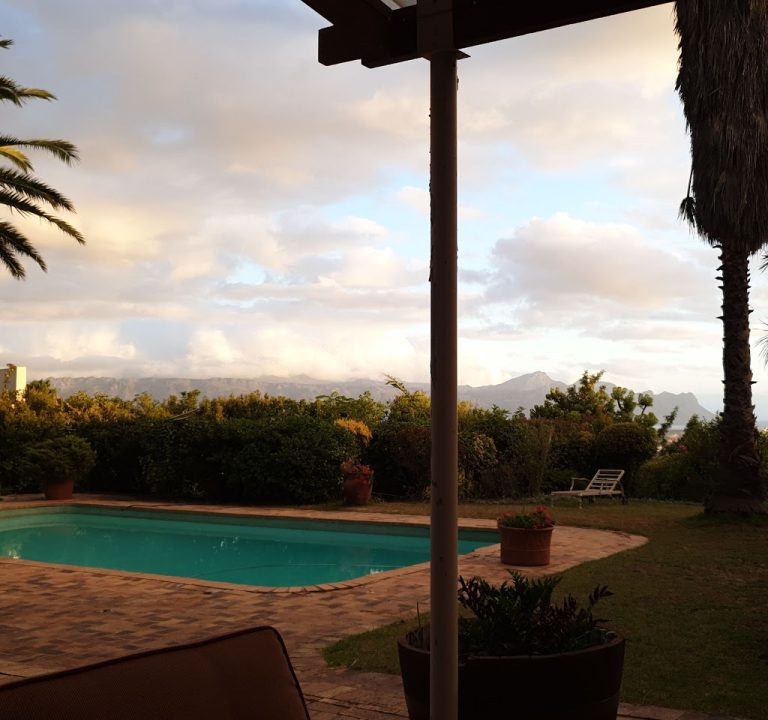
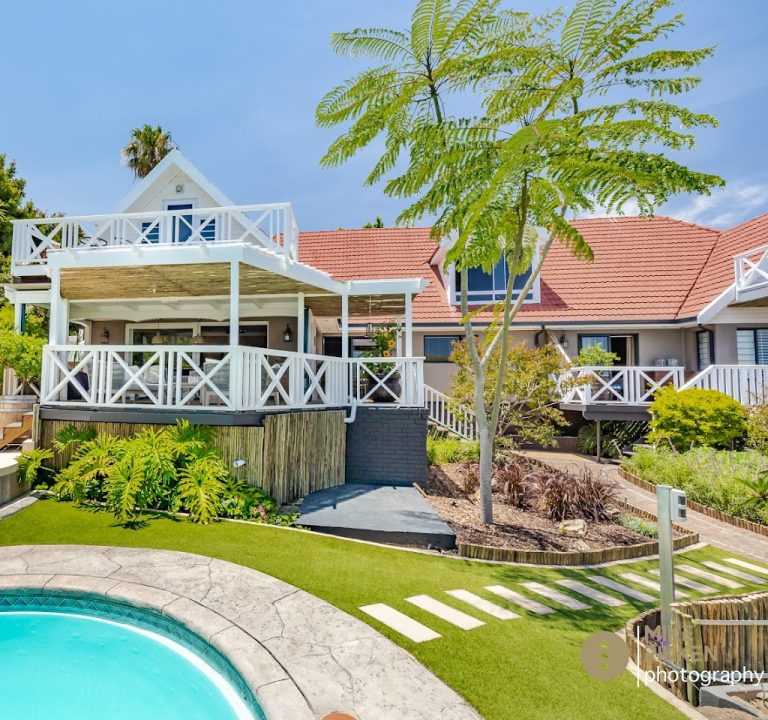
One example of a welcoming base with thoughtful guest comforts is a Somerset West guesthouse that emphasises hospitality, a restful setting, and easy access to both the Cape winelands and coastal routes. For more information about this or similar properties, you can visit the venue’s website to review rooms, facilities, and booking options. Big6 – Guesthouse offers a practical starting point for planning a multi-day stay that balances restful accommodation with opportunities to explore nearby attractions and experiences.
- Areas to consider for your stay: City Bowl and central Cape Town; Atlantic Seaboard and seaside suburbs; Constantia and the Constantia Valley; the Cape Winelands around Stellenbosch, Franschhoek, and Paarl; Simon’s Town and the False Bay coast.
Whether you are seeking boutique charm, a family-friendly base, or a stylish, contemporary room with scenic views, Cape Town’s accommodation options are well-equipped to help you plan a rewarding visit. With flexible stay plans, informative hosts, and a wealth of nearby sights and dining choices, you can tailor your itinerary to the pace and interests that suit you best—and return home with lasting memories of the city’s natural beauty and warm hospitality.