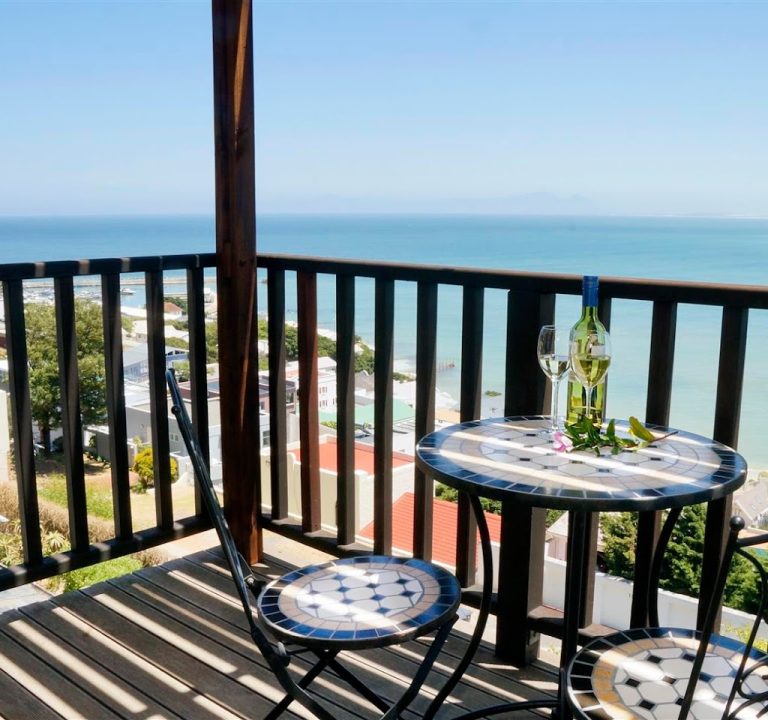
Cape Town: Accommodation, planning tips and what to do
Cape Town is a city of dramatic contrasts, where mountain scenery meets golden beaches and vibrant neighbourhoods. When planning a stay, consider the character of each area: the Atlantic seaboard with its harbour-side calm and views; the historic city bowl centre for accessibility and culture; leafy Constantia and the fibre of wine routes a short drive away; and the resonance of bohemian favourites along the Atlantic coast. A well‑balanced itinerary often combines a comfortable base with day trips to the surrounding winelands, penguin colonies, and solar-washed coasts.
Accommodation options are varied to suit different budgets and preferences. From chic boutique guesthouses tucked into bohemian streets to modern hotels with panoramic terraces, and self‑catering apartments that suit longer stays, Cape Town’s lodging is geared toward traveller-friendly experiences. When choosing where to stay, think about access to transport, proximity to your planned activities, and the pace you desire. If you plan to explore extensively, a central location with easy access to major routes and public transport reduces daily travel time and increases time for sights and meals.
Key areas to consider include the V&A Waterfront and the central city, which offer a compact base with a walking-friendly core, easy access to guided tours, and a range of dining options. The Green Point and Sea Point neighbourhoods provide a scenic, walkable stretch along the coast with sea views and cafés. For a mellower, wine‑dominated escape, Constantia and Stellenbosch in the surrounding valley are ideal for day trips and relaxed taking in the countryside. If you prefer a lively atmosphere with markets and nightlife, the Atlantic Seaboard and De Waterkant deliver stylish energy with convenient transport links to the rest of the city.
When booking, look for practical comforts that keep your stay easy. A good bed and clean bathroom are essential, but more spacious rooms with natural light, air‑conditioning or good ventilation, reliable Wi‑Fi, and a well‑equipped kitchen or kitchenette can make a big difference, especially for longer visits. Many lodgings offer a choice of breakfast options, inclusive or as an add‑on, and some provide secure off‑street parking, which is a welcome convenience in busy districts. If you’re travelling with family or a group, consider apartments or suites with separate living areas; for couples or solo travellers, a well‑located boutique hotel can provide a comfortable base with helpful on‑site staff.
Transport is a practical planning factor. Cape Town’s geography means some attractions are best reached by car, while others are accessible via MyCiTi buses or hop‑on hop‑off tours. If you plan to venture to the Cape Peninsula, the Constantia wine routes, or the Cape Winelands, a rental car offers flexibility, but ensure you understand parking options at your lodging and in busy city areas. For an easier experience, book accommodation with good access to public transport or a short ride to major hubs. A light, walkable neighbourhood with occasional street foot traffic tends to be pleasant for evening strolls and casual dining after a day of sightseeing.
The best time to visit Cape Town is spring (September to November) and autumn (March to May). These shoulder seasons combine milder weather with thinner crowds, making it easier to secure desirable accommodation and enjoy outdoor pursuits without the peak-season bustle. Summer (December to February) is peak season for beaches and outdoor events, while winter (June to August) brings cooler, windier days and is a good period for museum‑going and indoor experiences. Do note that weather can be changeable from day to day, especially near the coast, so pack a light rain jacket and a sunhat in your luggage.
What to do, in broad terms, includes scenic coastal walks, world‑class viewpoints, and a mix of cultural and culinary experiences. Visitors often spend time exploring the historic district with its galleries and markets, riding the cable car up Table Mountain for panoramic views, visiting harbourfront eateries for fresh seafood, and taking day trips to the Cape Peninsula’s dramatic cliffs, penguin colonies at Boulders Beach, and the nearby winelands. In terms of dining, Cape Town’s restaurants tend to demonstrate a balanced approach to cuisine—regional seafood, farm‑to‑table fare, and contemporary dishes inspired by global influences. It’s common to find menus that emphasise fresh ingredients and respectful sourcing, with options for sunscreen‑friendly alfresco dining on warm days and cosy, candlelit rooms for cooler evenings.
- Choose a base with easy access to your planned activities and reliable transport options.
- Prioritise comfortable, well‑ventilated rooms and dependable Wi‑Fi for planning and communications.
- Plan a mix of coastal days, mountain viewpoints, and cultural experiences to balance scenery with history.
- Book ahead for peak season and investigate cancellation terms in case of weather or timing changes.
Practical tips to get the most from your stay: arrive with a rough day-by-day plan but allow time for spontaneous discoveries; use reputable tour operators or official tourism pages to find reputable activities and experiences; check the neighbourhood at different times of day to gauge safety and ambience; and consider a mix of guided experiences and independent exploration so you can tailor days to your pace. For more ideas on where to stay and what to do, official tourism resources and reputable guides offer current recommendations and practical insights. If you’d like to explore lodging options in more detail, many properties provide direct booking facilities through their own websites or partner platforms, sometimes with guest reviews to help inform your choice.
Whether you choose a boutique guesthouse with personalised touches or a modern hotel with spectacular views, Cape Town rewards curious travellers with memorable scenery, welcoming hospitality and a broad spectrum of experiences. A well‑chosen base, thoughtful planning, and flexible timing can turn a stay in this dynamic city into a balanced and enriching visit.