Durban: Where to stay, what to expect, and how to plan your visit
Durban in KwaZulu-Natal offers a warm subtropical welcome, with palm-fringed beaches, a vibrant mix of cultures and a coastline that lends itself to relaxed, beachside stays. When planning a visit, consider choosing a neighbourhood that matches your priorities—whether you’re seeking easy beach access, a more central hub for nightlife and dining, or a quieter residential feel close to parks and gardens. Durban’s accommodation options range from stylish B&Bs and self‑catering suites to boutique guesthouses and larger hotels, so you can tailor your stay to your budget and style.
Areas to consider include the coast for coastal views and easy beach access, the Berea for a leafy, residential setting close to the city centre, Morningside and Musgrave for dining and shopping, and Umhlanga Rocks to the north for a resort-like atmosphere and a long stretch of promenade. If you want a traditional urban experience with easy access to markets, museums and nightlife, the central and Glenwood areas offer convenient transport links and a lively, walkable environment. For a family-friendly option with attractions nearby, look a little inland to places with easy access to parks and the Durban Botanic Gardens.
When choosing accommodation, look for clear information about room types, self‑catering facilities, and guest amenities. Practical features to prioritise include reliable air conditioning or heating (Durban’s climate can be warm and humid, especially in summer), a kitchenette or tea and coffee facilities in self‑catering options, secure parking, and easy access to public transport or reputable taxi services. If you’re travelling as a family or in a group, consider apartment-style layouts or multi‑bedroom options that maximise space and privacy. Free Wi‑Fi, a well-equipped kitchen, and on-site parking are often the deciding factors for longer stays.
Typical amenities you may encounter include: private or shared rooms in guesthouses or B&Bs, daily housekeeping, self‑catering kitchens with essential appliances, outdoor spaces such as verandas or courtyards, BBQ facilities, a swimming pool in warm-weather seasons, and helpful local information from hosts. When booking, clarify check‑in times, whether breakfast is included or available nearby, and any house rules that may affect your itinerary. If you require accessibility features, confirm steps, lifts, or ground-floor options in advance to avoid last‑minute surprises.
Transport in Durban is straightforward but varies by neighbourhood. The city centre and coastal areas are well served by taxis and ride‑hailing services, with most hotels and guesthouses offering shuttle options or easy connections to major routes. If you plan to explore beyond the immediate area, renting a car provides the greatest flexibility, while some visitors rely on bus networks or guided tours for day trips to nearby natural reserves or cultural sights. For air travel, Durban’s King Shaka International Airport serves as a gateway to the region; from there, most visitors continue by car or transfer services to their Durban accommodation. In‑city travel times can be influenced by traffic, especially during peak hours and holiday periods, so allow extra time for connections and outings.
Best time to visit Durban is when the weather suits your plans. The city enjoys warm summers with afternoon showers and mild winters. Summer (roughly December to February) is ideal for beach days, water activities and vibrant street life. Winter (June to August) is generally dry and comfortable, perfect for exploring the botanical gardens, museums and nearby hills without the crowds. Spring and autumn offer pleasant temperatures and quieter periods for sightseeing and dining out. Pack layers for cooler evenings, sun protection for daytime outdoors, and a light rain jacket if you’re visiting in the shoulder seasons.
Planning practical activities around your stay can enrich your Durban experience. For a sense of local character, stroll along the coast, browse markets, and sample a range of cuisines influenced by Indian, African and other cultural traditions. Food lovers will find a broad scene—from casual eateries with seafood and grilled fare to restaurants offering contemporary takes on regional dishes. For families and nature enthusiasts, there are parks and gardens to explore, and nearby nature reserves provide opportunities for wildlife spotting and scenic drives. Arts and culture venues showcase local craft, music and theatre, with occasionally rotating exhibitions and performances across the year. There is always something suitable for a relaxed weekend break or a longer stay focused on discovery.
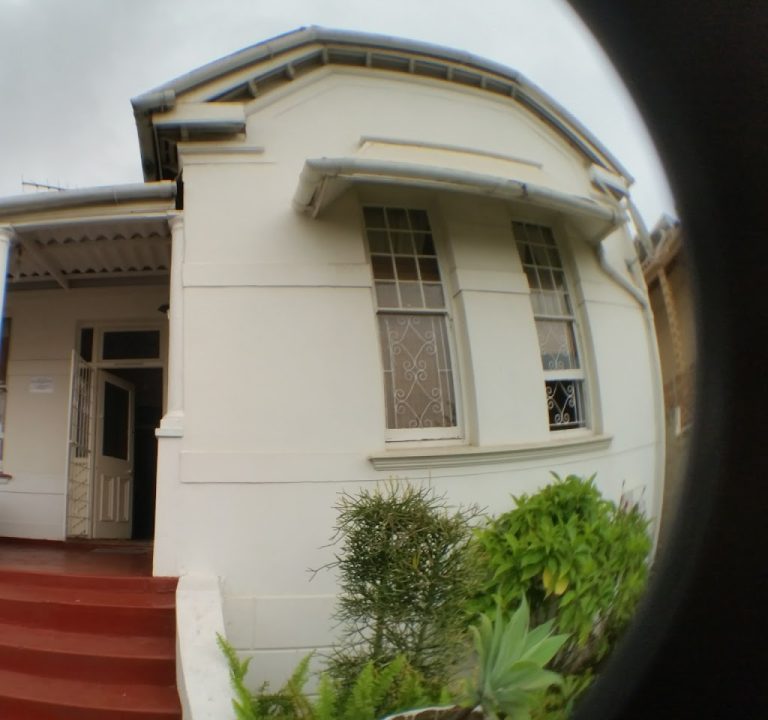
If you’re considering a stay at a Durban property such as Gladdington Self‑Catering Suites, you’ll typically find options that balance comfort with practical convenience. Self‑catering suites can offer flexibility for longer visits, enabling you to organise meals around day trips or late-night return plans. When booking, read recent guest reviews for insights into cleanliness, responsiveness of hosts, and the accuracy of listings. Check proximity to preferred neighbourhoods, and confirm access to parking, security, and any shared facilities. A well‑located base in the right area can save time and reduce travel hassles, letting you focus on enjoying the city’s warmth and the surrounding scenery.
In summary, Durban rewards thoughtful planning: choose a postcode that aligns with your interests, prioritise reliable basics and flexible living arrangements, and balance beach time with cultural and culinary exploration. With its pleasant climate, welcoming accommodation options, and a wide range of activities, Durban is well suited to both short visits and longer stays focused on discovering KwaZulu‑Natal’s coastal hospitality.