Durban: accommodation ideas, attractions, and planning your stay in KwaZulu-Natal
Durban offers a warm welcome and a vibrant mix of coast, culture and cosmopolitan dining. When planning a stay in this KwaZulu-Natal city, it helps to think about which neighbourhood will best suit your pace, budget and interests. Whether you prefer a leafy guest house in a historic district, a modern hotel within easy reach of the beachfront, or a lodge-style option on the fringes of the city, there are choices to match all kinds of trips—from family holidays to spur-of-the-moment weekends away.
Areas to consider and what they offer. The Berea and Morningside areas are close to central Durban and the harbour, with a mix of stylish guest houses, boutique hotels and self-catering options. They’re convenient for shopping, casual dining and easy access to major routes. On the coast, the popular Golden Mile and beachfront neighbourhoods provide immediate sea views and a short walk to the sand, cafés, and seasonal entertainment. For a relaxed, slightly quieter base, you might opt for inland suburbs such as Glenwood or Musgrave, where a number of guest houses and small boutique hotels sit within leafy avenues and offer easy access to parks, markets and trendy eateries. If you’re after a resort-like experience with a focus on beaches and family activities, Umhlanga Rocks and the northern coast offer higher-end stays and more resort-style amenities, often with tidal pools, spa offerings and ocean-view rooms. Durban’s central and southern suburbs can also serve as practical hubs for day trips to natural attractions and historic sites.
What to look for when booking. Consider these practical points to help you choose a place that feels right for your Durban stay:
- Proximity to the activities you want to do, whether it’s lounging on the beach, exploring markets, or venturing inland to nature trails.
- Type of accommodation: guest houses and bed-and-breakfasts can offer a personalised touch and local knowledge, while hotels provide predictable amenities and 24-hour reception.
- Transport accessibility: look for options with parking if you’re driving, or easy access to ride-hailing services and public transport for day trips.
- Amenities that matter: reliable Wi-Fi, air conditioning or ceiling fans for Durban’s warm periods, and a comfortable common area for evenings after a day out.
- Cancellation and flexibility: especially during peak travel periods, check the policy before booking to avoid any last-minute changes disrupting plans.
- Local tips and breakfast options: many guest houses include breakfast, which can be convenient and a good way to start early adventures along the coast.
Typical accommodation features you’ll find. In Durban, guest houses and boutique stays frequently offer a welcoming, homely atmosphere with personalised service. Expect en suite bathrooms, generous communal spaces, and light meals or breakfast options. Some properties highlight family-friendly features such as rooms capable of accommodating children, safe outdoor spaces, and easy beach access. If you choose a waterfront or beachfront property, you may enjoy sea views, sea breezes, and proximity to leisure promenades. For inland stays, you’ll often find well-appointed rooms with a quiet garden or courtyard setting, ideal for resting between day trips.
How to plan your days: attractions, dining and experiences. Durban’s coastline is famed for its expansive beaches and the sandy promenade where street food stalls and casual eateries thrive. Along the beachfront you’ll typically find seasonal entertainment, markets, and family-friendly activities suitable for all ages. In inland districts, markets and cultural hubs offer a glimpse into local life, crafts and cuisine. Durban’s dining scene ranges from informal cafés to contemporary restaurants and family-friendly eateries, with many venues offering outdoor seating and views of the city or sea. While we avoid specific price points or awards, you can expect a mix of traditional favourites and modern flavours, with seafood and South African specialties often featuring prominently in menus. If you’re keen on learning about local life, consider guided stays or experiences led by residents—these can provide authentic insights into neighbourhoods, neighbourhood markets, and the city’s history.
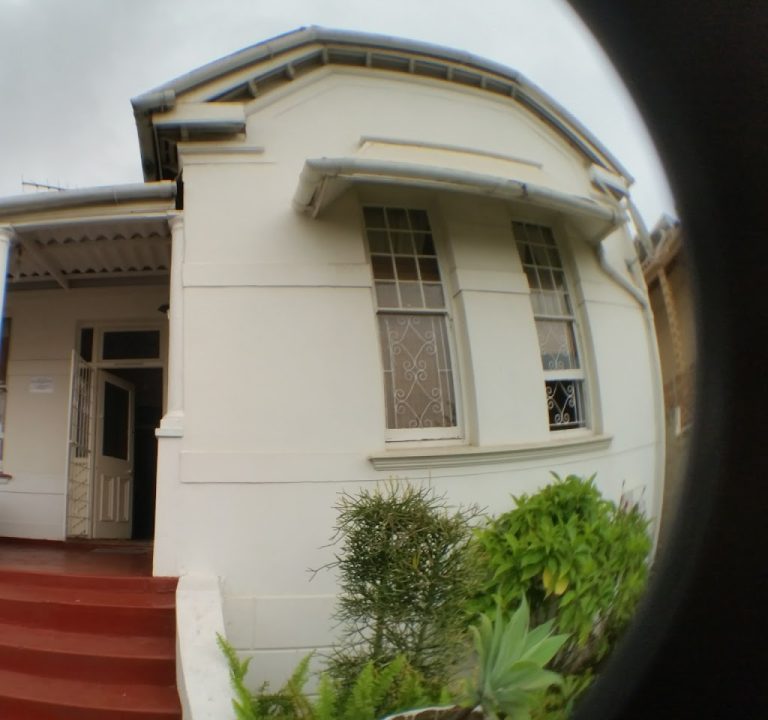
Best time to visit and practical tips. Durban enjoys a subtropical climate, with warm summers and mild winters. Peak tourist periods tend to be in the European school holidays and around major local events. If you prefer quieter streets and cooler evenings, plan for late autumn (April to May) or late winter (August to September). Pack light clothing for daytime, a light jacket for evenings, and sun protection for outdoor days. Public transport options include taxis, ride-hailing services, and some suburban rail links, which can be convenient for exploring beyond the central areas. If you’re driving, allow extra time for coastal traffic during peak seasons and weekends. Always check local advisories and weather forecasts, especially if you plan outdoor activities or nature-based excursions. A well-situated guest house such as Gardens Guest House can serve as a calm base with easy access to both the coastal strip and inland routes, enabling flexible day plans and restful evenings.
Practical planning notes. Look for reviews that mention cleanliness, host responsiveness and accurate descriptions of rooms and facilities. For a Durban stay, it’s helpful to have a shortlist of must-daves: a comfortable bed, a strong shower, and a location that minimizes long commutes between accommodation and your chosen activities. If you’re curious about local culture, consider a mix of free or low-cost experiences such as seaside strolls, markets, and nature trails, complemented by a few paid experiences or guided tours to gain context and history. For more information and inspiration, you can explore official tourism pages and city guides online.