Durban: Where to Stay, Eat and Explore in KwaZulu-Natal
Durban combines warm Indian Ocean beaches with a vibrant cultural scene, making it a rewarding destination for a stay that balances relaxation and discovery. When planning accommodation, consider the area you’d like to base yourself in, the pace you prefer, and how you’ll move around the city. Durban’s hotel, guesthouse and self-catering options range from stylish coastal boltholes to leafy, quiet locales inland. A well-rounded stay often means mixing beachside downtime with evenings in diverse neighbourhoods that offer markets, casual eateries and easy access to sights.
Where to stay matters as much as what you do. The beachfront belt along the Golden Mile and the Point area tends to attract visitors who want direct sea views, easy access to walks along the promenade, and quick hops to restaurants and bars. Inland, suburbs such as Morningside, Umbilo and Berea offer characterful guesthouses, boutique hotels and longer-stay flats with a more residential feel. For a quieter, family-friendly stay, consider neighbourhoods near botanical gardens or within easy reach of larger shopping centres. If you’re chasing a business trip or a conference, purpose-built hotels with business facilities can be a practical base, often with on-site dining and good parking.
Typical amenities to look for when booking include reliable Wi‑Fi, air conditioning (crucial in Durban’s warmer months), on-site parking or easy parking options, a 24-hour reception or security, and easy access to public transport or taxi services. If you plan to spend long days sightseeing, a comfortable bed, a generous breakfast and a convenient location can save time and maximise your time outdoors. For families or groups, rooms with separate living areas, kitchenettes or self-catering facilities offer flexibility. Read recent guest reviews to gauge consistency in housekeeping, noise levels, and the responsiveness of staff.
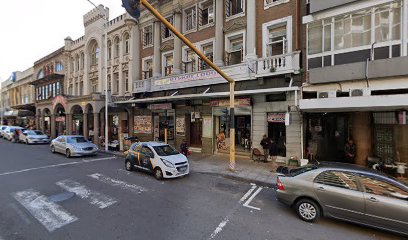
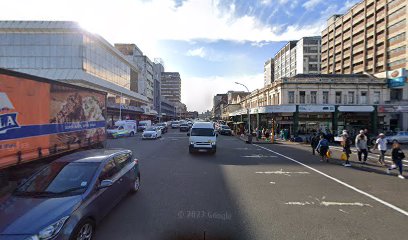
Transport in Durban is reasonably straightforward, though planning ahead helps. The old city centre is well connected by taxis and rideshares, and the MyCiTi bus network serves many popular routes, including coastal and central areas. If you intend to explore beyond the beachfront, a hire car may give you maximum freedom, particularly for day trips into the surrounding hills or along the North Coast. When staying near the coast, it’s easy to stroll to beaches, markets and promenades, but evenings can be lively, so plan a safe route back to your accommodation after dark.
Best time to visit Durban depends on your priorities. The city enjoys warm summers, with pleasant winters by the coast. The hotter, slightly rainy season runs from roughly November to March; this period can be ideal for beach days and tropical flair, but pack sun protection and light rain gear. Winter offers cooler, drier days that are comfortable for city sightseeing and outdoor eating in neighbourhoods that spill into the streets with live music and markets. If you’re chasing festivals and cultural happenings, check local calendars for events that suit your interests, as Durban’s calendar tends to be lively year-round.
Durban’s accommodation scene often pairs well with a mix of attractions and experiences. For a broad sense of the city, you’ll find endless beach walks and a rich maritime heritage, along with modern waterfront developments. Cultural experiences can include museum collections, galleries, and markets that showcase Zulu crafts and coastal foods. For outdoor enthusiasts, a short drive can take you into surrounding hills and valleys where you can enjoy scenic viewpoints, scenic drives and nature walks. Dining tends to reflect the city’s multicultural palate, with options ranging from seafood-focused eateries to regional curries, spicy grills and casual eateries with garden seating. Most hotels and guesthouses provide easy access to central sights and popular dining districts, making it practical to sample a mix of menus and atmospheres during your stay.
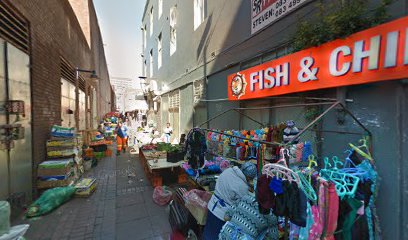
When planning activities, balance will help you get the most from Durban. A few practical tips include booking popular experiences in advance during peak seasons, leaving time for relaxed meals along the way, and packing a light sweater for cooler evenings. If you’re exploring on foot, wear comfortable shoes and keep to well-lit, populated areas after dark. It’s also worth securing travel insurance that covers weather-related delays or changes in plans, as with any coastal destination. For those who enjoy local markets, look out for crafts, fresh produce and street food in the city’s market hubs, where you can sample regional flavours and meet local producers in a relaxed setting.
Whether you’re seeking a stylish coastal retreat, a family-friendly base or a convenient city stay, Durban’s mix of accommodation, transport options and neighbourhoods makes planning straightforward. Start with a shore-facing or near-beach base if you want to wake up to sea air, then venture into inland districts for cultural vibes and diverse dining. For more information about Durban’s official visitor highlights and practical travel tips, you can explore resources from KwaZulu-Natal Tourism via the following link: KwaZulu-Natal Tourism.
In short, Durban offers a pragmatic mix of comfort, character and coastline. With thoughtful choices about where you stay, how you move around and when you visit, you can craft a stay that feels both relaxed and enriching, with plenty of opportunities to discover local flavours, scenic walks and memorable experiences along the KwaZulu-Natal coast.