Durban: Accommodation, attractions and planning your stay
Durban, a coastal city in KwaZulu-Natal, blends subtropical beaches, bustling markets and a rich cultural tapestry. When choosing where to stay, consider districts that match your interests and pace of travel. The beachfront and central city areas offer convenient access to the Golden Mile, shops, and restaurants, while leafy suburbs and vibey districts can provide a quieter base with easy access to parks, galleries and contemporary eateries. Durban’s climate is warm year‑round, so plan for sun, occasional showers and balmy evenings, especially if you are visiting during the summer holiday season.
Accommodation options in Durban range from boutique hotels and guesthouses to modern towers with sea views and serviced apartments. When booking, look for properties that align with your priorities: proximity to the coast or a specific neighbourhood, self‑catering facilities, or concierge support for tours and restaurant bookings. If you value a sense of place, opt for properties that showcase local architecture or design, and that provide honest information about nearby points of interest and safe travel routes after dark.
Areas to consider include:
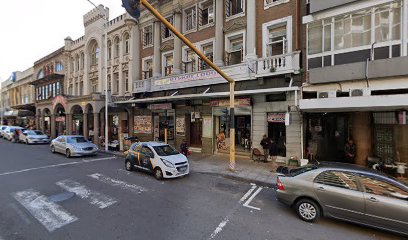
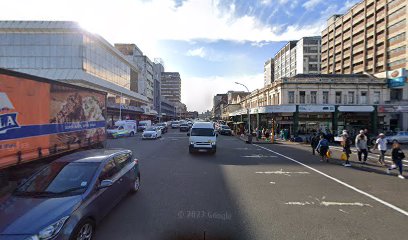
- Central Durban and the Golden Mile, ideal for first‑time visitors seeking easy access to the beachfront promenade, cafés and museums.
- Umhlanga and La Lucia, a short drive north with upscale dining, shopping and coastal walks.
- Morningside and Glenwood, offering a mix of green spaces, vintage shops and bistros, with quick access to the city core.
- Berea and Greyville, convenient for business travellers and those who want a blend of heritage buildings and modern amenities.
Facilities to look for when you book include reliable Wi‑Fi, air conditioning or heating (Durban can be humid in summer and cooler at night in winter), on‑site parking or secure garage access, and thoughtful extras such as a well‑equipped kitchenette, a comfortable workspace, or a spa and gym. Some properties provide bicycle hire or guided tours, which can be convenient for exploring the city’s streets and markets without relying solely on taxis.
Transport in Durban is relatively straightforward, though it pays to plan ahead. If you are staying near the beachfront, walking is pleasant for short trips, with rideshares and taxis available for longer hops. For day trips along the coast or to seafront towns, renting a car offers flexibility and time efficiency. If you prefer public transport, check current availability and schedules in advance, and ask your host or hotel staff for reputable transfer options or local drivers with good safety records. For frequent visitors, a locally arranged SIM card can help with maps and ride‑hailing apps while you explore.
Best time to visit Durban balances beach weather and crowd levels. The city enjoys long, warm days from late spring through autumn. If you plan outdoor activities, mornings tend to be cooler, with breezier afternoons by the beaches. The autumn and winter months can be drier and pleasantly mild, making markets, museums and dining out very enjoyable without the peak heat. If you enjoy swimming, the water stays warm enough for coastal trips well into autumn, though ocean currents and weather can influence swimming conditions—always heed lifeguard advice and posted warnings.
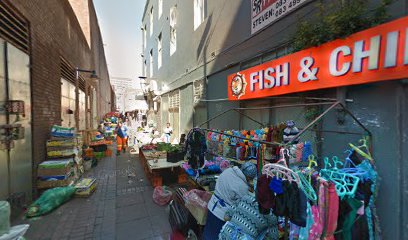
When crafting your itinerary, mix coastal experiences with cultural and culinary discoveries. Along the Golden Mile and nearby beaches, you’ll find promenades, family‑friendly parks and viewpoints that showcase the city’s coastline. Durban’s markets and neighbourhood cafés provide opportunities to sample local flavours, handmade crafts and street foods. For a relaxed day, consider a stroll through harbour‑side precincts or a park with shaded paths and art installations, followed by a sunset meal at a restaurant offering contemporary regional cuisine.
Practical tips to help your stay run smoothly:
- Book accommodation with clear information about security, access after dark and nearby medical services.
- Pack light clothing, a lightweight rain jacket for summer showers and a sweater for cooler evenings by the coast.
- Bring sunscreen, a hat and comfortable walking shoes for beach and market days.
- Check cancellation policies and flexibility in case travel plans change, especially during peak seasons.
- Ask hosts or hotel staff for recommended day trips, such as coastal drives, nature reserves or galleries, and for reputable restaurant suggestions.
Durban’s dining scene spans casual beachside eateries and innovative restaurants that celebrate seafood, curry and modern African influences. When planning where to eat, consider a mix of tried‑and‑tested local favourites and modernday establishments that prioritise fresh ingredients and strong service. Browsing a local map or a trusted travel site can help you identify places that suit your budget and taste, without committing to a specific venue in advance.
For more information on places to stay and plan your visit, you can explore official tourism resources and hotel websites that offer practical details, guest reviews and local recommendations. A well‑chosen base in Durban can help you make the most of the city’s warm hospitality, coastline and cultural richness. If you wish to learn more about a particular hotel or area, you can visit the property’s own site or a tourism portal to compare features, accessibility and nearby attractions.