Johannesburg: Where to stay, what to do, and how to plan a memorable visit
Johannesburg, Gauteng, offers a dynamic mix of cultural experiences, modern business districts, and leafy residential areas that can anchor a comfortable, convenient stay. Whether you arrive for a business trip, a city break, or a longer exploration of South Africa’s urban centre, choosing the right area and accommodation can transform a trip. From boutique B&Bs to contemporary lodges and guesthouses, there is a range of options designed to suit different itineraries and budgets.
When planning your stay, think about what you want to do each day. If your plans tend toward shopping, dining, and nightlife, a base in Sandton, Rosebank, or the fashionable suburbs around Melville and Parkhurst can save travel time. For culture, murals, markets, and historical sites, consider the city centre, Maboneng and Newtown, where walkable streets and vibrant venues help you experience the city on foot. For a quieter ambience with easy access to golf courses and parks, residential pockets such as Linden, Fourways, or Gallo Manor can offer tranquillity with reliable transport links.
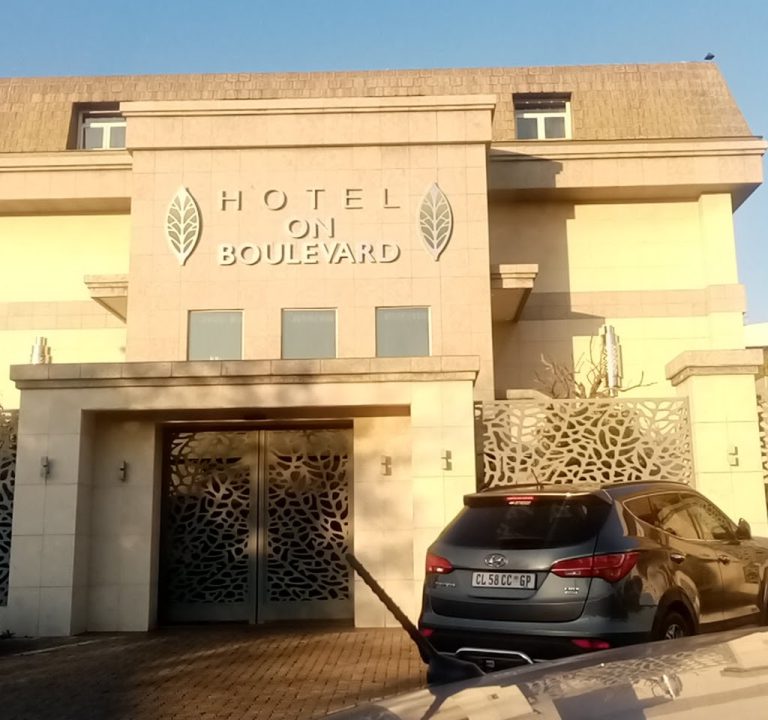
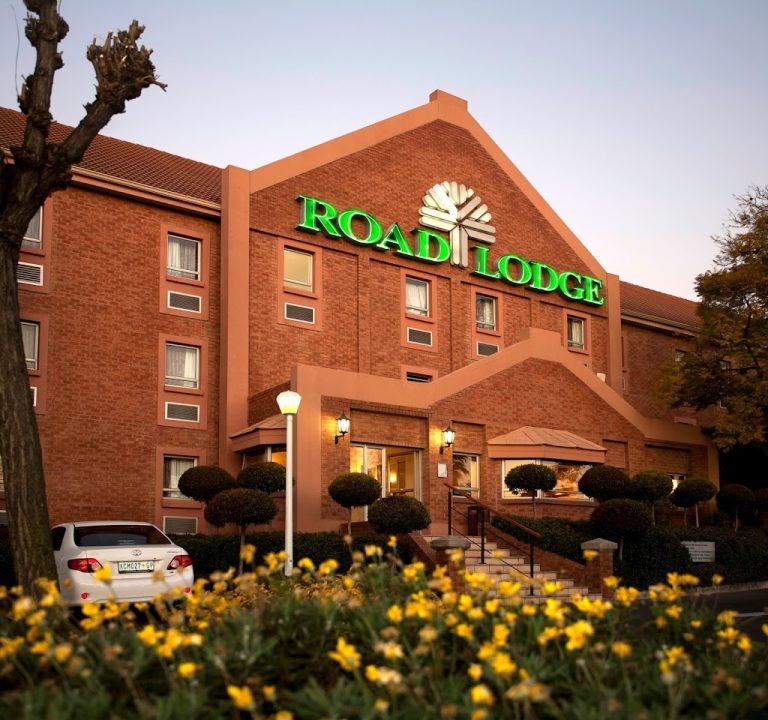
Accommodation in Johannesburg spans small guesthouses, B&Bs, and stylish boutique hotels. Typical amenities you might encounter include complimentary breakfast, free wifi, on-site parking, swimming pools, and garden spaces. Some properties offer airport or city shuttle services, which can be a relief after a long flight or a busy day of meetings. Look for flexible check-in options, clear cancellation policies, and rooms that suit your needs—whether you prefer a private ensuite, a work-friendly desk, or a quiet lounge area for after-hours emails.
When you book, pay attention to several practical details. Proximity to the places you’ll visit daily can save time and reduce fatigue. If you plan to rely on public transport, check how close the lodging is to Gautrain stations or major bus routes. For travellers with car hire, ensure there is secure parking or easy street access. If safety is a priority, read guest reviews about neighbourhood atmosphere and access to well-lit streets, particularly if you’ll be out after dark.
Typical amenities that travellers often value include a comfortable bed and linens, a well-equipped kitchenette or coffee facilities, and access to a fridge and storage for snacks or travel essentials. Climate control is useful in Johannesburg, where temperatures can vary with altitude and season. A pool or outdoor space can be a welcome retreat during warm months, while good soundproofing helps with restful nights if your accommodation is near busy streets or nightlife hubs.
Best time to visit Johannesburg generally follows South Africa’s climate. The dry winter months (May to August) are popular for outdoor excursions and sightseeing, with clearer air and pleasant daytime temperatures. Spring (September to November) and autumn (March to May) offer mild weather and blooming gardens. Rainfall is more common in the summer months (October to March), which can be a good time to experience lush parks with fewer crowds, though occasional showers may affect outdoor plans. Adjust your activities to the weather forecast and consider indoor options such as galleries, museums, and markets for rainy days.
Getting around is straightforward, though the city’s traffic can be heavier during peak hours. A rental car provides the most flexibility if you plan to explore multiple suburbs or embark on day trips to nearby natural areas or historic sites. Alternatively, taxis, rideshare services, and the Gautrain provide efficient connections between key hubs like Sandton, Rosebank, and the city centre. If you stay in a guesthouse or B&B, ask hosts about reliable local transport options and whether they can arrange transfers for you.
Examples of accommodation approaches you might consider include:
- Boutique B&Bs in suburban enclaves offering personalised service and a homely feel
- City-centre guesthouses with easy access to museums, galleries, and dining scenes
- Modern lodges or hotels in gated precincts near business districts
- Family-friendly properties with secure parking and leafy outdoor spaces
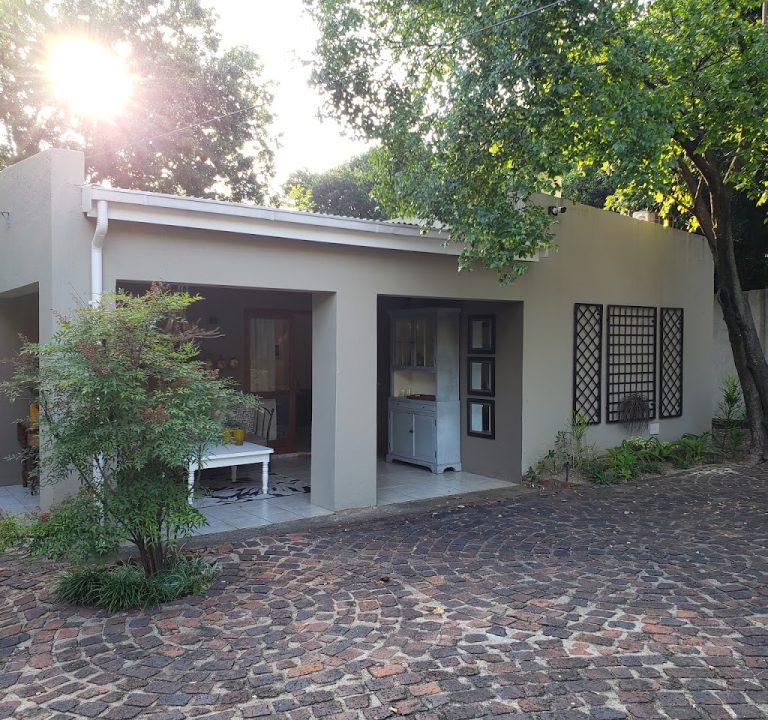
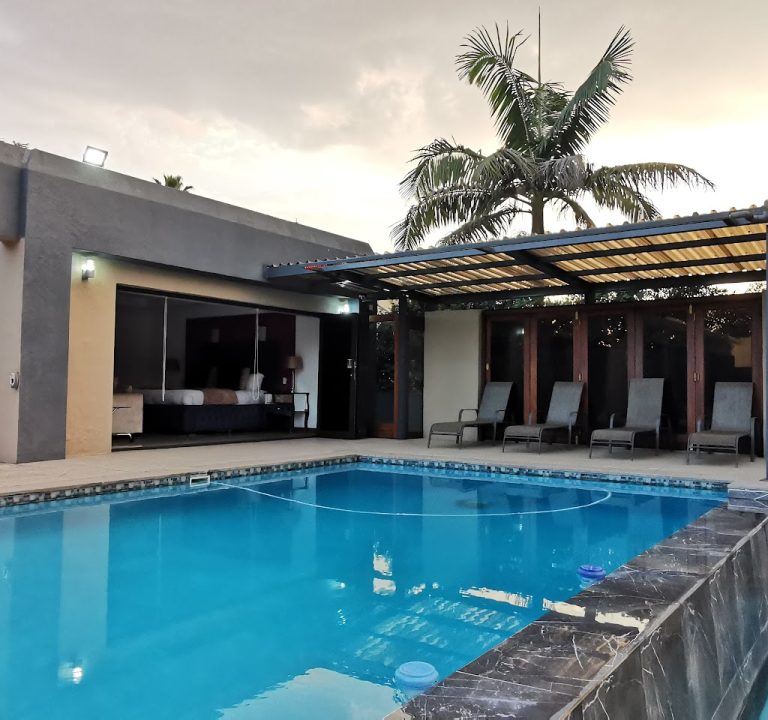
For a sense of a well-rounded stay, look for properties that provide a balanced mix of privacy and social spaces. A stay at places such as Gallo Manor Executive Bed & Breakfast, for example, can illustrate how a thoughtfully appointed B&B blends homely comfort with convenient access to major routes and attractions. These kinds of properties often feature open spaces, pool areas, and well-reviewed breakfast options, coupled with dependable transport links. You can explore details and availability on their website at Gallo Manor Executive Bed & Breakfast.
When you arrive, plan your days with a flexible rhythm. Mix high-energy urban activities with restorative downtime—a morning visit to a museum or market, followed by a relaxed lunch and an afternoon walk in a park or along a promenade. For dining, Johannesburg’s restaurant scene offers a spectrum from casual cafés to refined eateries, with a focus on bistro fare, contemporary South African cuisine, and international options. Many venues highlight seasonal ingredients and vibrant, cosmopolitan atmospheres without relying on extravagant price points.
Finally, keep a few practical tips in mind. Confirm what is included in your rate, such as breakfast, parking, and wi-fi, and verify cancellation terms. Check recent guest reviews for insights into cleanliness, staff helpfulness, and any neighbourhood concerns. Have a rough daily plan but leave space to discover new places on foot or by short rides. With careful planning, a stay in Johannesburg can be a rich blend of comfortable accommodation, dining experiences, and engaging attractions that reflect the city’s energy and diversity.