Accommodation and attractions in Johannesburg, Gauteng: planning a comfortable stay
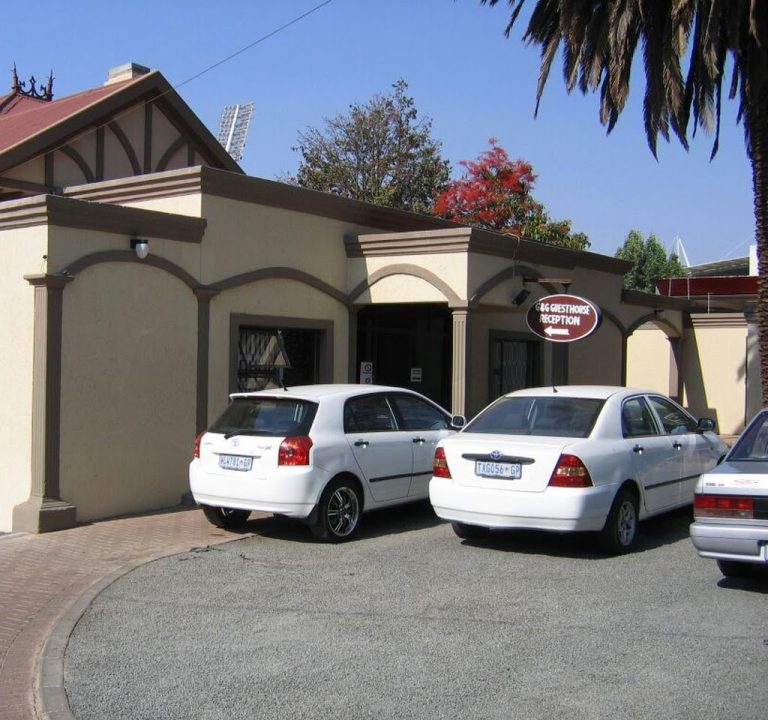
Johannesburg, often referred to as Jo’burg or Joburg, offers a dynamic mix of modern hotels, stylish guesthouses, and character-filled lodges. When planning a stay, consider the areas that suit your itinerary, whether you want easy access to business districts, buzzing food and arts scenes, or venturing into township heritage routes. In general, mid-range to boutique properties tend to prioritise generous Wi‑Fi, secure parking, and friendly staff who can help tailor day trips to suit interests and energy levels. A reliable choice for travellers looking for a solid city-centre base is G-Lodge Hotel, which exemplifies the kind of well-located, comfortable accommodation that blends convenience with a touch of local flavour.
Key areas to consider include Sandton for shopping and business links, Rosebank for a stylish, walkable neighbourhood with markets and easy transport access, and Braamfontein or Maboneng for a more artsy, urban vibe close to dining and nightlife. If you prefer scenic tree-lined streets and tranquil parks, the northern suburbs like Illovo or Hyde Park may offer a calmer stay with access to executive-style hotels and residential guesthouses. For a more immersive experience, look for accommodation near Soweto or in the vicinity of the central business district, where boutique hotels and guesthouses provide a gateway to diverse heritage and guided tours.
When booking, consider the following practical factors. First, transport and access: Johannesburg is sprawling, and many attractions are spread out. A property with easy access to major highways or public transport (such as rail links or bus routes) will save time. If you plan day trips to Soweto or the Cradle of Humankind, a car or a hotel with thoughtful concierge guidance can be very helpful. Second, safety and setting: read recent guest reviews about neighbourhood safety, access control, and street lighting, especially if you plan to stroll after dark. Third, amenities that support a comfortable stay: reliable Wi‑Fi, a good breakfast, secure parking, laundry facilities, and options for early check-in or late check-out can make a big difference for long stays or work trips.
Typical accommodation options span from boutique hotels and refined B&Bs to modern high-rise hotels and family-run lodges. Expect well-appointed rooms with air conditioning or heating, en-suite bathrooms, and practical conveniences like tea and coffee making facilities, a work desk, and thoughtful touches such as blackout curtains and ample charging points. Many properties offer on-site dining, or have close access to a curated selection of local restaurants. For leisure travellers, a pool, fitness room, or cosy communal spaces can enhance downtime after busy days of sightseeing or meetings.
Attractions and experiences in Johannesburg are diverse and often easily combined with a stay. Cultural highlights can include museums detailing the country’s complex history, heritage centres that narrate pivotal moments in South Africa, and interactive exhibitions that appeal to curious travellers of all ages. For a broader sense of the city’s creativity, explore neighbourhoods renowned for street art, markets, and independent galleries, where guided walking tours or self-guided routes reveal the pulse of urban life. Nature seekers may enjoy nearby parks, botanic gardens, or nature reserves within a short drive. Family-friendly outings and day trips to historical townships, with thoughtful, respectful stewardship, offer meaningful context to the city’s dynamic present.
Dining in Johannesburg ranges from modern South African cuisine to international fare, with many venues emphasising seasonal ingredients and inventive menus. In diverse districts you can expect a mix of casual cafés, chic bistros, and traditional eateries offering hearty, home-style dishes. For visitors, planning is helped by checking menus online in advance, reserving at popular spots, and allowing flexibility in the day’s plan to accommodate a late lunch or early supper depending on attractions or shopping momentum.
Best time to visit Johannesburg is generally from late spring to autumn (roughly September to April), when the days are longer and landscapes are lush. Summer afternoons can bring thundery showers, so it’s wise to carry a light rain layer and sun protection. Winter (May to August) is cooler and dry, which some travellers prefer for comfortable sightseeing and clearer city views from higher elevations. If you’re combining a safari day trip or weekend excursion to nearby natural areas, coordinate departures to maximise daylight hours and avoid peak traffic periods in the city.
Practical tips for a smooth stay include packing adaptable layers for variable weather, keeping a small amount of local currency for markets, and downloading offline maps or travel apps in case mobile reception is patchy in certain districts. Gentle reminders about safety mean sticking to well-lit streets after dark, using licensed transport options, and sharing itineraries with a friend or family member. Itineraries can be flexible, with morning museum visits followed by a stroll through a vibrant market, then an afternoon coffee in a trendy precinct or a sunset at a skyline viewpoint. For longer stays, consider a day or two exploring surrounding Gauteng towns or natural areas to balance city energy with outdoor time.
In short, Johannesburg rewards thoughtful planning: selecting a well-situated base, booking essential amenities in advance, and balancing cultural and culinary discoveries with moments of rest. Whether you choose the modern conveniences of a city-centre hotel, a characterful guesthouse in a scenic precinct, or a lodge with easy access to transport links, a well-planned stay can open doors to a rich itinerary of attractions, dining, and local experiences that capture the essence of Gauteng.