Johannesburg: Accommodation, Attractions and Practical Planning for Visitors
Johannesburg, the bright heart of Gauteng, blends a cosmopolitan cityscape with rich history and vibrant neighbourhoods. When planning a stay, you’ll find a wide range of accommodation to suit different styles and budgets, from boutique guesthouses tucked in leafy suburbs to larger city hotels that put you within easy reach of business districts, cultural sites, and city lights. To make the most of a visit, think about where you’ll spend your days and what kind of pace you want, then choose a base that minimises travel time and maximises convenience.
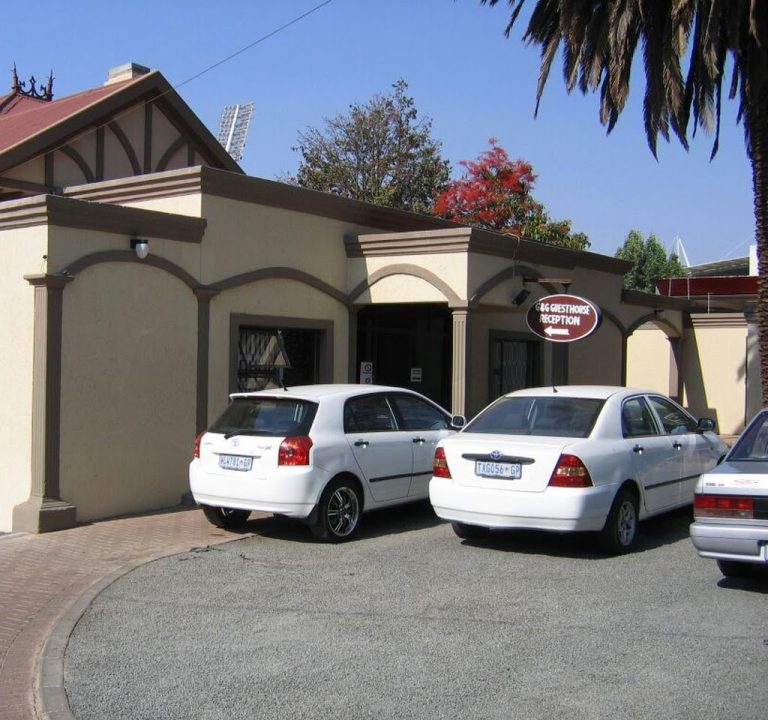
Areas to consider include central Braamfontein and Newtown for walkable city living with museums, galleries and a lively dining scene; Rosebank and Sandton for upscale shopping and business-friendly stays; and Maboneng or Gauteng’s more eclectic hubs for a trendier, artsy vibe. If you’re seeking a close-to-history experience, Soweto offers an immersive glimpse into South Africa’s past and present, while the northern suburbs around Sandton provide modern hotels with easy access to corporate precincts and high-end eateries. In central suburbs, a mid-range option such as Ellis Park Hotel represents a practical choice for travellers who value proximity to transport hubs and nightlife without compromising comfort.
Typical amenities you might expect in Johannesburg accommodation include en-suite bathrooms, free Wi‑Fi, complimentary breakfast, safe parking, and 24‑hour reception. Many properties also offer extras such as swimming pools, fitness facilities, on-site restaurants, and business services like meeting rooms or co-working spaces. When booking, check whether breakfast is included, what the cancellation policy allows, and whether there are any extra charges for parking or city taxes. If you’re travelling with family or a group, ask about family rooms, suites, or interconnecting options. For longer stays, look for apartment-style stays or serviced suites that provide kitchen facilities and a living area.
Transport is a key planning factor in Johannesburg. The city has a growing network of rail, road, and rideshare options, and staying near a taxi stand or transport hub can save you time. The Gautrain provides rapid rail links to Pretoria and O.R. Tambo International Airport, while local taxis and rideshare services can be reliable for shorter trips. If you’re renting a car, verify parking arrangements and whether the property offers secure on-site spaces. For day trips, consider pre-booking a guided Soweto or township tour as a way to balance convenience with local insight.
Best time to visit Johannesburg is typically during the dry winter months from May to August. The weather is pleasant for city sightseeing and outdoor markets, and you’ll experience cooler evenings ideal for dining out. Spring and autumn offer mild temperatures and good light for photography in the city’s parks and street art alleys. Summer can be warm and rainy, so carry a light rain jacket and plan indoor alternatives for heavy showers. If you’re a culture lover, coordinate your stay with seasonal exhibitions, markets, and live music events, which are common across the city’s taking places.
When planning activities, Johannesburg has a wealth of experiences to consider beyond museums and galleries. World-renowned historical and cultural sites provide context and storytelling about South Africa’s journey, while modern precincts showcase contemporary cuisine, street art, and craft-ateliers. Food lovers can expect a diverse culinary scene, from modern bistros and rooftop bars to traditional braai spots and markets where you can sample regional flavours. For families and curious travellers, city parks, gardens, and outdoor spaces offer relaxing days with chances to see local wildlife in urban settings.
Practical tips to help your stay run smoothly:
- Book accommodation with easy access to public transport or a reliable rideshare service to reduce travel time between attractions.
- Choose a neighbourhood based on your planned activities—business or shopping-focused stays in central districts; culture and dining in Maboneng or Newtown; or a quieter base in northern suburbs.
- Confirm breakfast options, parking availability, and any additional fees (city tax, late check-in, or security deposits) before arrival.
- Pack comfortable footwear for long city strolls and a light layer for cooler evenings, especially in winter.
- Plan some flexibility for weather-related changes, particularly if you want outdoor experiences or markets.
For a balanced itinerary, think of a mix of indoor exploration and outdoor or street-life experiences. In addition to general sightseeing, consider exploring the city’s diverse culinary scene and local craft markets. For visitors seeking historical context, guided tours that illuminate South Africa’s complex past can be both educational and moving. A stay in Johannesburg can be comfortable and convenient when you align your accommodation with your planned activities and preferred pace of travel.
If you’re looking for accommodation examples to start from, a city option such as Ellis Park Hotel can provide a central base with straightforward access to transport routes and nearby eateries. For additional ideas, consult official city resources or tourist information pages to tailor your itinerary to your interests and the length of your stay. See City of Johannesburg resources for practical planning guidance and local events, or explore general Johannesburg tourism information for area highlights and resident-friendly experiences:
Helpful links: City of Johannesburg official site, Joburg Tourism