Staying in Riebeek-Kasteel: accommodation and planning a visit in the Western Cape
Riebeek-Kasteel is a charming village set in the Swartland wine region of the Western Cape, known for its olive groves, dramatic mountain backdrop and relaxed pace. Whether you prefer a cosy guest house, a boutique hotel, or a self-catering cottage, there are plenty of options that suit different itineraries and budgets. When planning a stay, it helps to think about where you will be based, what you want to see nearby, and how you like to spend your days.
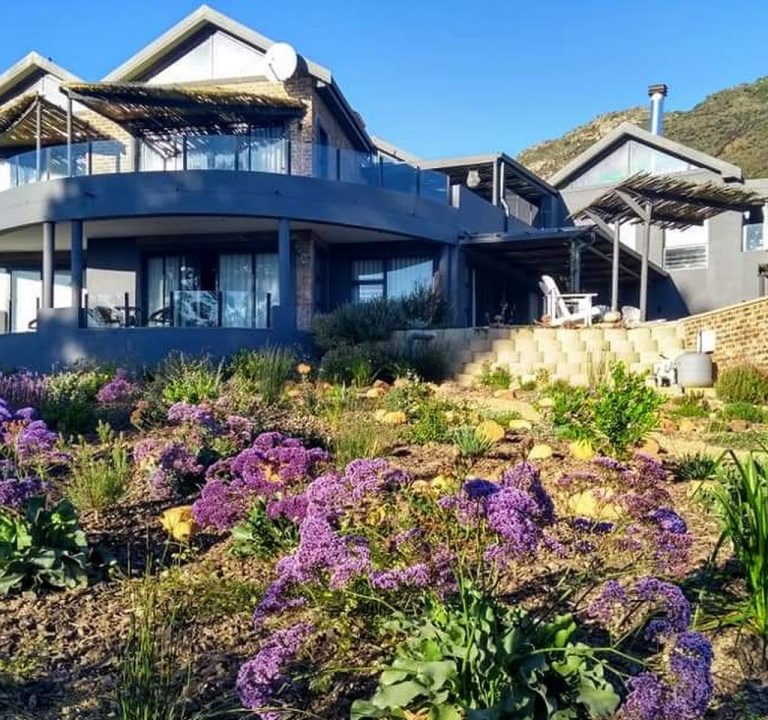
Accommodations in Riebeek-Kasteel range from intimate guest houses in the heart of the village to more secluded boutique properties tucked along edge-of-town lanes. If you are seeking a traditional, guest-forward experience, a guest house like Fynbos Cottage (as an example of the local hospitality scene) can offer a warm, personal welcome with en-suite rooms, homemade breakfasts, and easy access to both village facilities and surrounding countryside. For longer visits or family trips, self-catering cottages or small villas provide flexibility for meals at your leisure and space for guests or children to unwind after a day touring the area. Regardless of style, you’ll typically find thoughtful touches such as comfortable beds, private parking, and options for wireless connectivity.
Areas to consider when choosing where to stay include the village centre, where you’ll be within easy reach of cafés, deli counters, and small shops, as well as locations a short drive from olive groves or vineyard trails. A stay on the outskirts or along quieter lanes offers a more tranquil ambience and often scenic views of vineyards and valley landscapes. If you value walkability, a central guest house or hotel within the historic core makes it simple to explore on foot, while a more secluded cottage can be ideal for a romantic break or a countryside escape.
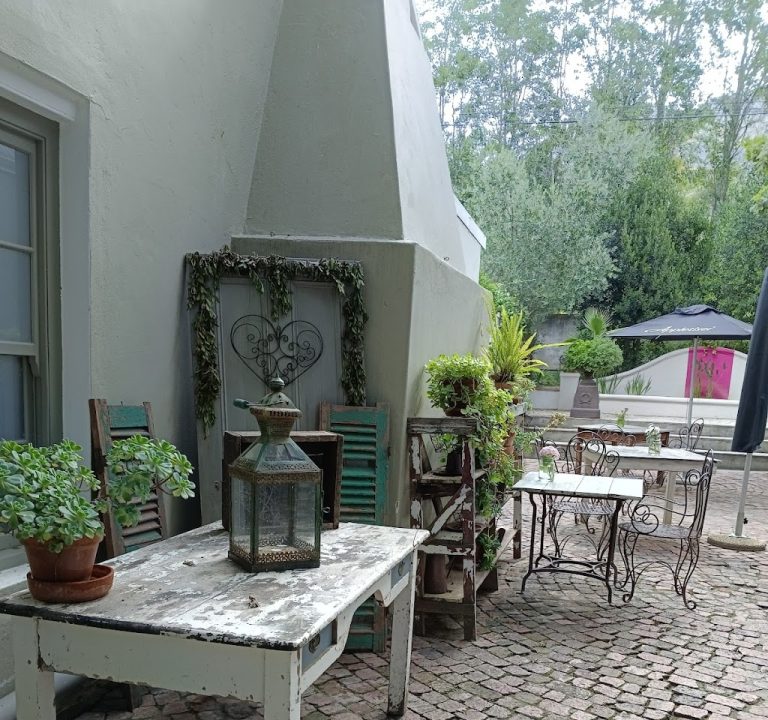
Typical amenities you might encounter include en-suite bedrooms, private entrances, comfortable common areas, and dining options such as a prepared breakfast or a kitchenette for self-catering. Many properties provide free parking, reliable Wi‑Fi, and garden or patio spaces to enjoy the outdoor climate. Some guest houses may offer additional touches like a swimming pool, shaded outdoor seating, or bicycle storage for guests keen to explore on two wheels. When booking, check whether meals are included, whether kitchen access is available, and if there are any restrictions around check-in times or pet allowances.
Planning a stay in Riebeek-Kasteel often involves balancing countryside activities with village life. The area is renowned for scenic drives through the Swartland, opportunities to sample local wines and olive products, and easy access to nature trails that showcase the region’s flora and panoramic views. In the village, you can expect a friendly, relaxed atmosphere with cafés and eateries offering farm-to-table fare, light meals, and locally sourced ingredients. For guests seeking cultural or culinary experiences, look for organised farm visits, market days, or guided tastings hosted by local producers, as these provide insight into the community’s heritage and agricultural practices.
Transport is straightforward for most visitors. The village is accessible by road from Cape Town and surrounding towns, with car hire widely available at regional gateways. If you prefer not to drive, check whether your accommodation provides airport transfers or private transport arrangements. Within Riebeek-Kasteel, streets are walkable and safe for a leisurely stroll to the shops and eateries, while a car becomes convenient for day trips to nearby towns, olive oil mills, and wine estates.
The best time to visit depends on what you hope to experience. Spring (September to November) brings colour to the valley with flowers and mild weather, ideal for outdoor activities. Summer days are warm and bright, perfect for vineyard tastings and scenic drives, while autumn can offer cooler evenings and comfortable daytime temperatures. Winter is cooler and quieter, with a cosy ambience in village guest houses and the chance to enjoy fireside moments in the evenings. Consider your preferred climate and any seasonal events when planning your itinerary.
Practical tips to help you enjoy your stay:
- Book in advance if you plan to visit during harvest periods or holiday weekends, as rooms can fill quickly.
- Expect variable mobile reception in some rural parts; check your accommodation’s Wi‑Fi policy if you need reliable internet.
- Pack layering options for changing temperatures, especially if you plan outdoor excursions in the early morning or evening.
- Consider a flexible itinerary that includes both town-centre activities and time to simply unwind in the countryside.
- Look for accommodations with clear access to central facilities, private parking and a breakfast offering or kitchen facilities for self-catering.
For those seeking inspiration on where to begin, you can explore general visitor information and travel ideas at regional tourism resources, and browse accommodation pages that highlight local hospitality values. If you wish to learn more about the village’s offerings and how to plan a stay around the area, you can visit official local tourism sites and the websites of individual properties for detailed descriptions and booking options. Consider starting with a base in the village centre to minimise travel time, then branch out to nearby farms and viewpoints as your schedule allows.