Riebeek-Kasteel: Where to stay and what to do in a picturesque Western Cape town
Riebeek-Kasteel sits in the scenic Swartland region of the Western Cape, just a short drive from the coast and the dramatic Kasteelberg. It is a charming base for travellers who favour relaxed slow travel, seasonal food, and easy access to vineyards, olive groves and rugged countryside. When planning a stay, consider the village’s compact layout: a central square surrounded by farms, guesthouses, self‑catering cottages and restaurants, with a backdrop of rugged hills that invite daily exploration.
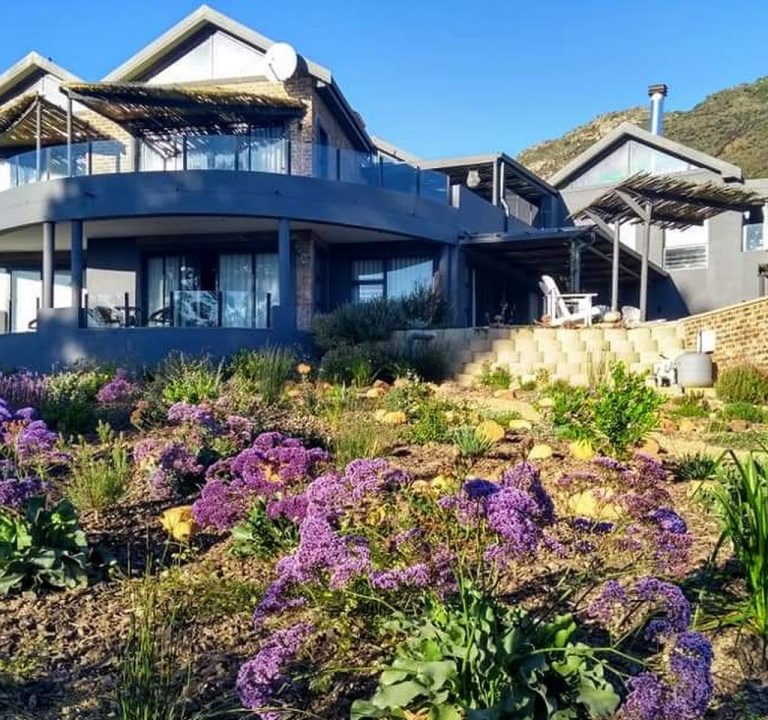
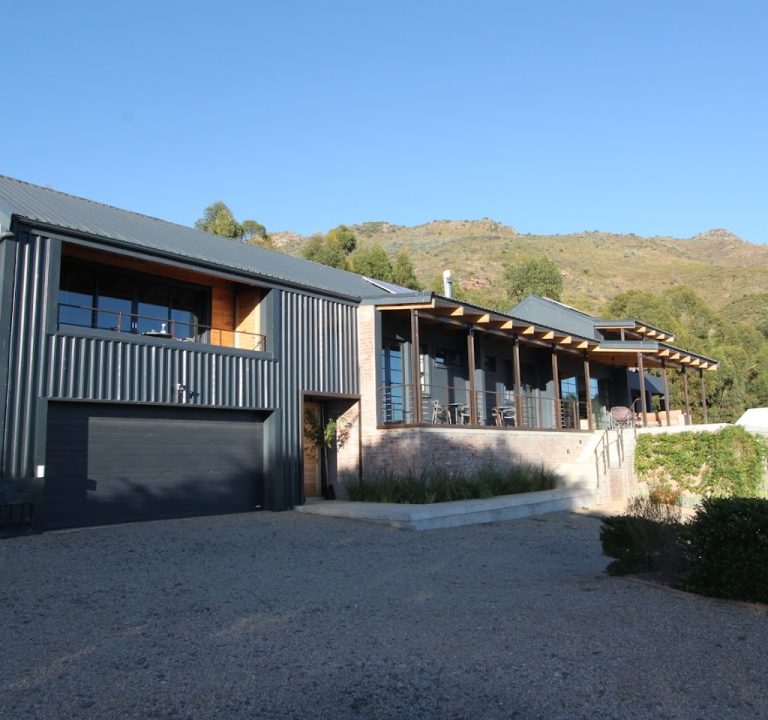
Accommodation options in Riebeek-Kasteel range from intimate guesthouses to self‑catering retreats and boutique lodges. For visitors seeking a home from home, self‑catering options such as Die Kasteel offer a convenient, comfortable base with kitchen facilities and private spaces. If you prefer more social surroundings, a guesthouse or small boutique hotel in the historic heart of the town can provide reception services, organised local outings, and easy access to shops and eateries. Regardless of type, look for properties with a kitchen or kitchenette, reliable heating or cooling, and en suite bathrooms. A welcome pack with local produce and pantry staples can be a helpful start to a stay in the countryside.
When choosing where to stay, consider which area best suits your plans. The central square is perfect for easy strolls to cafés, bakeries and small galleries, with a sense of walking back in time to a town that has preserved its architectural charm. For a quieter break, look for accommodations on the outskirts or along the surrounding lanes that lead toward vineyard steps and olive groves. If you’re exploring a longer itinerary that includes neighbouring towns, pick a base that offers straightforward routes for day trips—think short drives to wine farms, farmers’ markets and nature trails rather than long motorway journeys.
Typical amenities to expect include complimentary parking, Wi‑Fi, and in‑room facilities such as tea and coffee making, quality bedding and views of the valley or garden. Self‑catering properties should provide cooking equipment, cooking utensils, and adequate dining space. Some hosts offer personalised touches—such as homegrown ingredients or recommendations for seasonal produce from local farms—that can make a stay memorable while still being affordable.
Practical planning tips help you maximise a visit to Riebeek-Kasteel. First, consider the best time to travel. Spring (August to October) and autumn (March to May) bring mild temperatures and quieter streets, ideal for long walks, market visits and lazy lunches al fresco. Summer can be warm, with occasional heat on the valley slopes, while winter is cooler and the countryside takes on a dramatic, russet-hued landscape after the harvest season. Pack layers, a sun hat, and sturdy walking shoes for hillside tracks and vineyard paths. Riebeek‑Kasteel is a walkable town, but car hire or a designated driver makes exploring the wider Swartland region more convenient, especially if you plan to visit multiple farms or coastal towns in a day.
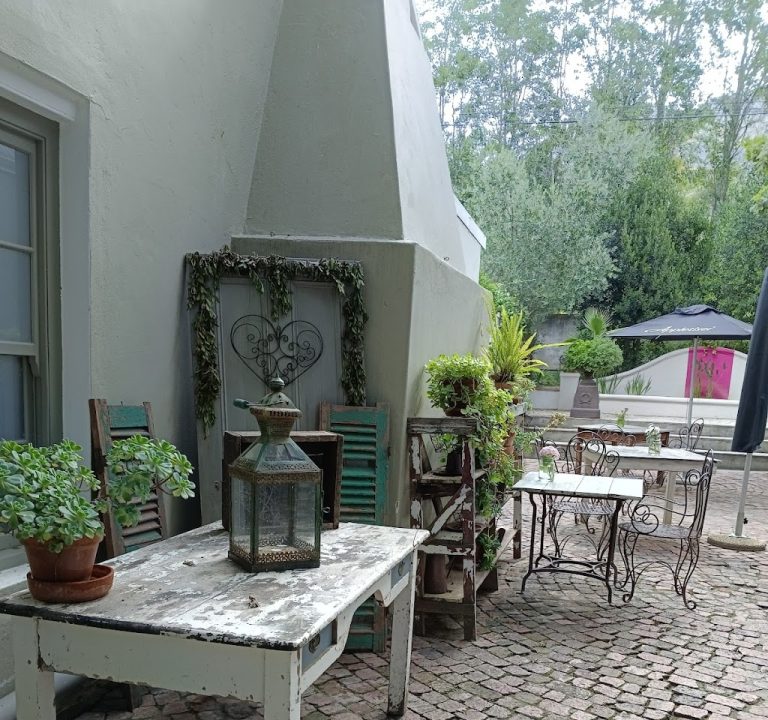
Transport within the region is most practical by car, with parking generally straightforward near the village centre. If you arrive by public transport, check the latest local timetable options or arrange a shuttle from your accommodation. For guests staying in self‑catering units, stocking up on essentials before driving to a rural retreat helps keep evenings simple and enjoyable. Local groceries can provide fresh bread, cheese, seasonal fruits, olives and wine, which pair perfectly with a relaxed evening in a courtyard or garden setting.
About activities, Riebeek-Kasteel offers a calm pace with rewarding experiences. You can wander the streets to observe the town’s architecture and artisanal shops, visit family‑run tasting rooms or small galleries, and enjoy meals at restaurants that showcase regional produce in seasonal dishes. The surrounding countryside invites pleasant walks and easy hikes with views across rolling vineyards and olive groves. In peak harvest season, you may encounter farmers’ markets or seasonal produce stalls where you can sample fresh regional fare and meet local growers.
When planning day trips, consider nearby towns and nature reserves for a broader Swartland experience. The region is dotted with vineyards and fruit farms, so a planned winery visit or a farm-to-table lunch makes a classic outing. Incorporating a short drive to a coastal town or nature reserve can provide a change of scenery without long travel times, ensuring you return to your comfortable base each evening.
Booking tips to keep in mind: read guest reviews for insight into cleanliness, quiet hours, and host responsiveness; check cancellation policies and whether the property offers flexible dates; and verify what is included in the rate—kitchen essentials, toiletries, and daily housekeeping can vary. If travel plans are flexible, look for properties that allow a late check‑in or a quiet space for uninterrupted evenings, particularly if you’re planning a slower itinerary that revolves around relaxed meals and a gentle pace.
For further information on planning a stay in the Western Cape and specific guidance on Riebeek-Kasteel, you can explore official tourism resources and local websites. They offer practical planning tips, maps and suggestions for finding accommodation, dining and activities that align with a traveller’s interests and budget. Exploring the area with a light itinerary and a flexible day-to-day plan often yields the most enjoyable and authentic experience of this rural corner of the Western Cape.
Website: Die Kasteel self‑catering is an example of the variety available in Riebeek-Kasteel for visitors seeking a home base with self‑contained facilities. For broader planning ideas and to discover more about the region, consider visiting official tourism pages and local accommodation listings.