Accommodating Cape Town: Where to stay, what to expect, and how to make the most of your visit
Cape Town sits between sea and mountain, offering a wide range of places to rest your head after days spent exploring. From intimate B&Bs nestled in leafy neighbourhoods to stylish hotels along the Atlantic Seaboard, the city accommodates every traveller’s preference and budget. When planning a stay, it helps to think in terms of location, pace, and access to the city’s iconic sights and neighbourhood flavours. A well chosen base can cut transit time, maximise daylight, and put you within easy reach of world‑class dining, markets, and nature trails.
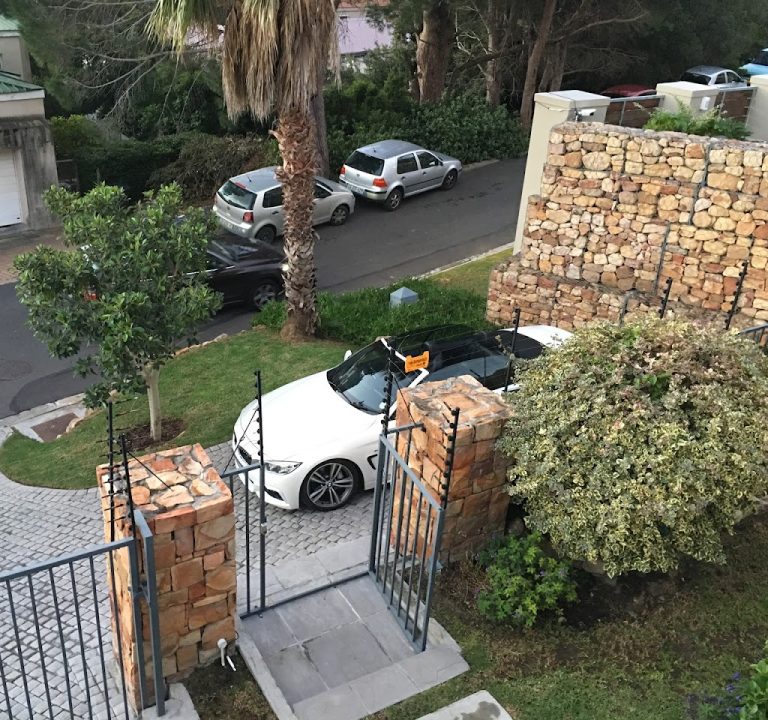
Frogs Hill, a charming bed & breakfast option, exemplifies the kind of intimate, hospitality‑driven stays that are commonly found in Cape Town. Such properties often combine a personalised touch with comfortable rooms, a generous breakfast, and insider recommendations for day trips and restaurants. If this kind of accommodation appeals, search for B&Bs that emphasise authentic local character, friendly hosts, and clear information about amenities and transport links. In contrast, larger hotels and boutique properties along the coast may offer spa facilities, on‑site dining, and easier access to beaches and nightlife. Both styles can be excellent bases depending on your priorities.
Areas to consider when selecting a base include:
- City Centre and the Bo-Kaap: Central yet walkable, with easy access to museums, cultural attractions, and a wide range of dining options.
- V&A Waterfront and the Atlantic Seaboard: Proximity to the harbour, beaches, and a breadth of upscale restaurants and bars, often with sea views.
- Green Point and Mouille Point: A practical blend of residential calm and coastal sport, close to the waterfront paths and stadiums.
- irregular but popular Constantia and Kalk Bay areas: For tranquil stays with easy access to wine routes, coastal villages, and mountain scenery.
When booking, look for amenities that save time and improve comfort. Practical considerations include reliable Wi‑Fi, easily accessible public transport or parking, a generous breakfast, air conditioning or heating, and clear safety information. If you are travelling with family or a group, request details about room configurations, suitability for children, and any restrictions on late arrivals or noise. For those who prefer a self‑catering option, some guesthouses offer small kitchenettes or shared kitchens in addition to private rooms.
Transport in Cape Town ranges from convenient guided options to autonomous exploration. The MyCiTi bus network is a straightforward way to travel between key hubs, while Uber and other ride‑hailing services are widely used for shorter hops and evenings out. If your accommodation provides parking, it simplifies day trips to the Cape Peninsula, Kirstenbosch Botanical Garden, or winery estates in Constantia. For visitors staying near the city centre, a combination of walking and short rides often suffices to visit major sights, markets, and harbour promenades.
The best time to visit depends on what you hope to experience. The summer months (December to February) bring longer days and warm coastal weather, ideal for beach strolls and outdoor dining. Spring (September to November) and autumn (March to May) offer milder temperatures, lighter crowds, and beautiful natural light for photography. Winter (June to August) can be cooler and wetter, yet this period also brings fewer crowds and opportunities to enjoy indoor galleries, markets, and cosy eateries. Pack layers, a light rain shell, and sunscreen year‑round, as Cape Town’s microclimates can vary significantly by area and altitude.
To make the most of a stay, consider a balanced itinerary that blends natural beauty, culture, and dining. Morning hikes or cable‑car rides up Table Mountain are popular ways to begin a day, followed by a stroll through historic districts or a visit to Kirstenbosch Gardens. Afternoon can be reserved for a coastal drive along the Atlantic Seaboard, stopping at viewpoints and beaches, then a relaxed dinner in a neighbourhood with a mix of casual bistros and contemporary eateries. For longer stays, a day trip to the Cape Peninsula, including the iconic cape point and coastal villages, offers a satisfying contrast to city life. If wine interests you, the Constantia and nearby Stellenbosch regions provide picturesque estates and cellar door tastings to complement your Cape Town stay.
Practical planning tips:
- Check accessibility and transit times from your chosen base to major attractions to avoid long commutes during peak traffic.
- Book accommodation with clear cancellation policies and current travel advisories in mind.
- Look for hosts or properties that can arrange reliable airport transfers or speedy local guidance for day trips.
- Respect local safety guidelines, especially when exploring markets and busy areas after dark.
For ideas on where to stay and what to do, the Cape Town tourism site offers practical overviews, maps, and suggested itineraries. You can explore accommodation options, from intimate B&Bs like Frogs Hill to larger venues, each with a distinct character that complements the city’s diverse attractions. With careful planning, Cape Town can offer a vibrant blend of scenic coastlines, cultural experiences, and memorable meals that suit every traveller.