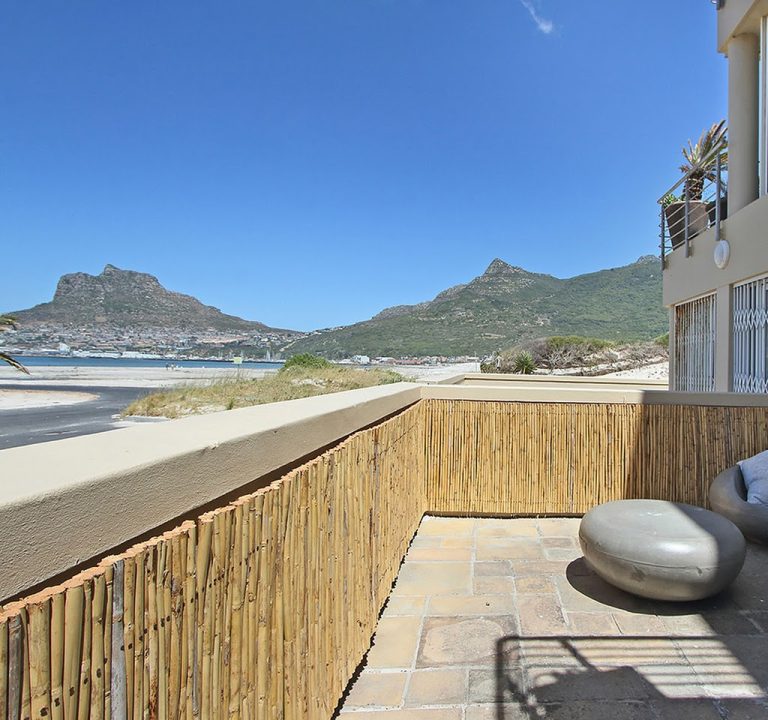
Where to stay and what to do in Cape Town, Western Cape
Cape Town offers a diverse mix of accommodation styles set against an iconic backdrop of mountains, coastline and historic neighbourhoods. From sleek city-centre apartments to sun-lit seaside hotels along the Atlantic Seaboard, and leafy guesthouses in the Constantia valley, there are options to suit a range of budgets and travel tastes. When planning a stay, consider which neighbourhood best aligns with your interests, how you want to get around, and the type of comforts that will make your visit most enjoyable.
Key areas to consider include the city bowl and central business district for easy access to museums, markets and dining, the vibrant Victoria & Alfred (V&A) Waterfront for a waterfront atmosphere and parent-city conveniences, and the Atlantic Seaboard (e.g., Camps Bay and Sea Point) for beach access and dramatic sea views. Constantia and Hout Bay offer a quieter, more residential feel with wine estates and coastal trails nearby. If you’re likely to spend long days exploring iconic sights, a central base with good transport links can save time, while a more resort-style location can provide bigger pools, relaxed afternoons and scenic drives along Chapman’s Peak or coastal routes.
Typical amenities to look for include reliable Wi‑Fi, secure parking if you’re renting a car, breakfast options (whether included or available on-site), and guest facilities such as a swimming pool, gym, or lounge areas. Some properties may offer curated experiences, from guided hikes on Table Mountain to private tours of nearby wine estates. When booking, verify accessibility (elevators, stairs), room configurations (king or twin beds, en-suite bathrooms), and whether air conditioning or heating is available to maximise comfort across seasons.
Transport in Cape Town is relatively straightforward but can vary by area. If you plan to explore beyond the immediate neighbourhood, a hire car offers freedom to reach attractions such as the Twelve Apostles, Cape Point, and wine routes. Alternatively, many hotels and guesthouses provide shuttle services or can arrange private tours. The city also has a reliable bus network and ride-hailing services, which are convenient for shorter hops into town or along the Atlantic Seaboard. When staying near the Waterfront or Canary Wharf-adjacent areas, you’ll find pedestrian-friendly routes and easy access to ferries and museums.
Best time to visit Cape Town depends on your priorities. The summer months (roughly November to February) bring warm, dry days ideal for beach outings, sailing, and outdoor activities. Spring (September to November) and autumn (March to May) offer milder weather and excellent visibility for hiking and sightseeing, with fewer crowds. Winter (June to August) is cooler and wetter, but you can still enjoy city museums, markets, and nearby scenery with fewer visitors. Coastal drives and wine-tasting regions can be enjoyable year-round; just pack layers for fluctuating temperatures and occasional gusts by the sea.
When it comes to planning an itinerary, balance outdoor adventures with cultural experiences. A day trip to Cape Point or Chapman’s Peak Drive (weather permitting) offers dramatic coastal scenery. The Constantia valley is famed for its wine estates and scenic views, while Kirstenbosch National Botanical Garden provides tranquil trails set against Table Mountain. In the city, you can explore the Bo-Kaap’s colourful streets, learn about local history at museums and heritage sites, and wander markets for crafts and street food. For a wider dining scene, Cape Town’s restaurants are known for seafood, African-inspired flavours, and modern fusion cuisine, often with views over the harbour or sea. Look for places that source seasonal ingredients and offer contemporary takes on regional dishes, then pair meals with South African wines or craft beverages from nearby producers.
Accommodation examples to consider include hotels, guesthouses, and boutique lodges. A hotel such as Chapmans Peak Hotel provides a coastal base with access to the surrounding mountain and sea routes, together with on-site meals and ceremony or event spaces that suit travellers seeking a straightforward stay without sacrificing scenery. For those who want a more intimate atmosphere, a boutique guesthouse in a quieter neighbourhood can offer personalised service, a home-like vibe, and a compact, well-appointed room. If you are visiting with family or a group, serviced apartments or longer-stay options can provide practical living space, kitchen facilities, and a central location for day trips.
Practical tips for booking and staying in Cape Town:
- Check elevation and views: some rooms offer mountain or sea panoramas, which can influence price and noise levels.
- Confirm parking and transport options, especially if you plan to drive or rely on taxis and rideshares.
- Ask about breakfast formats, proximity to public transport, and access to nearby markets or eateries.
- Consider travel insurance and flexibility in cancellation policies, particularly in shoulder seasons when weather can be variable.
- Plan day trips with daylight hours in mind; Table Mountain and other outdoor activities are best experienced when visibility is good and wind conditions are suitable.
For those seeking a convenient coastal base, Cape Town combines natural splendour with a dynamic culinary and cultural scene. Whether you prefer a stylish hotel near the V&A Waterfront, a serene guesthouse inland, or a seaside retreat along Camps Bay, there are abundant options to suit your style. Explore the official sites of accommodation providers for detailed facilities and current offers, and remember to reserve with enough lead time to secure rooms that match your preferred dates and amenity requirements. A well-chosen base can enhance every moment of your Cape Town stay, from sunrise viewpoints to sunset dinners by the sea.
Example link: Chapmans Peak Hotel – http://www.chapmanspeakhotel.co.za/