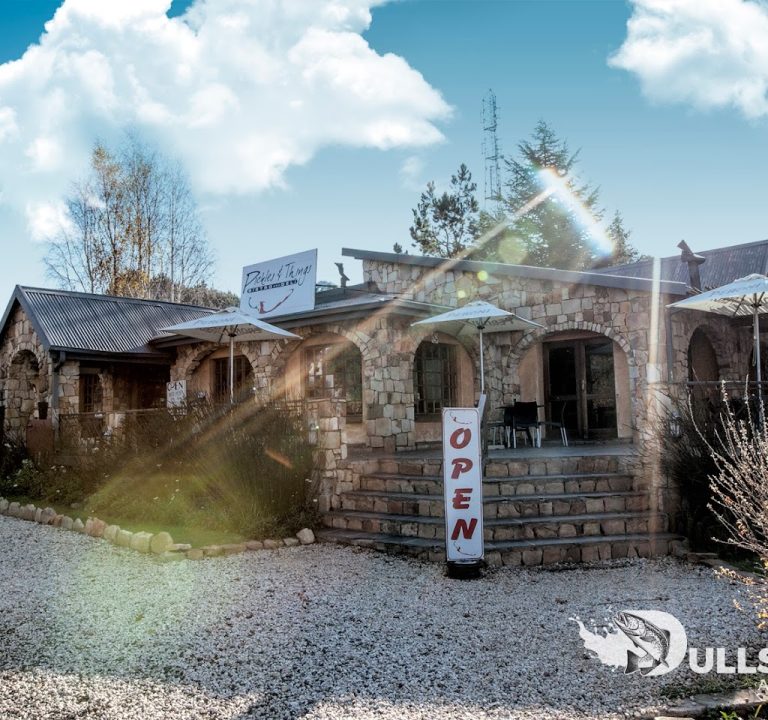
Stay in Dullstroom: a guide to accommodation and experiences in Mpumalanga
Dullstroom sits in the highlands of Mpumalanga, a stone’s throw from the scenic valleys and grassland plateaus that characterise this region. When planning a stay, visitors typically weigh location, style of accommodation and the kind of activities they want to enjoy. Whether you prefer a cosy self‑catering option, a rustic guesthouse, or a boutique lodge with characterised decor, Dullstroom offers a range of choices that suit different itineraries and budgets.
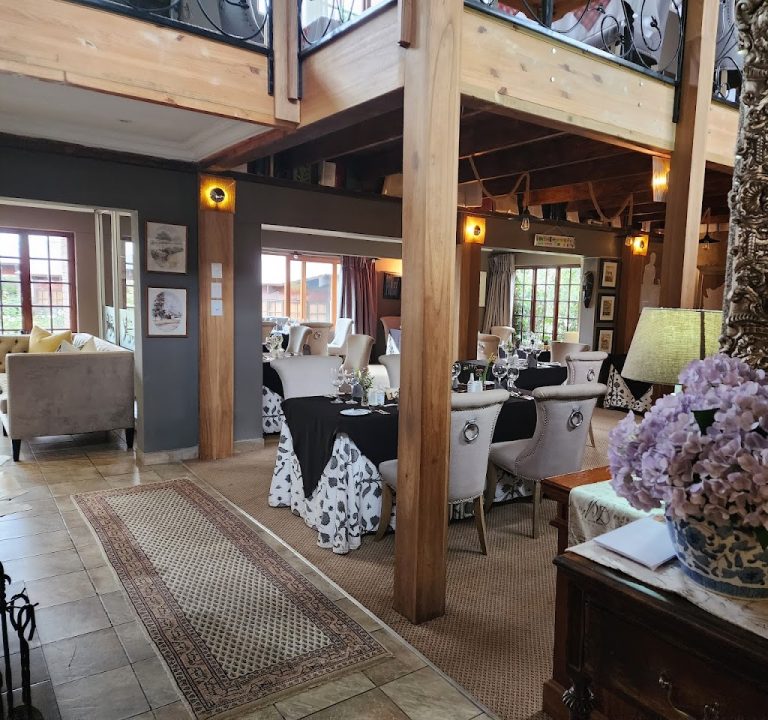
Accommodation in Dullstroom often falls into a few broad categories. Self‑catering cottages and apartments are popular for families and groups who value flexibility and a home‑from‑home feel. Guesthouses and small hotels provide a more managed experience with housekeeping, meals on request, and onsite staff to help plan activities. For those seeking a fully immersive stay, lodges in the surrounding countryside can offer tranquil spaces, wide balconies and direct access to nature trails. When selecting a base, consider how close you want to be to the town’s cafés and shops versus the quieter, rural edge of the escarpment.
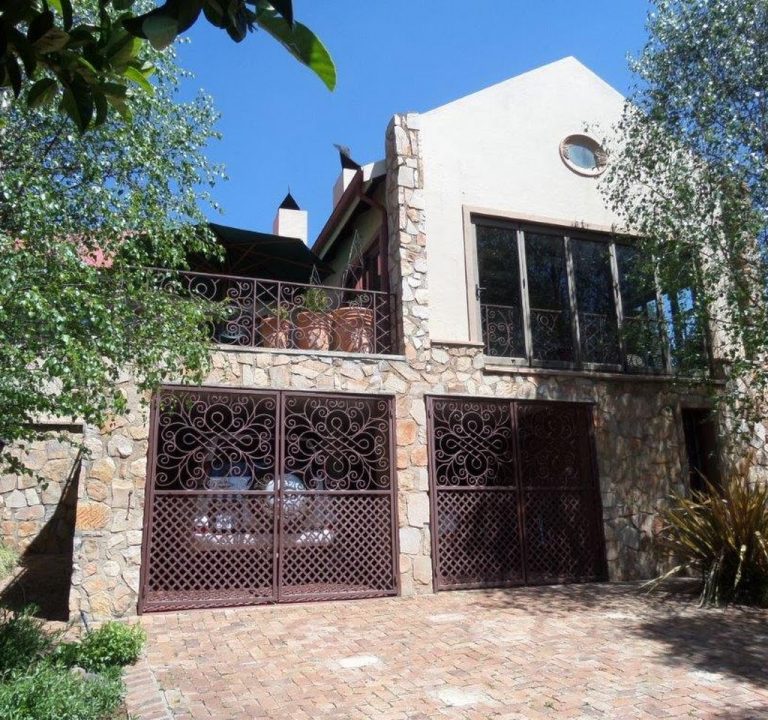
Fox & Hound Self Catering Accommodation is one example of the self‑catering style available in Dullstroom. Properties of this type typically emphasise practical, comfortable interiors, private cooking facilities, and the option to settle in for a longer stay if you are exploring the countryside or pursuing fishing and hiking. If you choose a self‑catering option, check for essential comforts such as well‑equipped kitchens, heating or cooling for seasonal changes, and reliable hot water. A sensible plan is to book with a little flexibility to accommodate weather‑related changes to outdoor activities.
Areas to consider when choosing where to base yourself include the heart of Dullstroom town, which is handy for dining, galleries and shop exploration, as well as the countryside edges where you may enjoy more seclusion and expansive views. Some visitors opt for a village centre location to minimise travel time to restaurants and coffee spots, while others choose a more rural site linked to walking routes, fly‑fishing streams and nature reserves. If you are travelling by car, confirm parking arrangements and ease of access to the main routes, as some rural properties sit on quiet lanes with limited parking options.
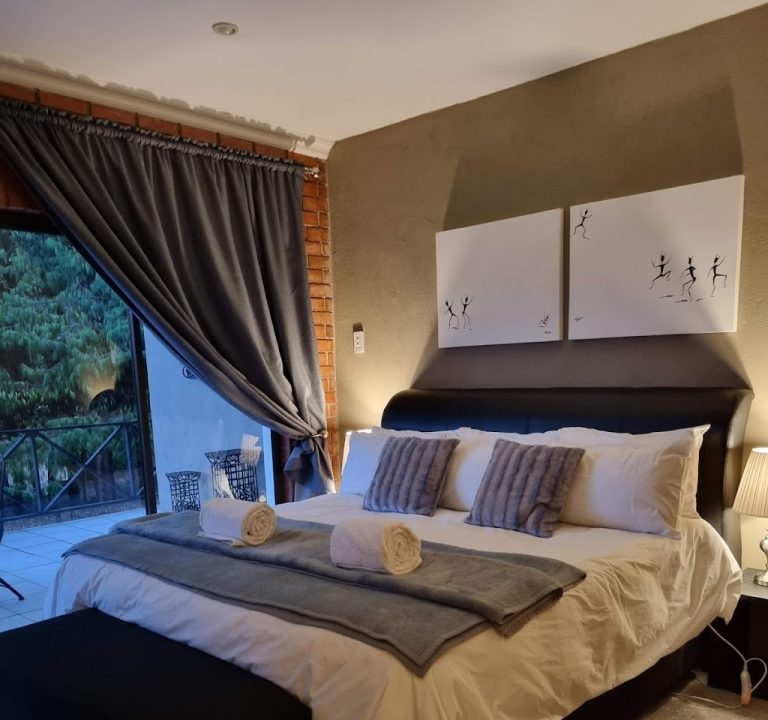
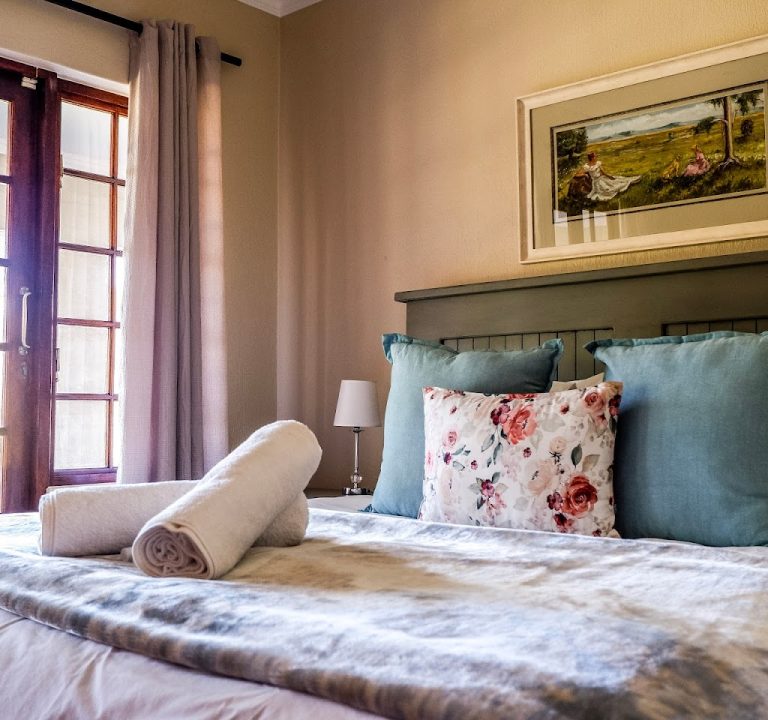
Typical amenities to look for when booking include reliable heating for those chilly highland mornings, strong water pressure, and good insulation for the variable Mpumalanga weather. If you plan to cook, a well‑stocked kitchen with basics (pots, pans, utensils, basic condiments) can make a big difference. For relaxation, ask about outdoor spaces such as balconies, braai areas or private gardens, and whether the property offers Wi‑Fi for those who need to stay connected. Child‑friendly features and safe outdoor spaces can be important for families, while couples may value a cosy fireplace or a scenic deck for sunset views.
Transport around Dullstroom is typically by car, with most attractions, trails and eateries easily accessed by road. If you are relying on public transport, plan in advance as services are limited in the rural areas. Renting a car provides the most flexibility to explore the surrounding farms, rivers and nature reserves, and to reach independent cafés and farmers’ markets on a laid‑back schedule. For guests arriving from Johannesburg or Pretoria, a drive through the Highveld offers changing scenery and a welcome sense of space.
The best time to visit Dullstroom depends on what you want from your trip. The town is renowned for its trout fishing season, birdwatching and the tranquillity of the winter months, when frost and clear mornings create a dramatic landscape. Summer brings longer days, welcoming light for outdoor trails, and the chance of rain showers that keep the scenery lush. Autumn can be particularly pleasant for walking, with cooler temperatures and autumnal colours. Regardless of season, there are always gentle activities to enjoy, from short nature walks to gallery hopping and sampling local produce at small markets and cafés.
When planning, it helps to set aside a day or two for activities beyond the town itself. Popular options include guided nature walks in nearby reserves, fly fishing on accessible streams, and exploring the surrounding farms and viewpoints. Many guests also enjoy the artistic side of Dullstroom, where galleries and craft shops offer a sense of the region’s culture and history. Dining experiences are typically informal and friendly, ranging from rustic cafés to more contemporary eateries that feature seasonal ingredients. It is worth reserving tables during peak periods, especially on weekends or during holiday periods, to avoid disappointment.
Practical tips for a smooth stay:
- Book early if you plan to visit during peak seasons or over public holidays, particularly for self‑catering properties that may have limited availability.
- Check the property’s accessibility and parking arrangements, especially if travelling with luggage or outdoor gear.
- Ask about a welcome instruction sheet for property features, local tips, and emergency contacts.
- Pack warm layers for evenings and early mornings, even in warmer months, as temperatures can drop at higher altitudes.
- Plan a balanced itinerary that includes downtime to simply enjoy the scenery and a leisurely meal or coffee in town.
For those seeking a self‑catering base as a starting point for discovery, Dullstroom offers a range of accommodations that balance convenience with a sense of escape. With careful planning, your stay can hinge on the quality of your base as much as the attractions you choose to explore. Websites and contact pages for individual properties can provide up‑to‑date information on availability, rates and any seasonal offers. A well‑chosen home base can make your Dullstroom visit feel seamless, friendly and genuinely memorable.