Plan Your Stay in Dullstroom: Where to Stay, What to Do, and How to Make the Most of Your Visit
Nestled in the Mpumalanga highveld, Dullstroom is renowned for its grassy landscapes, trout-filled rivers, and a relaxed village atmosphere that suits travellers seeking a peaceful retreat with plenty to explore. When planning a stay, consider both the style of accommodation and the surrounding areas, as these shape daily routines, accessibility, and the range of activities you can comfortably enjoy.
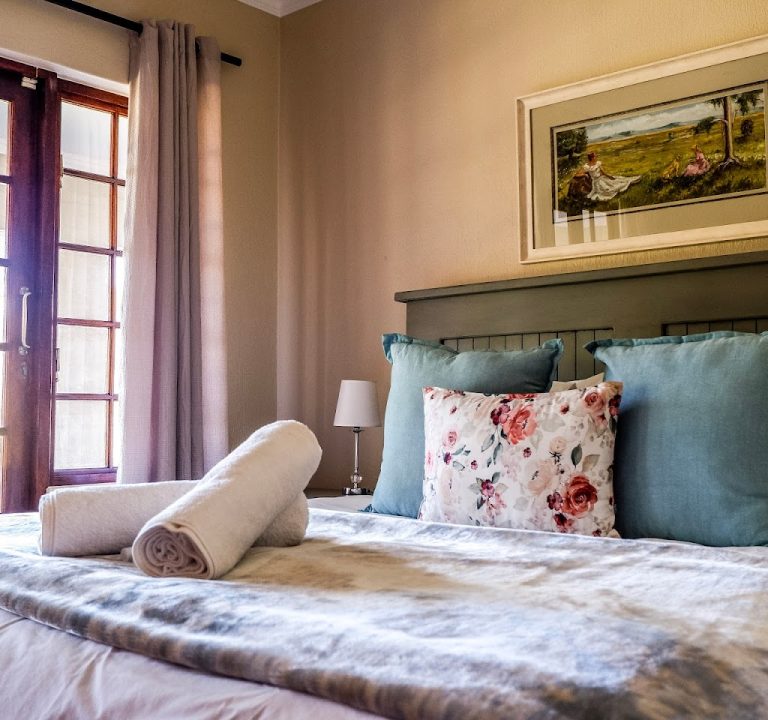
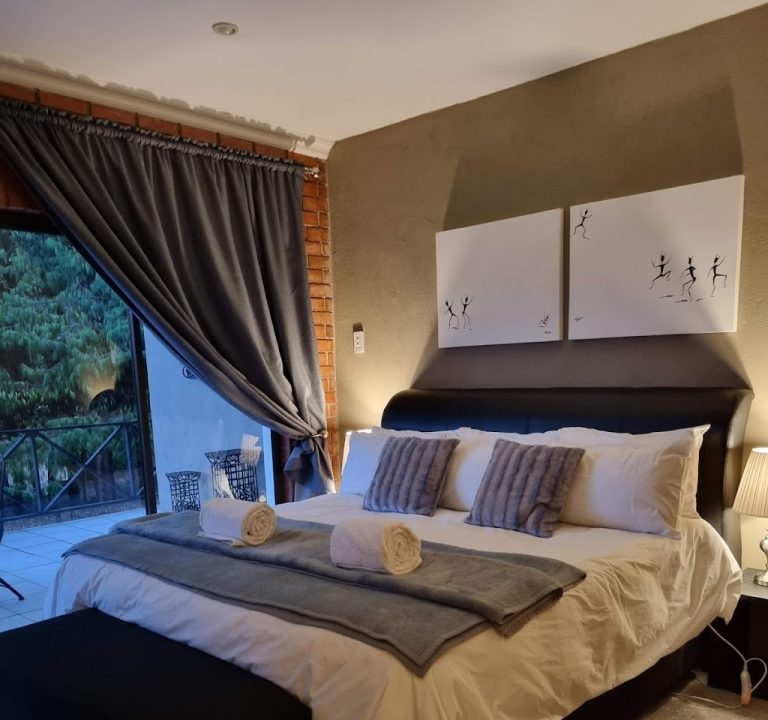
Accommodation in Dullstroom spans boutique lodges, guest houses, self-catering cottages, and country-style hotels. If you value a cosy atmosphere with personalised service, look for lodges or guest houses arranged around a central farmhouse or garden. For those who prefer more space or family-friendly options, self-catering cottages or small apartment-style units provide flexibility for meals and picnics by the stream. Many properties are built to maximise the rural views, with verandahs or balconies to enjoy the scenery in all seasons. When booking, consider what you’ll spend most of your day doing—some travellers prefer a location within walking distance of village amenities, while others prioritise proximity to nature reserves or trout fishing spots.
Areas to consider when choosing where to stay include:
- Village centre: Close to cafés, shops, art galleries, and gentle strolls through the town with easy access to restaurants and pubs.
- Riverside or dam-adjacent grounds: Ideal for quiet mornings by the water, early-morning walks, and wildlife listening in the evening.
- Outskirt farms or higher ground: Often offers expansive views, larger outdoor spaces, and a sense of immersion in the countryside.
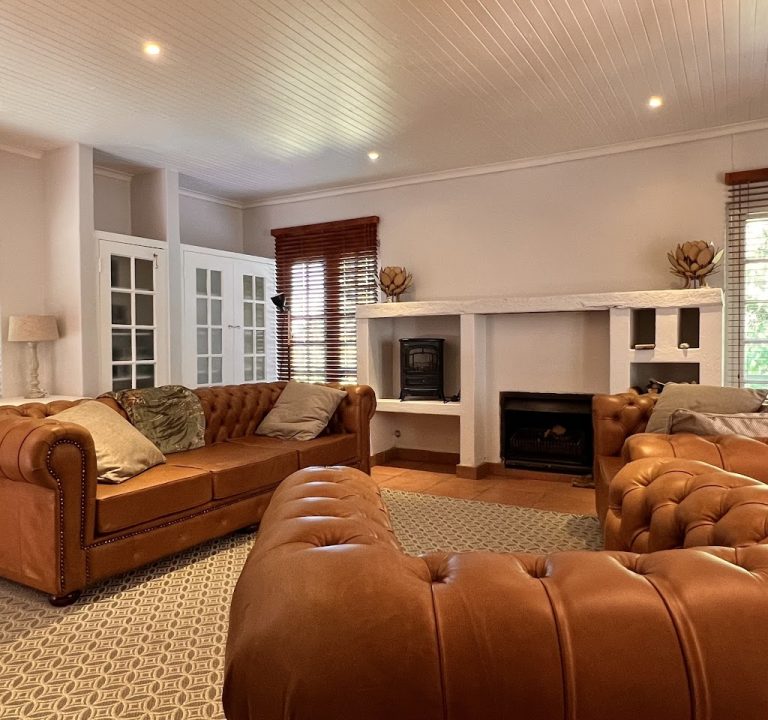
Typical amenities to look for include reliable heating and good insulation for cooler highveld evenings, given Dullstroom’s occasional brisk temperatures. A well-equipped kitchen or kitchenette can be a practical feature if you plan to self-cater. Free Wi-Fi is commonly available, but if you’re travelling for work or longer stays, confirm bandwidth and signal strength. Secure parking, room-darkening options for restful nights, and easy access to outdoor spaces—such as patios, braai areas, or gardens—are also valuable. Ask about on-site facilities like a library or cosy communal lounge, which can be a pleasant retreat after a day outdoors.
When planning transport, consider that Dullstroom is best explored by car. The village itself is compact and walkable, but many attractions sit a short drive away, so a vehicle offers the most flexibility for sightseeing, day trips, and shopping for supplies. If you are flying in, the nearest larger hubs provide convenient road connections, after which you’ll need to arrange local transport or car hire. If you prefer not to drive, some lodges and guest houses offer shuttle arrangements or can organise guided activities and transfers, which can simplify logistics for a relaxed stay.
Best time to visit Dullstroom depends on your interests. The area is popular year-round, but seasons shift the ambience. Spring and autumn bring milder days and colourful landscapes, ideal for walking and photography. Winter brings crisp air and opportunities to enjoy cosy interiors, firesides, and fishing in clear streams after the more temperate summer. Summer can be lively with outdoor activities and a broader range of attractions; keep an eye on weather patterns to plan outdoor days accordingly. Consider seasonal harvesting festivals or artisan markets that occasionally take place, offering a taste of local crafts and produce.
Practical planning tips can save time and enhance your stay. Book well in advance if you are visiting during school holidays or weekends when demand tends to rise. When you book, confirm cancellation terms and what is included in the rate—such as meals, housekeeping schedules, and access to any shared facilities. Pack layers to adapt to changing temperatures, and bring comfortable footwear suitable for easy hikes or countryside strolls. If you are visiting for fishing, clarify licensing requirements and whether your accommodation can organise guided outings or permit access to nearby waters. For those seeking a more relaxed break, balance days between scenic drives, light walking, and time spent in cosy common areas of your lodging.
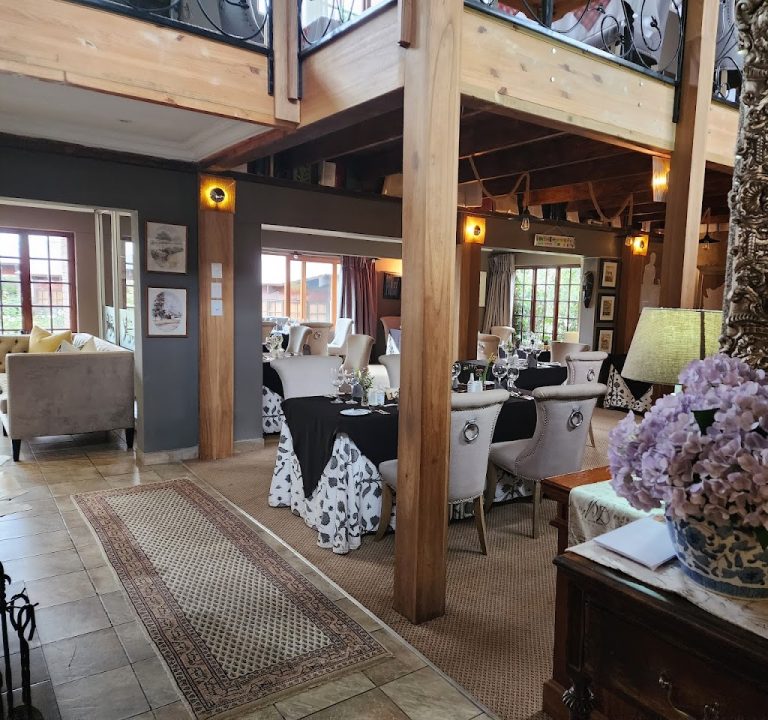
Dining and local experiences form a key part of the Dullstroom visit. A range of eateries offer wholesome fare, from bistro-style meals to vegetarian and game-inspired dishes. Many visitor residences have partnerships with nearby restaurants or offer in-house dining or private meals, which can be convenient after busy days. Beyond meals, guests can usually arrange experiences such as nature walks, fly-fishing lessons, or community-run markets to browse crafts and regional products. For a restful stay, choose a base that provides easy access to a mix of activities and dining options, allowing you to shape a balanced itinerary without long daily drives.
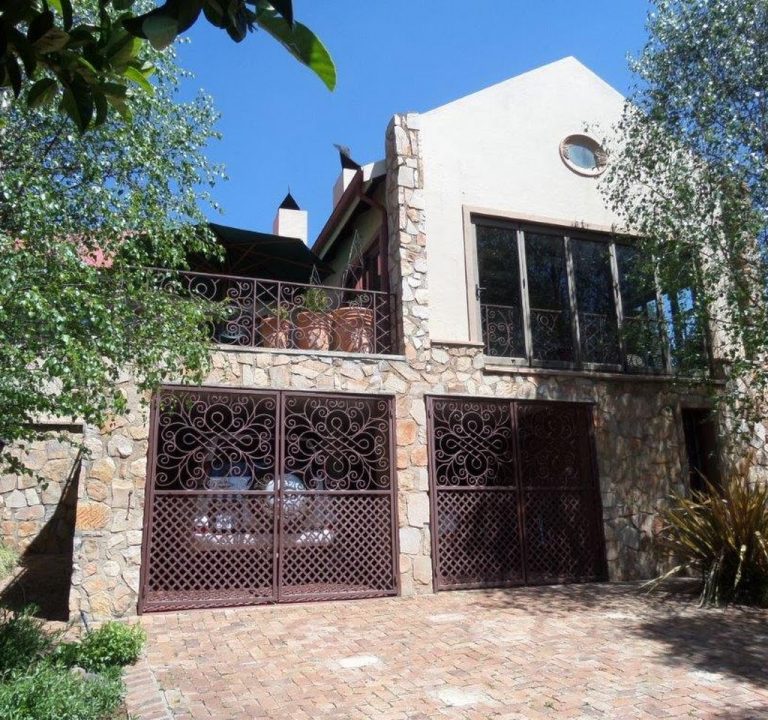
Example lodging in the area includes properties such as Stanley House, a lodging option that embraces the country-side charm of Dullstroom with a focus on comfort and guest service. For more information and availability, visit the property’s official website: Stanley House.