Johannesburg stay and beyond: accommodation options, attractions and practical planning tips
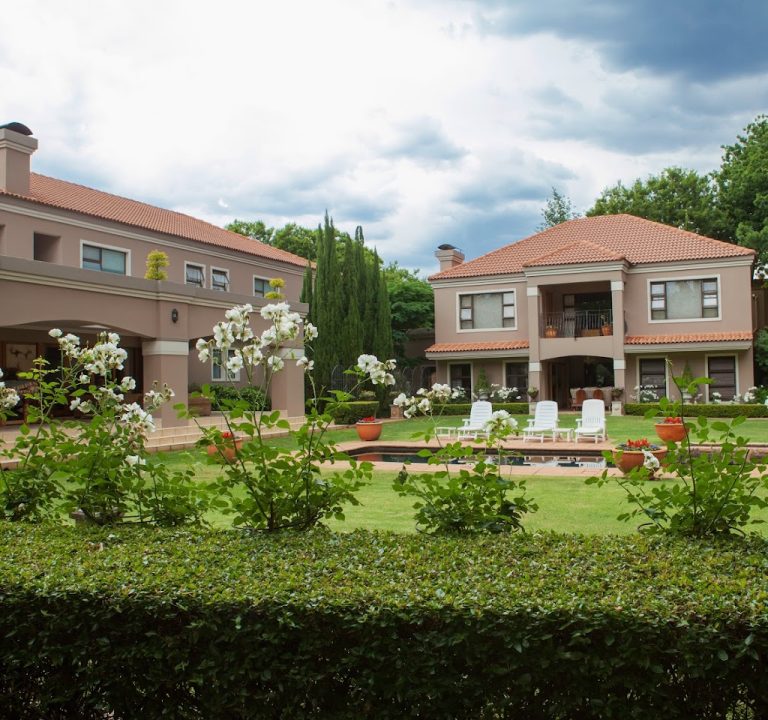
Johannesburg, Gauteng, is a dynamic gateway to South Africa’s rich urban culture and nearby natural beauty. When choosing where to stay, consider both convenience and character. The city offers a spectrum of accommodation—cosy guest houses and B&Bs, stylish boutique hotels, modern city-centre apartments, and family-friendly lodges in nearby suburbs. For those seeking a more intimate, personalised experience, small guest houses may provide a relaxed home-from-home atmosphere, while larger hotels can offer a broader range of services and facilities. One well-known example in the mix is Four Rosmead Guest House Cc, a guest house option that showcases the kind of friendly, personalised hosting you can find in Johannesburg’s residential areas.
Areas to consider
- Sandton and Rosebank: These suburbs are hubs of business, shopping and dining, with easy access to major highways and high-speed rail links. They suit travellers who prioritise reliability and modern comforts, plus a wide choice of restaurants and malls.
- Braamfontein and Newtown: Great for travellers who want a strong urban experience, nightlife, theatres and museums within walking distance or a short ride. Accommodation tends to be stylish and contemporary, with a focus on convenience.
- Melville, Observatory and никогда neighbourhoods around University campuses: These areas often offer a more intimate, neighbourhood feel, with guest houses and boutique stays that emphasise character and value.
- The city centre and northern suburbs: For those who want to be close to museums, historic sites and cultural attractions, there are options that balance character with accessibility to transport networks.
What to look for when booking
- Location relative to planned activities: Proximity to Gautrain stations, major roads or Metro lines can cut travel time and simplify day trips to Johannesburg’s further reaches.
- Access and security: Check the property’s approach to guest safety, access controls, and on-site staff availability. Some guests prefer properties with clear walkways in well-lit areas and secure parking.
- Amenities and room type: Decide whether you need a private bathroom, a small kitchenette, or workspace. Common amenities include free Wi-Fi, breakfast options, parking, and laundry facilities.
- Breakfast and dining: Many guest houses and B&Bs offer continental or full-cooked breakfasts; some include supper or offer easy access to nearby eateries.
- Transport options: If you’re arriving by air, consider whether the host can advise on reliable transfers or if the stay is within easy reach of rail links or major bus routes.
- Reviews and consistency: Look for recent guest feedback about cleanliness, helpfulness of staff, and accuracy of the listing. UK travellers often value English-speaking hosts and clear communication.
Typical amenities and practicalities
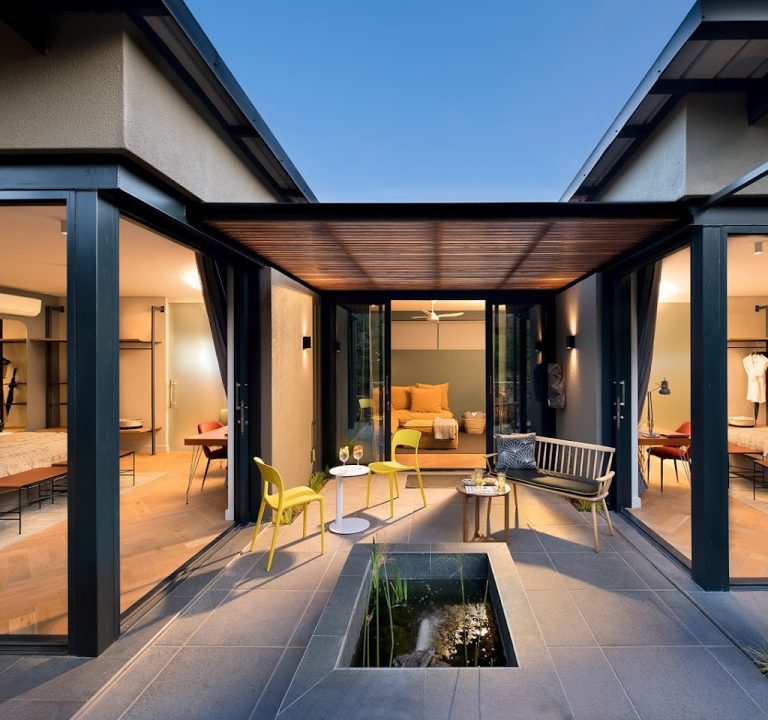
- Room setups: Expect en-suite bathrooms, comfortable beds, adequate storage, and workspaces for business travellers. Some properties provide lounge areas, gardens or terraces for relaxation.
- Food and beverage: A hearty breakfast is common, with occasional provision for dietary requirements. If breakfast isn’t included, nearby cafés and markets offer a wealth of choices.
- Connectivity: Free Wi-Fi is standard in many stays, but confirm signal strength in bedrooms and Wi-Fi reliability for remote work if needed.
- Parking and transport: On-site parking can be a plus in busy areas. For those relying on public transport, access to a nearby rail or bus service is a practical asset.
Best time to visit and practical planning
- When to go: Johannesburg enjoys mild winters and warm summers. The dry winter months (roughly May to August) are popular for outdoor activities and city exploration, while the summer season (November to February) brings lush vegetation and occasional thunderstorms.
- Safety and comfort: Plan daylight exploration for urban sights and save busier nightlife routes for evenings. Always keep aware of your belongings and use reputable transport options, especially after dark.
- Connectivity to day trips: Consider day trips to nearby gold-rush towns, nature reserves, or scenic viewpoints. The city serves as a convenient hub for excursions into Gauteng and the Highveld.
What to do and where to eat (general guidance)
- Attractions and experiences: Johannesburg offers a mix of museums, markets, galleries and historic districts. Expect well-curated exhibitions, informative tours, and neighbourhoods with vibrant street life. Plan a morning or afternoon in major cultural precincts, followed by a stroll through local markets or food halls.
- Dining: The city’s culinary scene reflects its diverse population, with options ranging from modern bistros and African fusion to traditional South African favourites. Rather than chasing specific restaurant names, look for areas with a concentration of independent eateries and casual eateries to sample a range of flavours.
- Nearby nature and viewpoints: Surrounding parks and nature reserves provide opportunities for short hikes, birdwatching, and scenic viewpoints, balancing urban exploration with outdoor time.
If you are planning a Johannesburg stay, start by selecting a neighbourhood that matches your pace—whether you want the convenience of a central location, the character of a boutique guest house, or the comfort of a modern hotel. Use the listing features and guest reviews to confirm essential details such as breakfast offerings, parking, and transport access. With careful planning, your visit to Gauteng can blend compelling urban experiences with comfortable, well-located accommodation and easy access to the region’s diverse sights and flavours. For a stay that feels personal and rooted in a welcoming neighbourhood, consider a guest house like Four Rosmead Guest House Cc as a thoughtful base from which to explore Johannesburg and its surrounds. Links to official property pages or partner booking sites can help you compare options and secure a stay that fits your itinerary.