Johannesburg: where to stay, what to see, and how to plan a great visit
Johannesburg, Gauteng’s energetic heartbeat, offers a diverse mix of accommodation options that suit business trips, city breaks, and family holidays. When planning a stay, think about the district as much as the property itself: some neighbourhoods are ideal for nightlife and dining, others for ease of access to business hubs or cultural sights. In addition to a comfortable room, many guests look for reliable wi‑fi, easy transportation access, secure parking, and thoughtful on‑site facilities such as a café, a gym, or a small pool. For longer stays, consider serviced apartments or aparthotels that provide kitchen facilities alongside hotel-style service.
Good areas to consider include central and northern districts that are well connected by road and public transport. Rosebank and Sandton are popular with visitors for their mix of hotels, shopping, and easy access to business districts. Braamfontein and Melville offer a more bohemian atmosphere with a lively dining scene and a shorter walk to cafés, galleries, and markets. The fashionable precincts and leafy streets around certain neighbourhoods provide a blend of contemporary style and South African hospitality. When choosing accommodation, look for proximity to reliable transport options such as authorised taxi services, ride-hailing platforms, and accessible railway or bus routes. If you plan day trips to other parts of Gauteng, a property with helpful staff who can arrange airport transfers or guided day tours is a definite plus.
Typical hotel and lodge amenities you may encounter include 24‑hour reception, secure parking, breakfast options, and on‑site dining. Some properties also offer curated experiences or guest services such as city orientation, restaurant recommendations, and assistance with local bookings. For families, suites with separate living spaces or interconnected rooms can be a practical choice. If you’re staying for business, look for workspaces, reliable wi‑fi, and quiet corners for meetings. For leisure travellers, a pool, gym, and a comfortable lounge area can make a big difference after a day of exploring the city.
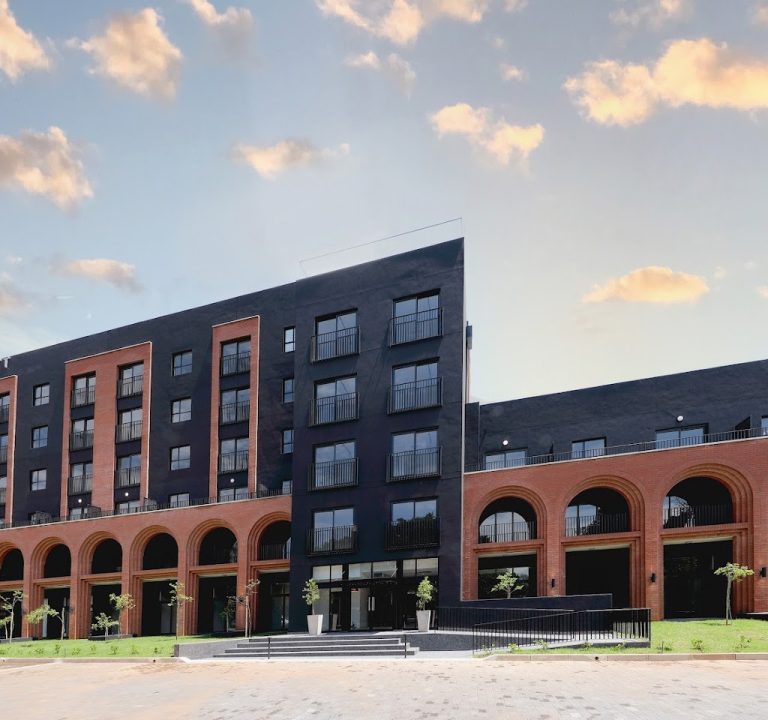
One notable example of a well‑placed option is a modern, extended‑stay style hotel in Rosebank that blends home‑from‑home convenience with hotel services. Facilities may include a fully equipped kitchen or kitchenette, laundry facilities, and stylish living spaces, alongside reception staff who can share tips on local markets, eateries, and transport links. The property’s official website provides current details on room types, available amenities, and booking policies, as well as links to nearby points of interest and dining options. For guests who value flexible arrangements and a central base from which to explore, this style of accommodation can be particularly appealing.
Transport in Johannesburg is varied. If you are not renting a car, choose a property near a reliable taxi network or a convenient public transit stop. Many visitors use ride‑hailing apps to move around quickly between cafés, museums, and parks. When planning day trips, consider the time of day and traffic patterns, especially during peak hours. A central location with straightforward access to major roads can reduce transit time, allowing more time for sightseeing and meals. Practical tips include confirming check‑in times, understanding security arrangements, and asking the front desk for help with city maps or recommended walking routes that avoid longer strolls in the heat or during late hours in busier areas.
Best time to visit Johannesburg depends on your preferences. The city enjoys warm summers with afternoon thunderstorms and cooler, pleasant winters. If you plan outdoor outings, spring and autumn offer comfortable conditions for walking and exploring markets, streetscapes, and parks. For those who wish to attend cultural events or enjoy outdoor markets, coordinating your stay with local calendars can enrich your visit. Pack layers to adapt to changing temperatures and a light rain jacket for summer showers. If your itinerary focuses on museums and architectural sights, indoor venues provide a welcome refuge on hotter days.
Practical planning tips:
- Read recent guest reviews to gauge neighbourhood safety and overall property upkeep.
- Check whether breakfast or a kitchenette is included, and what type of parking is available.
- Verify accessibility to your planned attractions and the transit options from the hotel or guesthouse.
- Ask about security features such as surveillance, controlled access, and well‑lit exterior areas.
- Explore a mix of dining options nearby, from casual cafés to higher‑end restaurant choices, and use the property’s recommendations as a starting point.
For a comfortable stay in Johannesburg, a well‑located hotel or serviced apartment with good connectivity can serve as a reliable base while you explore the city’s cultural fabric, neighbourhood dining scenes, and vibrant markets. The official site of a reputable property in Rosebank offers current information on room configurations, amenities, and booking details, and can guide you to nearby attractions and convenient transport options. When you book, consider what matters most for your trip—space for work, a relaxing lounge area, or easy access to public transport—and you’ll find a stay that aligns with your plans.