Knysna: Accommodation Planning, Areas to Consider, and Top Experiences
Knysna, perched on the edge of the celebrated Garden Route in the Western Cape, offers a delightful mix of coastal scenery, woodland walks and a relaxed harbour atmosphere. When planning a stay, travellers often balance easy access to the town centre with the serenity of waterfront, hillside or forest locations. Options range from intimate guest houses to self‑catering apartments and boutique hotels, including welcoming establishments such as Four on Faure, a guest house that embodies the understated charm many visitors seek in Knysna.
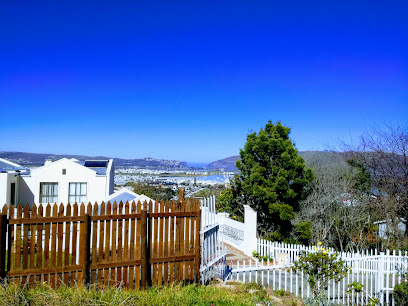
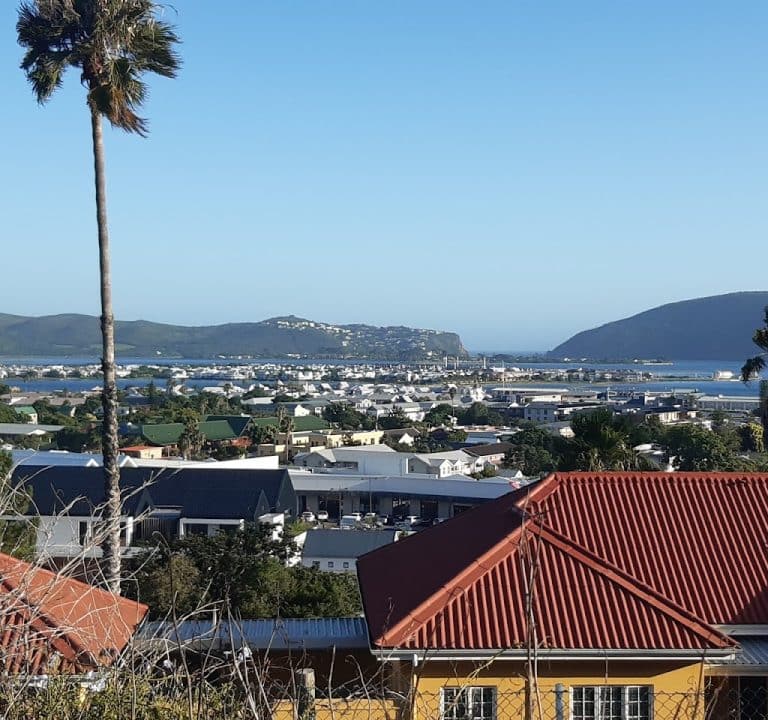
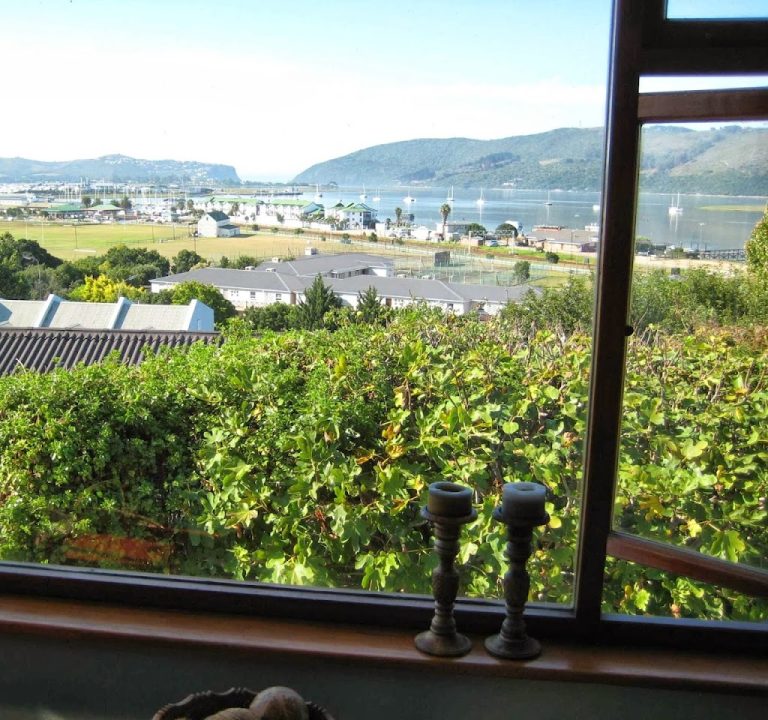
Areas to consider for your base include the Town Centre and Waterfront, which provide convenient access to shops, cafés and boat trips. Leisure Isle offers a quieter, village feel with tranquil beaches and pleasant strolls. The Heads and surrounding ridges deliver dramatic views and a sense of enclosure by land and sea. For those who prefer greenery and views, the Simola or Belvidere estates can offer elevated locations with panoramic outlooks. Each area has its own rhythm: the Town Centre is lively and walkable; Leisure Isle is relaxed and scenic; and the Knysna Heads area provides dramatic coastal vistas and proximity to nature trails.
Typical accommodation in Knysna spans stylish guest houses and boutique B&Bs, cosy cottages, and self‑service apartments. Expect comfortable beds, en‑suite bathrooms, and tasteful décor that blends with the natural surroundings. Many properties offer features such as private decks, sea or forest views, and breakfast options ranging from continental to a more substantial locally sourced spread. If privacy is a priority, look for ground‑floor suites with private entrances or separate cottages that feel like a home away from home. Some guest houses may provide on‑site parking, communal lounges, and outdoor seating areas to enjoy Knysna’s tropical climate.
When you book, consider practical details that impact your stay. Size and layout matter if you are travelling with family or in a group. Check whether the room or unit includes a kitchenette or access to a shared kitchen, as this can influence dining flexibility. In Knysna, many guests value free parking, reliable Wi‑Fi, and options for early breakfasts or takeaway light meals. If you plan to explore nearby trails or beaches, confirm accessibility to outdoor spaces, whether there are steep stairs or uneven paths, and how staff can assist with local tips or arranging activities.
Transportation is straightforward but planners should note that Knysna is best explored with a car or a reliable transfer option. While the town is compact enough for pleasant walks, the surrounding forests, headlands and nature reserves are more comfortably reached by car or organised tours. If you prefer not to drive, many guest houses can help arrange transfers, guided walks, or day trips to nearby attractions. When budgeting, factor in parking, possible shuttle services, and the time needed to travel to the more remote viewpoints and trails.
The best time to visit Knysna blends climate and crowd considerations. Summers (roughly November to February) are warm and encourage boat trips, lagoon activities and water‑based exploration, but can be busy with holidaymakers. Spring and autumn offer mild weather, clearer skies, and pleasant walking conditions in the forests and along the coast, often with fewer crowds. Winters are cooler and wetter, yet the region remains vibrant with indoor pursuits, cosy eateries and scenic downpours that can create atmospheric moments. Consider shoulder seasons for a more relaxed experience and potential value on accommodation.
Planning practicalities can also enhance your stay. Map out the main sights you wish to visit—such as the lagoon, forest reserves, and coastal viewpoints—and leave space for spontaneous discoveries, especially along the Knysna Waterfront where cafés and local art can be enjoyed at a relaxed pace. For food, Knysna offers diverse dining that ranges from casual bistros to more refined eateries; most places focus on seafood, regional produce, and South African favourites. It’s common to find menus that celebrate local flavours and seasonal ingredients, with prices varying by location and style. If you have dietary requirements, a quick check with your host or waiter on the day is a sensible plan.
Pack thoughtfully for Knysna: layers for changeable coastal weather, comfortable walking shoes for forest trails, sun protection, and a light rain jacket for short showers, which are not unusual in the region. Bring a reusable water bottle for staying hydrated during walks and a small daypack for trips to the Heads, forests, or the harbour. Conversations with hosts can unlock local tips—from the best viewpoints to lesser‑known trails and good amplified sunsets over the lagoon.
In summary, Knysna rewards visitors who blend a comfortable base with time for nature, appetite for discovery, and an easy pace. Whether you choose a cosy guest house such as Four on Faure, a boutique stay near the Town Centre, or a hillside retreat with panoramic views, planning around area choice, essential amenities, transport, and seasonal timing will help you craft a memorable stay filled with natural beauty, relaxed dining and easy access to the region’s finest outdoor experiences.
- Prioritise a base with parking and Wi‑Fi if you are self‑catering or travelling with a group
- Balance sea views with convenient access to the town for meals and wanderings
- Consider shoulder seasons for a calmer visit with good weather
- Ask hosts about local hikes, boat trips, and dining recommendations