Knysna: Where to Stay and How to Make the Most of Your Visit
Knysna, perched on the Panhandle of the Garden Route in the Western Cape, combines natural beauty with a relaxed coastal town ambience. From harbour-front guesthouses to self-catering retreats, the town offers a range of accommodation tailored to different travel styles. When planning a stay, it helps to think about your preferred pace, the kind of surroundings you want, and how you’ll move around to explore the area.
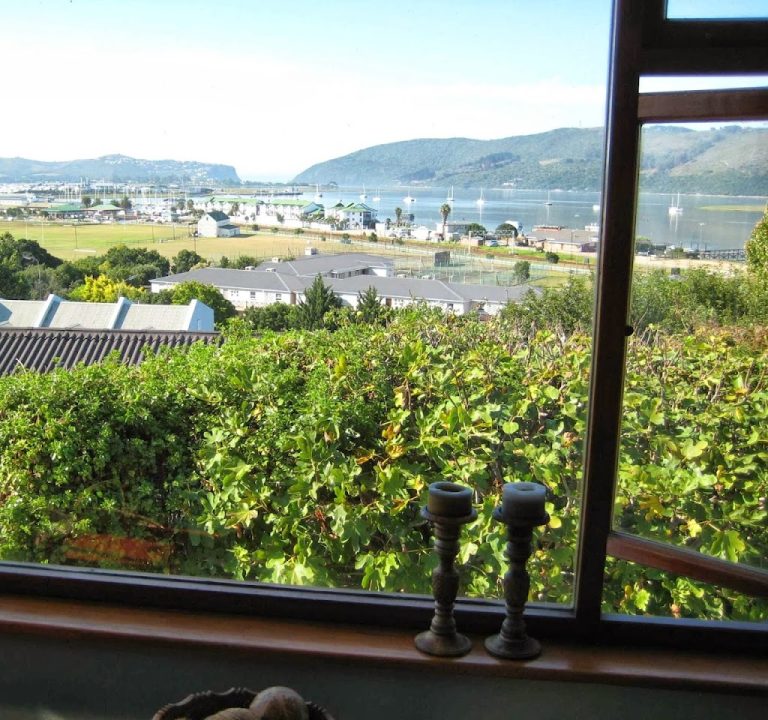
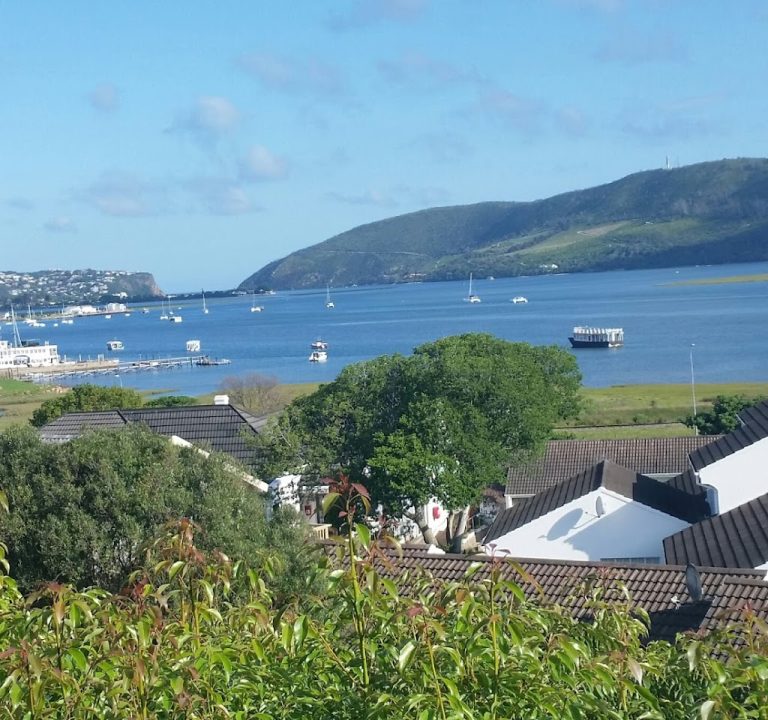
Areas to consider for your stay include the waterfront and town centre, which lend easy access to dining, markets, and strolls along the harbour. The Lagoon area offers tranquil water views and birdlife, while the Knysna Heads and surrounding forests provide dramatic scenery and hiking opportunities. If you’re travelling with family or a group, self-catering options and larger suites in residential streets can offer space, privacy, and value. For a more boutique experience, look for places that emphasise local charm, with thoughtful decor and personalised tips from hosts.
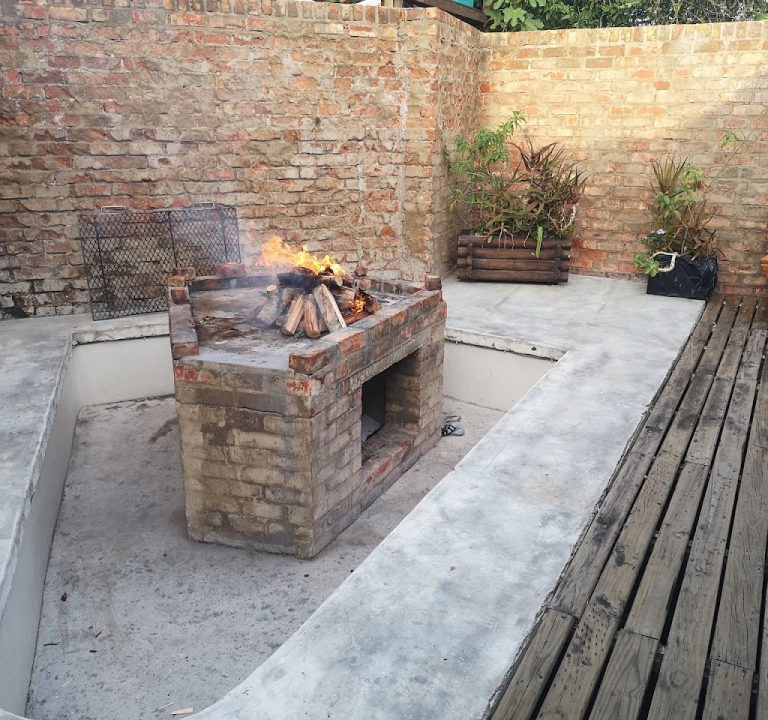
When booking, look for a few practical amenities that can greatly simplify your trip. A well-equipped kitchen or kitchenette is essential for self-catering stays, while reliable Wi‑Fi, parking, and proximity to a little convenience store or supermarket can save time. If you plan day trips or early starts to the forest or marine reserves, a property with flexible check-in, late departure possibilities, and clear self-check instructions can be very convenient. Other helpful features include outdoor space for al fresco meals, laundry facilities for longer visits, and secure storage for outdoor gear such as bicycles or hiking equipment.
Transport in Knysna is straightforward but requires a bit of planning. The town is walkable in the centre, with pleasant routes along the harbour and through leafy streets. Car hire is common for exploring the surrounding coast, forests, and viewpoints; many travellers opt for a rural or coastal itinerary with day trips to the nearby Knysna Forest and neighbouring towns. If you prefer not to drive, check whether your accommodation can arrange transfers or recommend trusted tour operators. Public transport is limited beyond the main routes, so a flexible schedule helps you make the most of every day.
Best time to visit Knysna depends on what you want from the trip. The warm, dry months of late spring and summer (roughly October to March) are ideal for boat trips, harbour walks, and coastal strolls. Autumn brings cooler evenings and a dramatic display of fynbos in the surrounding Knysna Forest, while winter offers a quieter atmosphere and less wind for inland hikes. If you enjoy seafood and farm-to-table dining, note that some restaurants may operate seasonally or adjust hours outside peak season. Always check access to outdoor attractions after heavy rain, as forest tracks can become wet and slippery.
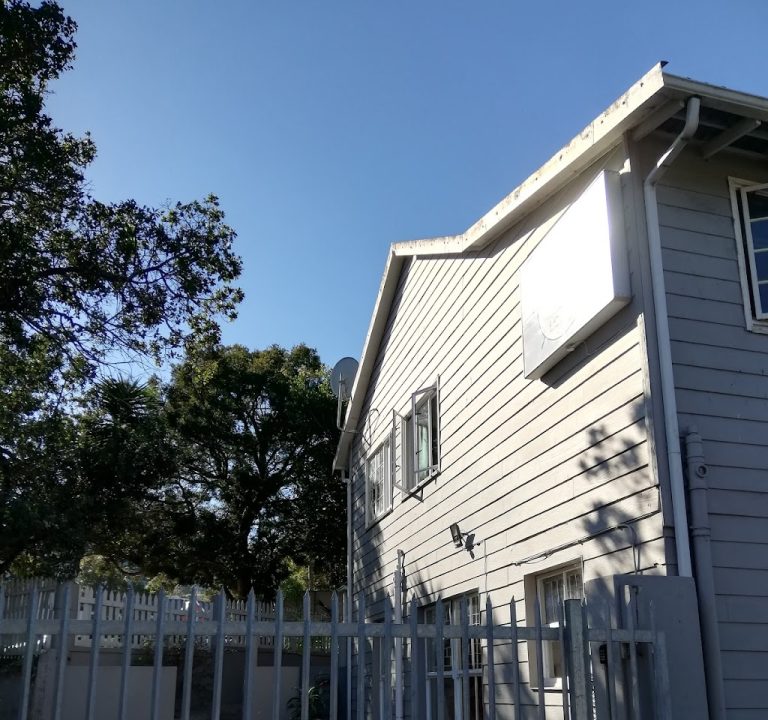
Accommodation types in Knysna range from guesthouses and boutique B&Bs to larger lodges and self-catering cottages. A notable option in the self-catering category is Prospect Cottage, a coastal retreat offering independent living spaces with a focus on comfort and privacy. Prospective guests can explore the property’s details and book through its official website, which provides practical information about the layout, amenities, and location. This kind of accommodation is well suited to travellers who appreciate a home-like setting with the flexibility to prepare meals or enjoy a quiet, self-guided itinerary.
With your base secured, plan to balance restful downtime with a handful of memorable experiences. Knysna’s attractions tend to emphasise natural scenery and outdoor activities. Expect leisurely harbour strolls, sunset viewpoints over the water, forest drives along scenic routes, and opportunities to observe coastal birdlife. To pair with these outdoor moments, consider trying a local dining scene built around fresh seafood, regional fares, and seasonal ingredients. Many dining venues in the area focus on relaxed, informal dining with options for groups and families, making it easy to find a meal that suits your mood and schedule.
If you’re seeking organised experiences, look for guided walks through the Knysna Forest, boat trips on the lagoon, or short coastal hikes that offer rewarding panoramas of the surrounding coastline. Day trips to nearby towns and natural reserves can be booked through reputable operators or arranged via your accommodation host. While visiting, establish a basic plan: map a couple of must-see viewpoints, slot in flexible time for spontaneous discoveries, and leave room for a seafood lunch or sunset drink with a harbour backdrop.
Practical tips for a smooth stay:
- Book early for peak seasons, particularly during school holidays and long weekends.
- Confirm parking and access details if you are staying outside the town centre.
- Ask about local recommendations for hikes, boat trips, and seasonal markets.
- Pack layers for variable coastal weather and a lightweight waterproof in case of showers.
- Check whether your chosen property has laundry facilities and a well-equipped kitchen if you plan extended stays.
When planning your itinerary, keep a flexible framework in mind: a couple of longer outdoor days paired with a couple of relaxed, unfixed evenings to enjoy the dining scene and harbour ambience. Knysna rewards visitors who slow down just enough to notice the scent of the forest, the colour of the water, and the friendliness of local hosts. Whether you choose a cosy self-catering cottage, a boutique guesthouse, or a contemporary lodge, your stay in Knysna can be an inviting gateway to the Garden Route’s natural wonders and culinary charm.