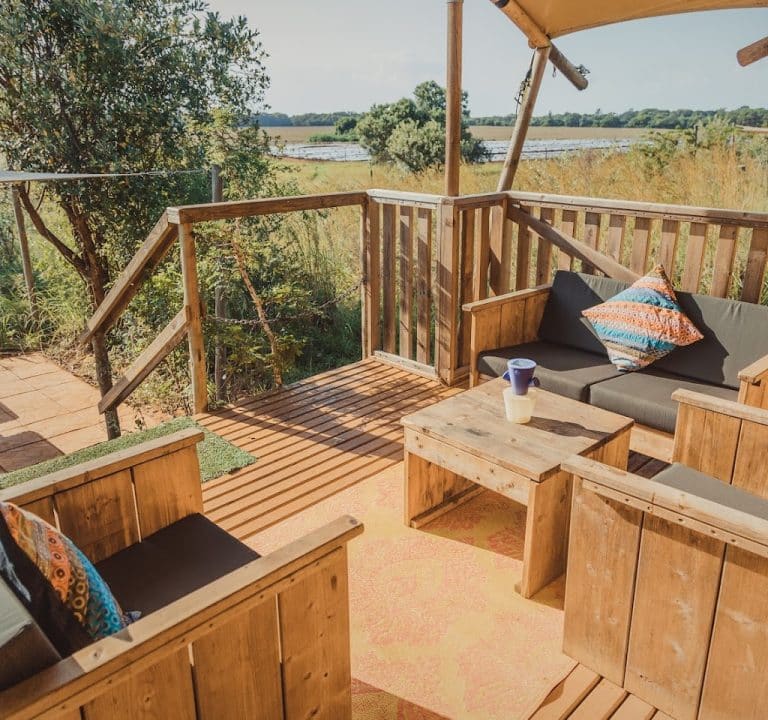
Hluhluwe in KwaZulu-Natal: Where to stay and what to do
Hluhluwe, tucked in the heart of KwaZulu-Natal, is a gateway to rich wildlife, lush landscapes and a relaxed, authentic South African experience. The area is best explored with a base that suits your itinerary, whether you’re craving a traditional safari vibe, a family-friendly stay, or a tranquil break in a bush-leisure setting. The choice of accommodation ranges from welcoming lodges and guesthouses to intimate eco-lodges and comfortable self-catering options. Each offers easy access to the nearby Hluhluwe-iMfolozi Park, widely regarded for its wildlife viewing and its role in conservation history, as well as practical routes to the coast and other wildlife reserves along the Maputaland coast.
When planning your stay, consider the different areas around Hluhluwe. The town itself serves as a convenient hub with shops, cafes and a friendly, laid-back atmosphere. A range of lodges and guesthouses in the surrounding countryside provide a peaceful retreat, often with on-site dining and guided activities. If you prioritise close proximity to the park gates, look for properties on the eastern side of Hluhluwe that offer early-morning game drives or guided walks. For a more rural, eco-conscious stay, seek out lodges set inside or near private reserves, where sustainability is part of the experience, from solar power to responsible wildlife viewing practices.
Typical amenities vary by property but commonly include en-suite bedrooms, outdoor seating areas, on-site dining, and options for guided excursions. You’ll frequently find bush experiences such as early morning or late afternoon safaris, birdwatching, and sundowner breaks that let you soak in the sounds of the African savannah. Some places offer spa services, unlimited Wi-Fi, and family-sized rooms, while others specialise in intimate settings with a smaller number of guests. When booking, check whether meals are included (often breakfast or half-board), whether activities are included or offered at a surcharge, and if transfers from major hubs like Richards Bay or Durban are available or easy to arrange.
Transport links and getting around are practical considerations. If you plan a self-drive itinerary, confirm parking arrangements and whether your chosen base can arrange park-day trips or guided tours. If you prefer not to drive, look for lodges that can organise airport transfers, private game drives or shuttle services to nearby attractions. The region’s road network is generally good, but some routes may become sandy or muddy after rain, so it helps to know your plans in advance and pack accordingly. A compact, comfortable vehicle makes trips between Hluhluwe and other coastal towns smoother, while ensuring you have extra time to pause for wildlife sightings or scenic viewpoints.
The best time to visit Hluhluwe depends on your priorities. Dry winter months (roughly May to August) typically offer easier wildlife sightings as animals gather around water sources, and visibility for birdwatching is excellent. Summer (November to March) brings warmer days, lush vegetation and the possibility of afternoon showers; this period can be humid but is also a time of vibrant landscapes and newborn wildlife in some areas. For those with a keen interest in landscapes and photography, the transition months around spring and autumn often deliver softer light and fewer crowds. If malaria is a concern, choose reputable lodges with appropriate precautionary measures and carry your prescribed prophylaxis as advised by a medical professional.
Practical tips to ensure a smooth stay in Hluhluwe include packing for variability in temperature between day and night, comfortable walking shoes for short forest trails, and a lightweight rain jacket for sudden showers. Remember to bring a good pair of binoculars for wildlife watching and a charged camera to capture giraffes, zebras and the occasional rhino sighting. Although many properties offer in-house dining, there are also opportunities to explore local eateries and casual cafés in and around Hluhluwe town; this can provide a flavourful contrast to the structured experiences of a lodge or guesthouse.
For those planning to combine accommodation with activities, a typical itinerary might include one or two full days in or near Hluhluwe-iMfolozi Park, balanced with quieter days at a lodge or guesthouse where you can enjoy the pool, reading terraces, or an on-site spa. Wildlife-focused experiences can be complemented by cultural insights and nature walks in surrounding reserves, or by guided coastal trips if you wish to extend your stay toward the neighbouring St Lucia Wetlands or coastal towns. In all cases, your host or lodge concierge can help tailor a programme to your interests, from birdwatching routes to family-friendly bush walks, and from relaxed sun-downers to more adventurous day trips.
When choosing where to stay, ask yourself these questions: Is the location convenient for the activities I want to do? Are meals included or readily available nearby? What level of privacy and quiet do I prefer? How flexible is the booking in case plans change? What are the payment and cancellation policies? Do transfers or guided excursions come with the stay, or must they be arranged separately? The right balance of comfort, authenticity, and accessibility will help you make the most of your Hluhluwe visit.
- Location and access: proximity to Hluhluwe-iMfolozi Park gates, major roads, and town facilities
- Accommodation type and privacy: lodge, guesthouse, eco-lodge, or self-catering options
- Amenities and meals: en-suite rooms, on-site dining, spa or pool, and whether meals are included
- Guided experiences: safaris, bush walks, birdwatching, cultural visits, and transfers
- Season and climate considerations: best time to visit, malaria precaution, packing lists
- Cancellation and flexibility: policies and how easy it is to adjust plans
Whether you are drawn by the classic safari ambience, the relaxed hospitality of a guesthouse, or a sustainable lodge nestled in the bush, Hluhluwe offers a comforting rhythm of days spent in nature, punctuated by the warmth of South African hospitality. With careful planning, your stay can blend wildlife highlights with comfortable accommodation, tasty regional cuisine, and easy access to the region’s natural and cultural attractions.