Accommodation and experiences in Hluhluwe, KwaZulu-Natal: where to stay and how to plan
Hluhluwe in KwaZulu-Natal sits at the edge of some of South Africa’s most renowned wildlife areas, offering a mix of intimate lodges, stylish hotels and rustic guesthouses. Whether you are here for a dedicated safari, a slow escape in the countryside, or a family-friendly break, the town and its surroundings deliver a compact, visitor-friendly base with easy access to the Hluhluwe-iMfolozi Park, nearby coastal reserves and a taste of Zulu culture. Planning a stay here means balancing nature activities with comfortable accommodation, convenient transport, and downtime to soak up the scenery.
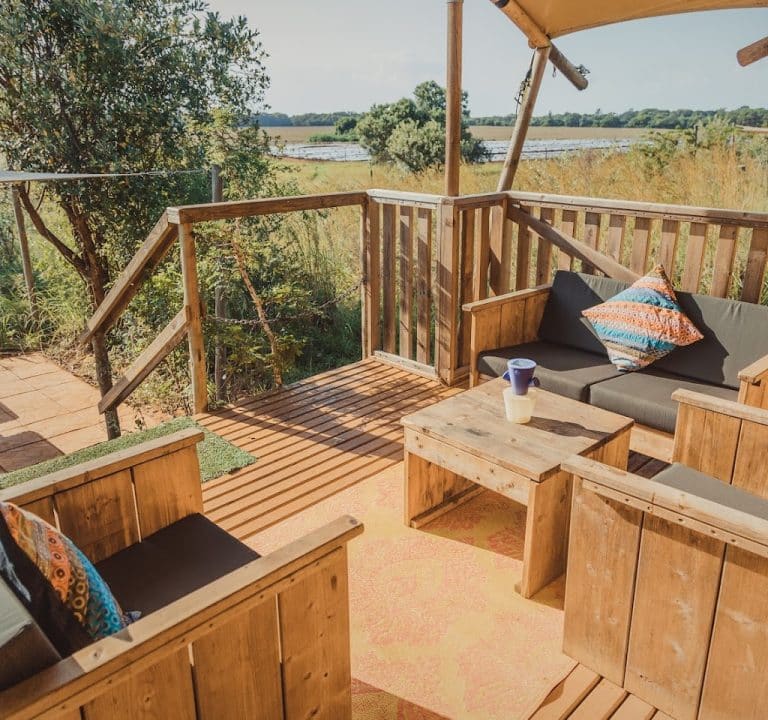
Accommodation options cluster around the Hluhluwe town itself and the entrances to the nearby game reserves. Expect a variety of styles, from boutique lodges with a romantic atmosphere to family-run guesthouses offering warm, personal service, and mid-range hotels with straightforward facilities. A popular feature across many properties is a blend of outdoor deck space, plunge pools or splash pools to cool off after a day in the bush, and guided activity options. If you are seeking a more exclusive experience, a few lodges sit closer to the park gates and offer full-board packages that include game drives and professional guides.
When choosing where to stay, consider the following areas and what they offer:
- Near the park gates: convenient for early morning or late afternoon game drives and easy access to reserve boundaries.
- Hluhluwe town centre: a practical hub with a range of dining options, local shops and a lower-key pace, useful for travellers who want to combine sight-seeing with day-to-day conveniences.
- Rural or lodge-adjacent properties: often more secluded and designed to feel immersed in the landscape, with opportunities for bush walks or night drives arranged by the hosts.
The typical amenities you might look for include daily housekeeping, on-site dining or easy access to meals, secure parking, and Wi-Fi in rooms or public areas. For a relaxed stay, seek properties with generous verandahs, outdoor seating and saltwater pools, which suit the warm KwaZulu-Natal climate. If you are visiting during peak wildlife season, inquire about early breakfast options, gate timings for park entry, and whether guided drives or walks are included or can be arranged at short notice.
Transport choices largely shape the practicality of your itinerary. The region is best accessed by car, giving flexibility to self-drive to the park gates, arrange a private game drive, or visit nearby attractions at your own pace. If you do not plan to hire a vehicle, check whether your accommodation provides a shuttle service to major sights or if local operators offer day trips. Internal flights to Richards Bay or Durban followed by a road transfer are alternatives for longer breaks, though they can add time to your plans.
Best time to visit Hluhluwe depends on what you hope to see. The dry winter months (roughly May to August) are favoured by wildlife enthusiasts because animals congregate around water and visibility is good for game viewing. The rainy season (usually November to March) brings lush landscapes and birdlife but can bring humid conditions and afternoon storms; many visitors still find this period rewarding for photography and a different forest ambience. For beach-side excursions or exploring the broader iSimangaliso Wetland Park coastline, consider a split stay that balances bush and shore days.
Practical tips for planning a stay in Hluhluwe:
- Book well in advance during peak season and school holidays, especially if you want a specific lodge or room type.
- Ask about included activities—many properties offer guided game drives, bush walks, or cultural experiences as part of the package or at a modest extra cost.
- Confirm gate times and the availability of early-morning meals to align with sunrise safaris.
- Pack lightweight, neutral-coloured clothing for safaris, good walking shoes, a hat, sunscreen and a compact first-aid kit; binoculars can enhance wildlife viewing.
- Malaria is present in some parts of KwaZulu-Natal; check current guidance and take sensible precautions if your plans include back-country areas.
- Respect the natural environment and adhere to park rules, especially when outside guided zones or at night.
Attractions and experiences in the region are typically framed around wildlife and landscapes. The Hluhluwe-iMfolozi Park remains a cornerstone for those seeking classic African safari experiences, while the broader area offers opportunities to learn about Zulu culture, explore wetland ecosystems, and enjoy scenic drives through rolling hills and grasslands. For dining, most accommodation providers will offer on-site meals or recommendations for nearby eateries, with options ranging from relaxed café-style venues to more formal dining rooms. In addition, the KwaZulu-Natal coast and the iSimangaliso Wetland Park area lie within reach for day trips, presenting a contrast to the bush with coastal scenery, birdwatching opportunities and calmer waters for a change of pace.
For planning inspiration and up-to-date details, consult official tourism pages and local guides before you travel. These sources can help you map out realistic day plans, understand seasonal wildlife patterns, and identify restaurants and cultural experiences that align with your interests. A stay in Hluhluwe can be as tranquil or as active as you wish, with a broad spectrum of accommodations—from intimate lodges such as Flambloyant Lodge to larger hotels—aimed at making visitors feel welcome while keeping their focus on the surrounding natural beauty. For more ideas and practical planning, you can visit reputable regional travel guides and the KwaZulu-Natal tourism portal.