Johannesburg: Accommodation and a Practical Guide to Exploring Gauteng
Johannesburg, or Jo’burg, is a vibrant gateway to Gauteng’s urban energy and its often overlooked natural beauty. When planning a stay, focus on choosing a neighbourhood that matches your interests and pace—whether you want easy access to business districts, cultural hubs, or quieter residential streets with a friendly, local atmosphere. Guest houses, boutique hotels, and well-run B&Bs offer a warm home-from-home feel, with hosts who can share insider tips for navigating the city and surrounding areas.
In central and northern parts of the city, preferred areas for visitors include Sandton, Rosebank, and Melville, each offering distinct vibes. Sandton has a modern, cosmopolitan atmosphere with proximity to major centres and shopping, while Rosebank blends markets, eateries, and galleries with convenient transport links. Melville provides a bohemian, inexpensive base with easy access to cafés and live music. For a more understated stay with leafy streets and a village feel, consider suburbs such as Parkview or Deliquescent areas that balance quiet residential charm with proximity to the action.
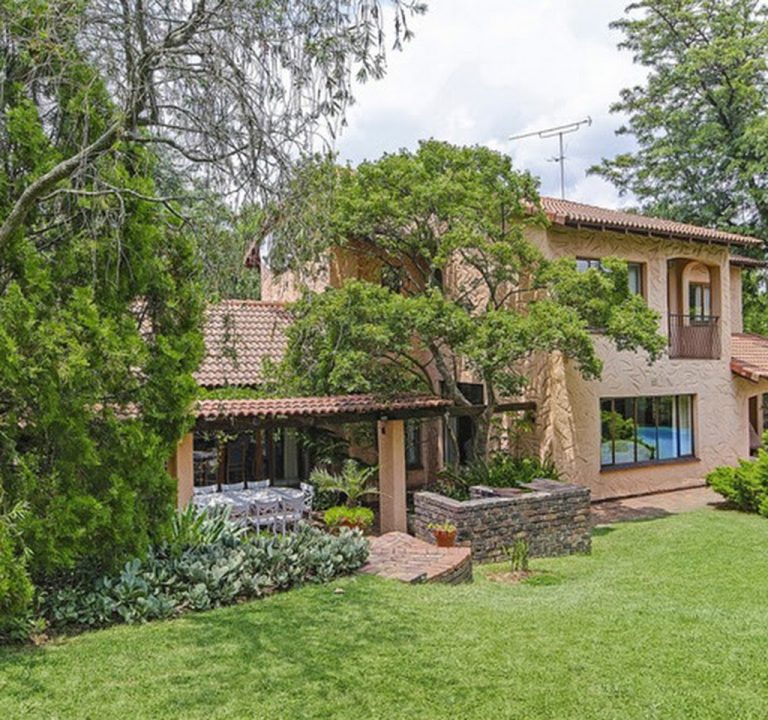
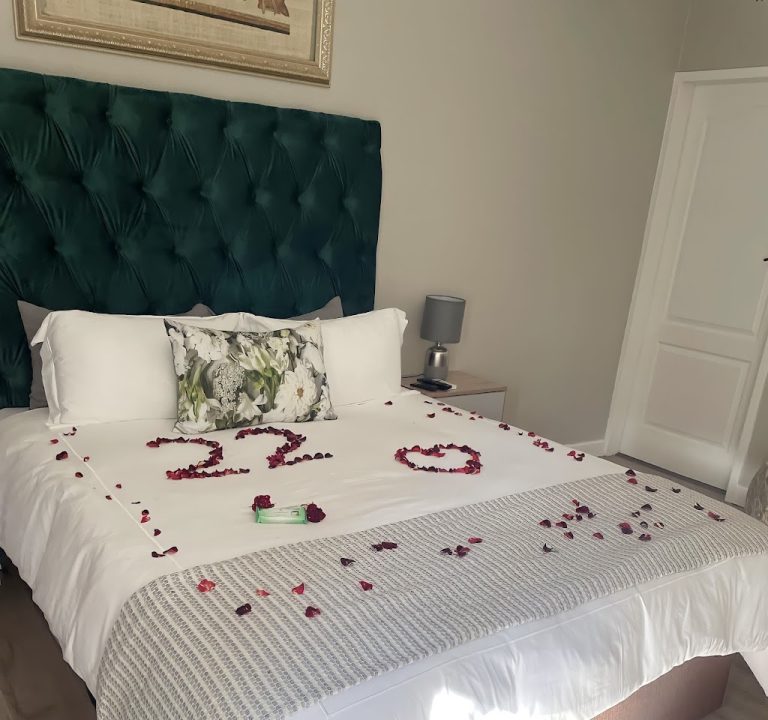
When choosing accommodation, look for several practical features. A comfortable bed and good lighting are essential for rest after a day of touring, plus reliable Wi‑Fi for planning and staying connected. On-site amenities such as a secure parking area, a well-equipped kitchenette, laundry facilities, and straightforward access to local transport can make a stay far more convenient. Guest houses like Fern Glen Suites, if available in the right area, often offer personalised service, a homely atmosphere, and reliable guidance from hosts—an invaluable assist for first-time visitors to Johannesburg.
Transport is a key consideration. The Gautrain provides swift connections between Johannesburg, Pretoria, and the OR Tambo International Airport, with stops in Sandton and Rosebank. Inside the city, Uber, taxis, and car hire are common ways to travel, while some guest houses arrange shuttle services or local tours. When staying in central hubs, proximity to a MyCiTi bus stop or a metro rail link can reduce travel times and costs. If you plan day trips to nearby attractions or nature reserves, choose accommodation with easy access to major roads or park-and-ride facilities in safer, well-lit neighbourhoods.
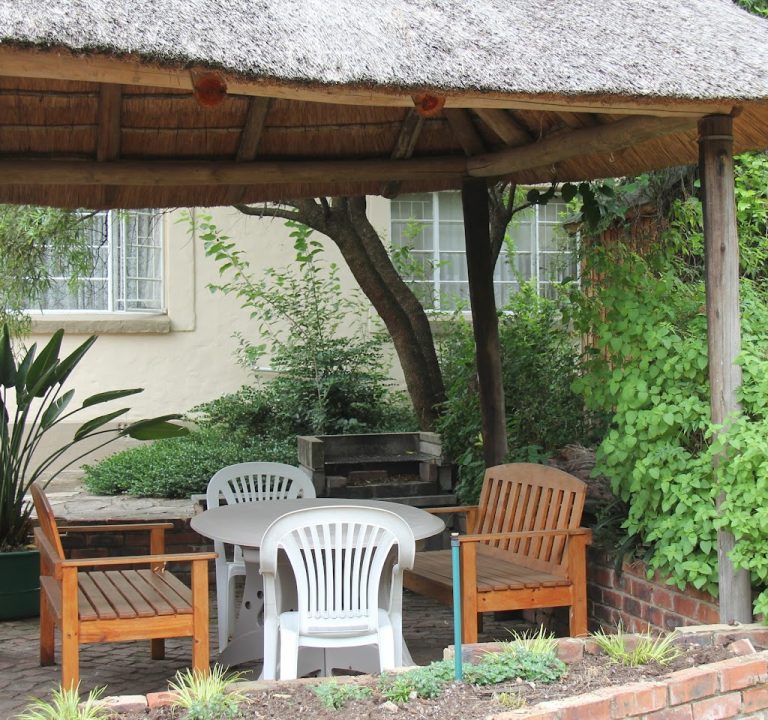
Typical amenities offered by quality guest houses and boutique hotels in Johannesburg include en-suite bathrooms, daily cleaning, and reception hours that align with guest needs. Many properties provide a communal lounge, a dining area with breakfast options, and comfortable outdoor spaces for a quiet evening. A few may offer curated experiences, such as neighbourhood walks, food tastings, or cultural highlights that connect travellers with local life. Always verify late check-in options if your flight schedule is variable, and ask about security features such as 24-hour reception, fenced parking, or CCTV for peace of mind.
Best time to visit Johannesburg generally aligns with the Southern Hemisphere’s seasons. The dry winter months from May to August can be cooler and extremely pleasant for exploring urban parks and outdoor markets. Spring and autumn bring mild temperatures, while the summer months (November to March) can be warmer and occasionally rainy. Consider planned outdoor activities around weather forecasts and seasonal events, and be prepared for high altitude sun by packing sunscreen and a hat.
Attractions in and around Johannesburg are varied and give a sense of the city’s history, culture, and nature. In the city centre, visitors often explore world-class museums and galleries, historic districts, and bustling markets. Nearby towns and regions offer insights into the region’s diverse heritage, wildlife experiences, and scenic drives. For dining, Jo’burg’s restaurant scene spans sophisticated eateries to casual neighbourhood cafés, with many venues celebrated for vibrant fusion cuisines and locally sourced ingredients. When planning meals, you can look for places that offer a set menu or seasonal specials, and consider asking hosts for recommendations to discover hidden gems beyond the typical tourist spots.
Practical planning tips to help you maximise your stay:
- Choose accommodation with good transport links to both business districts and cultural hubs.
- Check for secure parking or trusted taxi arrangements if you plan to move around after dark.
- Ask hosts for local neighbourhood tips, including markets, parks, and dining streets that suit your interests.
- Pack versatile clothing for climate changes, especially if you plan outdoor activities or day trips.
- Budget time for both planned visits and spontaneous discoveries to capture the city’s dynamic energy.
When planning a stay, it helps to think through your priorities: a quiet bedroom after long travel, a lively local scene within walking distance, or a base with easy access to long-range day trips. Johannesburg’s hospitality scene ranges from intimate guest houses to contemporary hotels, all built to welcome visitors with warmth and practicality. Whether you choose a stylish boutique stay or a friendly guest house, you will likely find the city’s energy, mix of cultures, and surrounding Gauteng landscapes a compelling backdrop for your South African adventure. For more information and potential accommodation options in Johannesburg, you can visit official tourism pages and the websites of individual properties to verify availability and exact services.