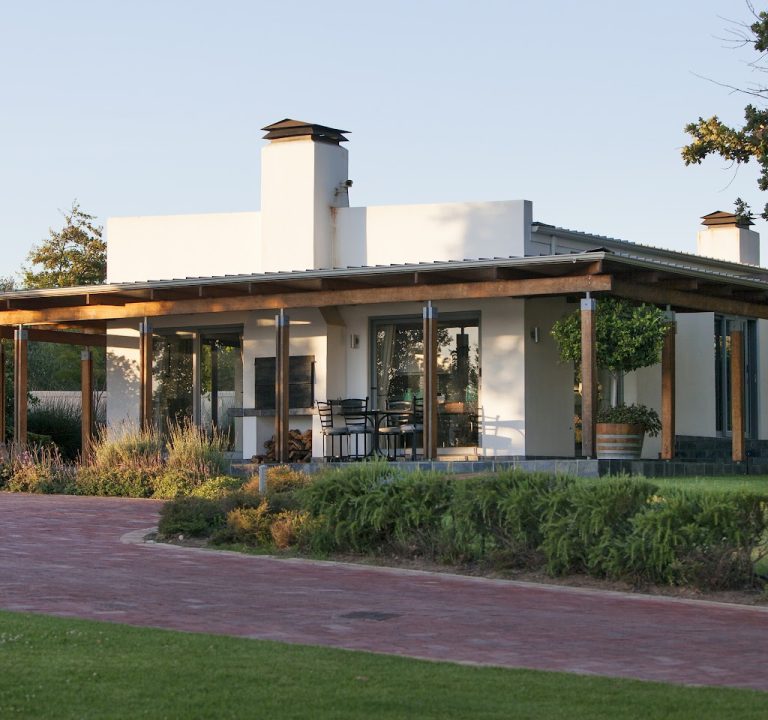
Stellenbosch: Where to Stay and What to Do in a Wine and Heritage Hub
Stellenbosch in the Western Cape combines Cape Dutch heritage, world-class wine, and a compact town centre that invites easy exploration by foot or bicycle. Whether you prefer a cosy guest house within a quiet neighbourhood, a boutique hotel near the town’s historic core, or a guest-friendly lodge on the edge of vineyards, the area offers a range of accommodation to suit different itineraries. When planning a stay, it helps to think about what you want to experience: wine wellness, culinary discovery, or a relaxed base for day trips into the surrounding winelands and natural scenery.
Areas to consider include the town centre, which places you within easy reach of cafés, boutiques and historic landmarks. For a more estate-like feel, stay on the fringe of Stellenbosch or in neighbouring towns where guest houses and lodges blend serenity with accessibility. If a shorter drive to wine estates is high on your list, look for properties that advertise proximity to specific wine routes or mountain trails. Many guest houses and small hotels offer a personal touch—plush bedding, private patios, or kitchenettes—while larger hotels may provide on-site dining, spa facilities, and organised tours. When booking, check for flexible rates, whether breakfast is included, and if staff can assist with transfers or guided tastings.
Typical amenities to look for include secure parking, reliable wi‑fi, climate control or good heating for cooler months, and private or semi‑private outdoor spaces. In Stellenbosch, a comfortable bed and a thoughtful breakfast can be as important as location. Enquire about the availability of airport or station transfers, as well as shuttle options to nearby wine farms or nature reserves. If mobility or accessibility is a concern, confirm the layout of rooms and any ground-floor options. Many accommodation providers in the region pride themselves on offering friendly local advice, from restaurant recommendations to self-guided walking routes.
Transport in and around Stellenbosch is straightforward but worth planning. The town centre is compact enough to explore on foot, while car hire provides flexibility for visits to the surrounding estates and scenic drives into the Helderberg and surrounding valleys. If you intend to visit multiple wine farms in a day, a designated driver or a guided wine tour can simplify logistics and enhance the experience. For those relying on public transport, check the proximity of accommodation to bus routes or shuttle services, and whether guest houses offer packed lunches or late check-in options for arrivals after hours.
The best time to visit Stellenbosch depends on the experience you seek. Spring and autumn bring mild weather, making it ideal for strolls through the town, alfresco dining, and outdoor tastings. Summer offers long days for hillside trails and river walks, though higher temperatures mean a relaxing pool or shaded verandah can be very appealing. Winter brings cooler evenings and a different atmosphere, sometimes with dramatic cloudscapes over the valley. If you are chasing spring blossoms or harvest-season energy, plan accordingly and book well in advance, especially during peak periods when accommodation can fill quickly.
In terms of planning a balanced itinerary, aim to couple daytime wine-tarmacs with cultural and outdoor activities. Beyond wine estates, you can expect a heritage-rich town centre with museums, galleries and a branch of traditional markets or craft shops. Dining options in Stellenbosch emphasise seasonal ingredients and terroir-inspired menus; while exact restaurant names and prices shift over time, a broad mix of casual eateries and refined dining rooms typically awaits, with many offering wine pairings and scenic delis within easy reach of your stay. Booking ahead for popular spots is prudent, particularly on weekends and during festival seasons.
Practical tips to help you get the most from your stay:
- Confirm cancellation terms and whether breakfast, parking, or gym and spa access is included.
- Ask about on-site amenities such as private patios, mini‑bars, or self-catering facilities in rooms that suit longer stays.
- Request guidance on secure parking and safe neighbourhood routes for walking or cycling after dark.
- Seek recommendations from hosts about less-touristy wine farms, nature walks, and local food markets.
- Consider basing yourself in a central area for easy access to the town’s pedestrian zones, or choose a rural guest house with views and tranquillity if you prefer a slower pace.
- Plan a day trip to the wider winelands region or the nearby nature reserves, balancing vineyard visits with cultural stops and outdoor activities.
For further information and ideas on staying in Stellenbosch, you can explore official tourism resources and visitor guides. These sources offer practical guidance on routes, seasonal highlights and what the region has to offer beyond the cellar doors. If you’re considering a stay at a guest house such as Farview Cottages, you can expect a personalised approach with comfortable accommodation and a favourable base from which to explore the surrounding vineyards, hills and historic town streets. Whether you are drawn by wine, cuisine or scenery, Stellenbosch provides a welcoming setting for a memorable South African break.