Discover Stellenbosch: Accommodation, Attractions and Practical Tips for a Memorable Stay
Stellenbosch, a historic university town set among the rolling vineyards of the Western Cape, offers a refined mix of wine-tasting routes, leafy neighbourhoods, stylish guesthouses and boutique hotels. Whether you arrive for a weekend break or an extended stay, planning ahead around where to stay and what to do will help you make the most of your visit.
When choosing where to stay, consider the different neighbourhoods and the travel you plan to do. The centre of town is compact, with easy access to museums, art galleries and cellar doors on foot. For a quieter atmosphere, look a short drive away from the town square into the surrounding vineyards or hillside suburbs where guest houses and boutique lodges blend tranquillity with convenience. If you’re visiting with family, a guest house offering larger suites or self-catering options can be a sensible choice, while couples might prefer a cosy boutique hotel with a spa or outdoor pool.
Typical amenities to look for include on-site parking, secure access, reliable Wi‑Fi, and notable extras such as a generous breakfast service, a pool, or a wellness offering. Many properties in Stellenbosch also partner with local producers to provide tasting experiences or cellar-door visits, which can be a real convenience when your schedule is tight. If you’re driving, check proximity to main routes and whether the property provides easy access to parking. For those relying on public transport or guided tours, choosing a location close to Stellenbosch’s main thoroughfare or the train station can minimise transfer times.
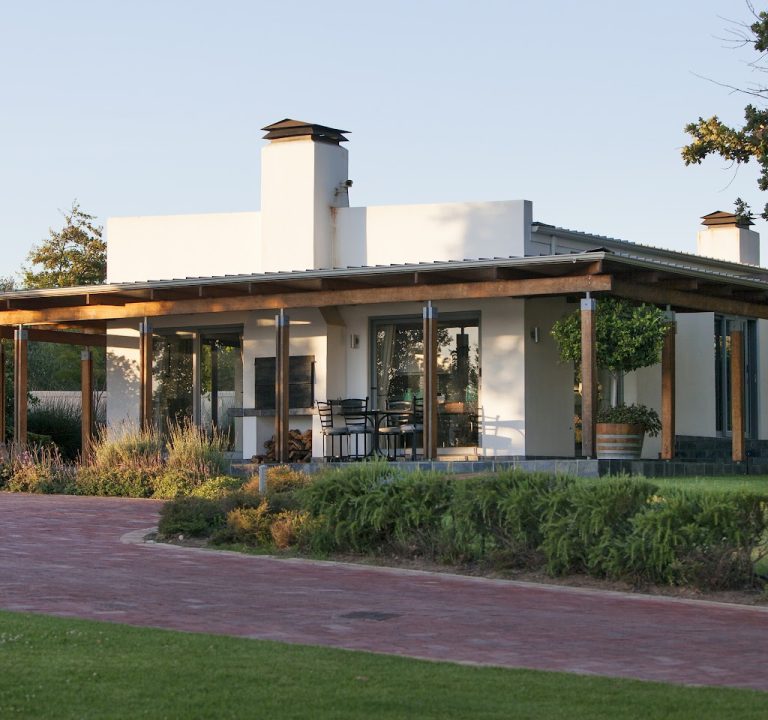
Acara Guest Cottages is one example of the many guest houses you might encounter in the area. A stay there can offer a comfortable base with a personal touch, and the property’s website provides details on rooms, facilities and the surrounding area. When exploring options, read recent guest reviews to gauge consistency in housekeeping, service, and the accuracy of online descriptions. Booking early for peak seasons — notably harvest time and school holiday periods — helps secure your preferred room type and rate.
Practical planning tips for a balanced itinerary:
- Align your stay with wine country activity. If you plan to visit several wineries, choose a location that minimises travel time between tastings or book a stay that offers a private shuttle or easy access to public transport.
- Consider pairing your wine experiences with meals at reputable local restaurants. Stellenbosch offers eateries ranging from casual bistros to more formal venues that emphasise seasonal, local ingredients.
- Think about the pace of your days. A mix of mornings exploring Cape Dutch architecture and museums, followed by relaxed afternoons in the garden or near a pool, can create a well-rounded rhythm.
- Don’t overlook nature and outdoor activities. Easy-access trails, scenic viewpoints, and riverside strolls provide a calm contrast to wine-focused itineraries.
- Plan for weather variations. The Western Cape can enjoy warm summers and mild winters, but coastal influences, winds, and rainfall patterns can shift. Pack layers and be prepared for changes in plan.
Getting around Stellenbosch is straightforward but knowing your transport options helps maximise your time. If you’re staying in town, most attractions are reachable on foot or by short taxi rides. Renting a car gives you freedom to explore rural winery routes and nearby towns at your own pace. Local operators offer organised tours to wine estates, historic sites, and regional markets, which can be a convenient way to cover multiple experiences without logistical stress. For those who prefer not to drive, a combination of guided tours and bicycle-friendly routes can be a pleasant option, especially during the better weather months.
Best time to visit depends on what you want from your trip. Harvest season, usually in autumn, is particularly atmospheric for wine lovers, with cellar door events and grape picking creating a vibrant backdrop. Spring brings blossom around the winelands and a generally mellow climate, ideal for outdoor tastings and walks. If your priority is lower crowds and a relaxed pace, consider shoulder seasons outside major school holidays, when accommodation may offer better value.
In terms of accommodation style, Stellenbosch caters to a broad spectrum. Guest houses and boutique lodges provide a personalised feel, often with hospitality that includes tailored recommendations for dining and activities. Self-catering options and smaller hotels can offer the comfort of home alongside professional service. Whatever you choose, a well-placed property should serve as a comfortable base from which to explore both the town’s cultural corners and the surrounding wine routes.
Typical features to expect when booking include en-suite bathrooms, daily housekeeping, secure parking, complimentary Wi‑Fi, and a modest pantry or kitchen area in self-catering arrangements. Some properties also include lounge spaces, gardens, or terraces with scenic views. Reading recent guest feedback and checking the listing’s cancellation policy are good steps to avoid surprises and to understand what the stay will feel like in practice.
To get the most from your Stellenbosch visit, combine curated accommodation with a thoughtful selection of activities: a stroll through the town’s historic streets, a cellar door or two in nearby wine estates, a relaxed lunch at a good restaurant, and ample downtime to simply enjoy the scenery. With the right base and a flexible plan, Stellenbosch offers a quintessential Western Cape experience that blends heritage, gastronomy and wine in a single memorable stay. For more information on potential places to stay, including guest houses such as Acara Guest Cottages, explore the official sites and current listings to tailor a stay that matches your preferences.