Durban, KwaZulu-Natal: A Practical Guide to Accommodation and Local Experiences
Durban blends golden beaches with a vibrant mix of culture, dining and outdoor adventures, making it a popular destination in KwaZulu-Natal. When planning a stay, consider the city’s diverse neighbourhoods to match your pace and interests. The central Berea and Glenwood offer leafy streets, boutique stays and easy access to historic architecture. South Beach and the central beachfront place you within reach of the coast, cafés and night markets. For a calmer, residential atmosphere with good access to parks and family-friendly attractions, look at areas such as Morningside or Umhlanga, which also provide a range of modern hotels and guesthouses. If you want a taste of Durban’s coastal village feel, explore small guesthouses along the northern coast or in the nearby satellite towns along the coast.
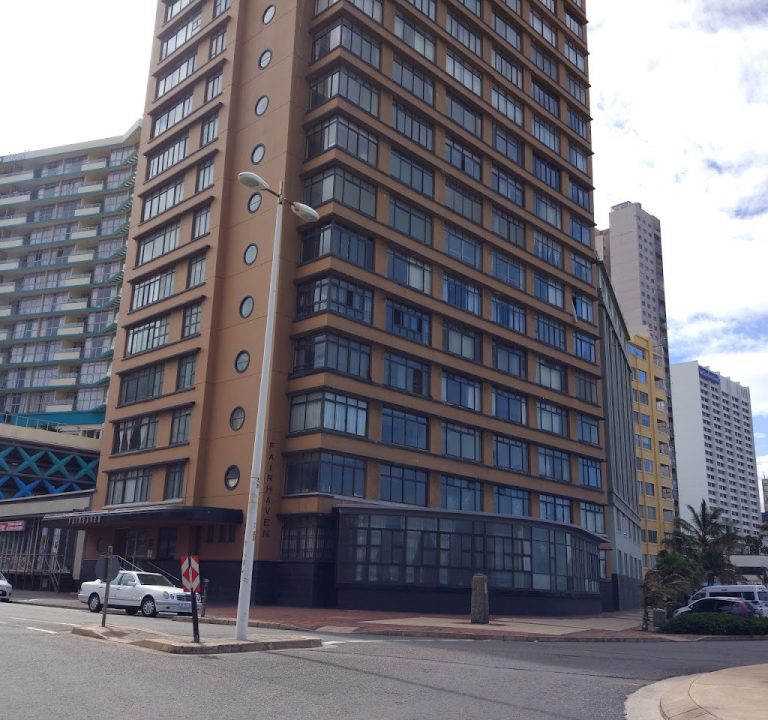
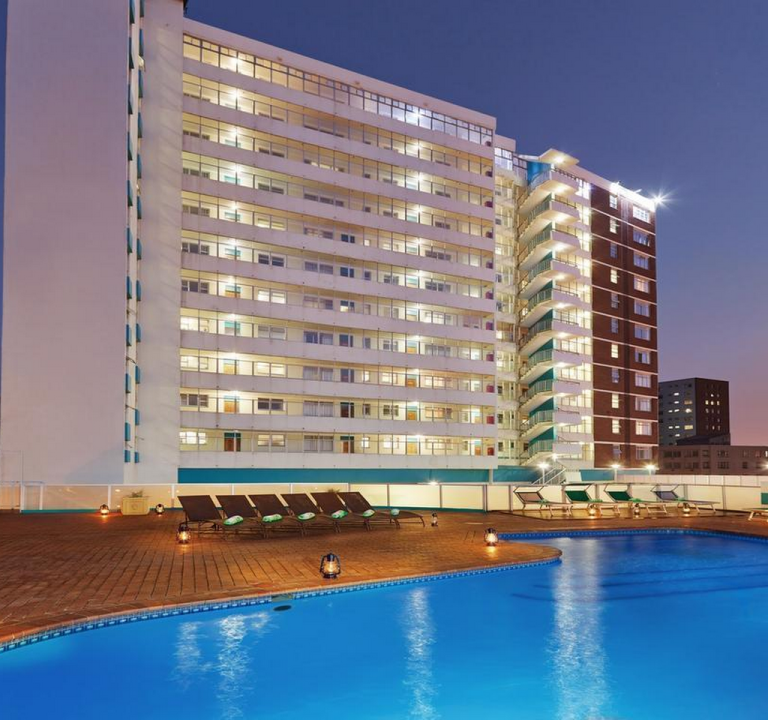
Accommodation in Durban spans stylish boutique hotels, comfortable guesthouses, well-equipped self-catering flats, and larger family-friendly hotels. When choosing where to stay, think about proximity to the attractions you plan to visit, access to public transport or parking, and the kind of experience you want. For instance, a central location can minimise daily transfers if you intend to spend time exploring the beachfront promenade, markets and museums, whereas a coastal suburb might provide easier beach access and a more relaxed pace. Look for flexible check-in times, clear cancellation policies, and honest descriptions of room layouts and facilities.
Typical amenities to look for include reliable air conditioning or ceiling fans (Durban can be hot and humid in summer), comfortable bedding, good privacy, strong Wi‑Fi, on-site parking, and easy access to dining options. Many properties offer breakfast options, which can be convenient for early starts to visits and day trips. If you travel with children, check for family-friendly rooms, safe outdoor spaces, and whether dining areas can accommodate varied meal requirements. For guests exploring after dark, consider properties with secure entrances and well-lit surroundings.
Transport around Durban is practical but not always straightforward without a car. If you’re staying near the beachfront or in the city centre, you’ll find a selection of taxis or ride-hailing services convenient for evening outings. A car can be valuable for exploring beyond the main beaches, such as inland parks, markets and day trips along the coast. If you prefer public transport, ask your host or hotel about nearby bus routes, or consider organised tours that offer hotel pickups. For longer stays, having a parking option on-site or nearby is worth confirming.
Best time to visit Durban is typically in the drier months of late autumn and spring (roughly March to May and September to November), when the weather is comfortable for outdoor activities. Summers (December to February) bring warmth and humidity with regular afternoon showers; this can be ideal for indoor or water-based activities, but plan for occasional rain disruptions. Autumn and winter in Durban are mild compared with many other cities, offering pleasant days for strolling the promenades, visiting markets and enjoying coastal eateries. If you’re planning a big beach or swimming focus, remember that the sea can be lively and currents change with the seasons, so opt for beaches with lifeguards and local guidance.
Top activities for visitors include strolling along the Golden Mile and the beachfront promenade, where you’ll encounter a mix of cafés, street performers and family-friendly spaces. Durban’s cultural highlights span museums, markets and art districts, with plenty of opportunities to sample local cuisine. For nature lovers, nearby nature reserves and coastal trails offer easily accessible day trips. If you’re drawn to local flavours, you’ll find a spectrum of establishments ranging from casual street food to more refined eateries, all offering a snapshot of KwaZulu-Natal’s culinary scene.
When planning meals and dining, consider a balance between casual spots for lunch and more ambient venues for dinner. Durban’s restaurant scene leans into fresh seafood, Indian-inspired curries, and vibrant South African flavours. If you’d like to keep planning simple, many accommodation options provide curated suggestions or have partnerships with nearby eateries. Always check dietary options in advance, especially if you have allergies or preferences, and allow time for relaxed meals that let you soak in the atmosphere.
To make the most of your stay, a practical checklist could include the following:
- Confirm access to parking or reliable transport options for the duration of your stay.
- Clarify breakfast service, kitchen facilities, and dining options nearby.
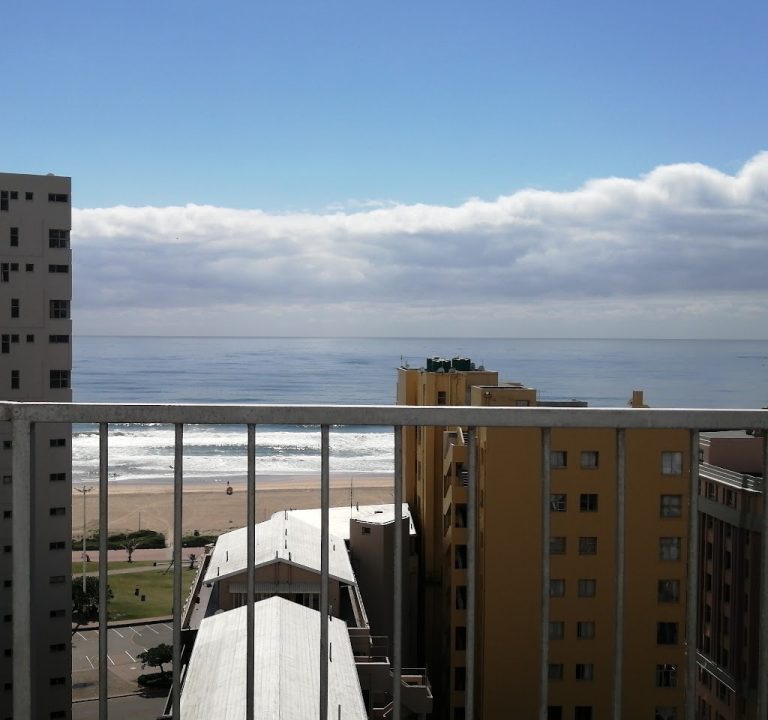
- Ask about walkability to beaches, markets and public spaces you plan to visit.
- Check if you need sun protection, as Durban’s coastal climate can be bright and sunny.
- Plan a balanced itinerary with a mix of outdoor time, cultural experiences and downtime at your accommodation.
Seasonal tips: pack light cottons and layers for variable days, a light rain jacket for spring showers, and a sturdy pair of sandals or walking shoes for beachfront promenades. A reusable water bottle is handy for keeping hydrated while exploring the city’s parks and markets. For practical planning, consult official tourism resources and trusted travel guides online; they can provide current information on opening hours, seasonal events and safety recommendations.
Durban offers a diverse range of stays with easy access to the city’s beaches, markets and cultural venues. With thoughtful planning around location, amenities and transport, you can tailor a stay that suits a relaxed beach holiday, a family break or a city-focused adventure. For more information and inspiration, you can explore official tourism resources and reputable travel guides, which often feature suggested itineraries, area highlights and practical travel tips. Durban tourism website and South Africa travel guides are good starting points for planning your stay.