Accommodation and Things to Do in Polokwane, Limpopo
Polokwane, the capital of Limpopo, blends modern South African hospitality with easy access to nature, culture and craft experiences. Whether you’re seeking a cosy guesthouse, a comfortable hotel, or a boutique lodge, the city offers a range of stays that suit both short breaks and longer visits. When planning your stay, consider the area, the amenities you value, and how you’ll get around to make the most of your time in this vibrant, tree-lined city.
Areas to consider include the central city precinct, where easy access to restaurants, shops and markets makes everything walkable or a short taxi ride away. Suburban areas near the Waterberg foothills offer a quieter environment with larger grounds, on-site parking, and sometimes pool facilities or gardens. For a blend of convenience and a touch of nature, look for stays on the outskirts or within a short drive of the city’s northern parks and reserves. If you’re travelling with family, check for family rooms, interconnecting suites, and safe, well-lit parking.
When you book, think about what matters most for your comfort and safety. A clear room policy, reliable WiFi, secure parking, 24‑hour reception or on-site staff, and clear transport options are useful. For many travellers, breakfast included or access to a hot meal later in the day is a practical perk, especially if you’re planning day trips to regional attractions. If you rely on a vehicle, confirm on-site parking or convenient street parking, plus a reasonable walking distance to local highlights. For those who prefer fewer commitments, many properties offer flexible check-in or self-catering facilities that let you tailor dining around your itinerary.
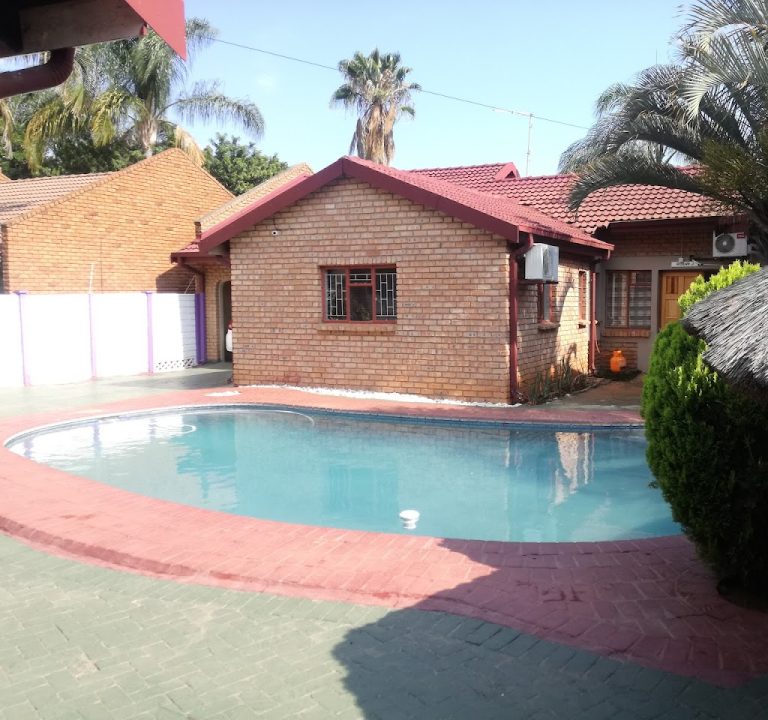
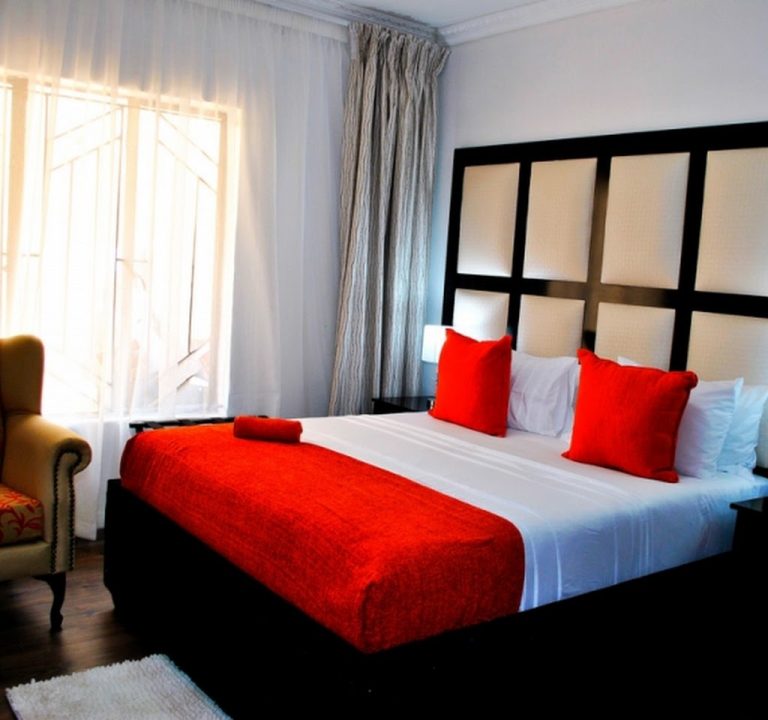
Typical amenities you might encounter include en-suite bathrooms, air conditioning or fans, tea and coffee facilities, a work desk, secure safes for valuables, and well-kept communal spaces. A guesthouse or boutique hotel may offer personalised service, while larger hotels often provide additional facilities such as a pool, fitness room, conference spaces, a restaurant on site, and laundry services. If you have accessibility needs, look for step-free access, lift facilities, and clearly described routes within the property. For travellers who want to explore at their own pace, consider properties that provide maps, local recommendations, or tour desk support.
Transport in Polokwane is practical with a road network that suits self-drive travellers and ride-hailing options. Having a car can be convenient for exploring beyond the city centre to nearby nature reserves, viewpoints, and markets, but many accommodations are well connected to urban attractions by short taxi rides. If you plan to visit during peak periods, such as school holidays or long weekends, booking in advance is advised to secure a comfortable room at a good rate. Consider the local climate when you plan your stay: Polokwane experiences hot, dry winters and warm, wetter summers. The dry season is often the most comfortable for outdoor activities, while the summer rains can bring lush scenery but heavier travel planning for garden or park visits.
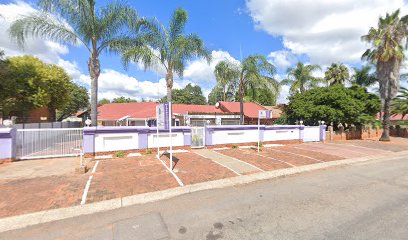
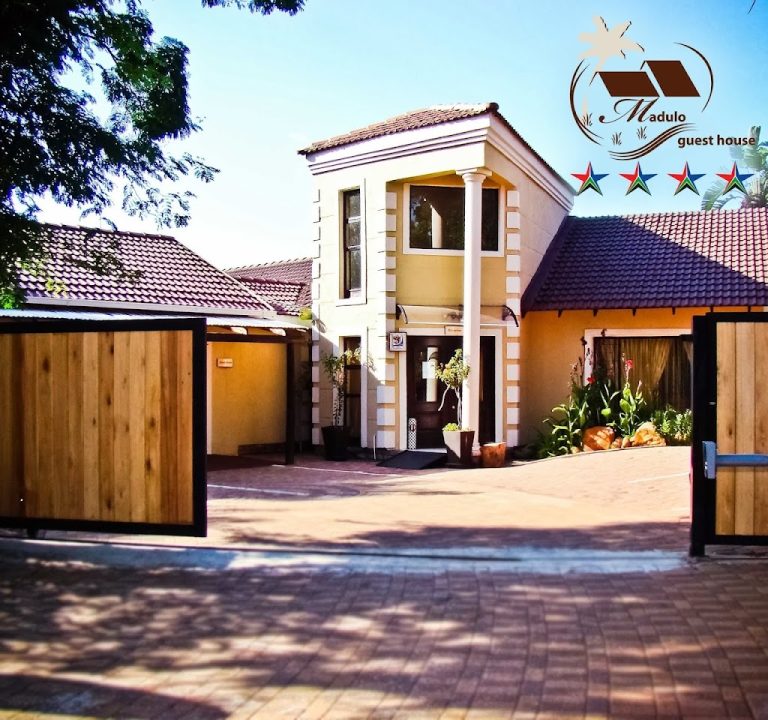
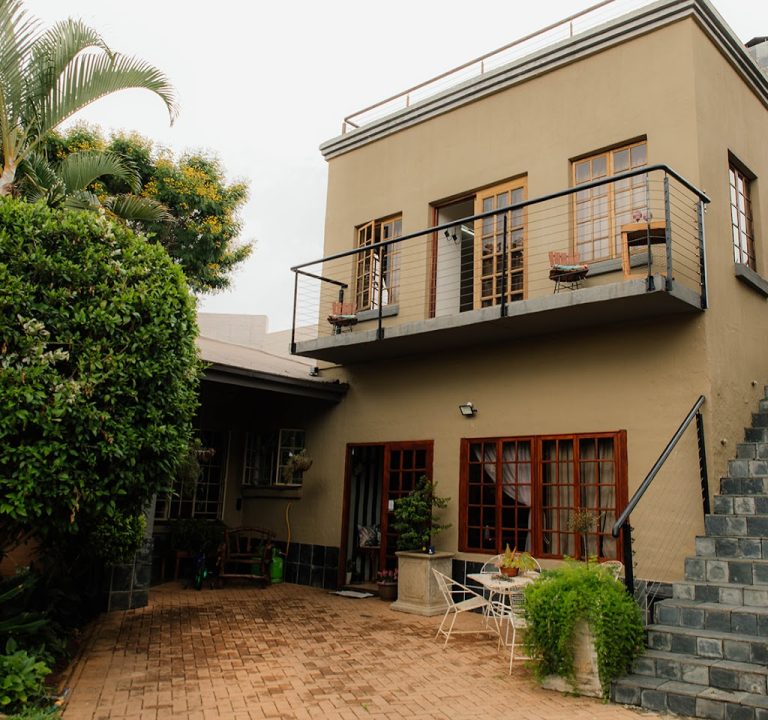
Accommodation in Polokwane ranges from modern hotels to guesthouses and boutique lodges. One option to look out for is a guest house or small hotel with a reputation for attentive service, comfortable rooms, and a reflective sense of place—sometimes reflected in decor inspired by Limpopo’s landscapes and crafts. Staying centrally can shorten transit times to the city’s main sights, while staying a little further afield can offer a calmer ambience and more outdoor space. When you choose, check recent guest reviews for notes on cleanliness, responsiveness, and accuracy of apartment or room descriptions, as these are good indicators of what you’ll experience upon arrival.
Polokwane’s nearby attractions are typically enjoyed as part of a well-planned itinerary. General options include nature experiences in protected or scenic areas, outdoor trails, and opportunities to observe local wildlife in landscapes that are characteristic of Limpopo. Cultural interests may include museums or galleries, markets with local crafts, and entertaining dining scenes in the city’s eateries. Dining in Polokwane often emphasises hearty, locally inspired dishes and modern takes on regional ingredients; most establishments offer varied menus that suit different budgets and dietary needs, from casual bistros to more formal dining rooms. If you’re planning restaurant stops, it’s useful to reserve a table in busy periods and ask staff for seasonal recommendations or local specialties to sample during your visit.
- Tips for planning your stay: book in advance for peak travel times; confirm parking and breakfast options; check cancellation policies; and ask about late check-in arrangements if you expect to arrive after hours.
- Practical pointers: have a rough daily plan to visit markets, parks, or viewpoints; keep a light rain jacket for summer showers; and carry small change for market stalls or taxi fares.
- Before you go: verify any travel advisories or weather alerts, and check local opening hours for markets, museums, and attractions.
In summary, Polokwane offers a range of accommodation styles to suit different tastes, with a focus on contemporary comfort and easy access to the Limpopo region’s natural beauty and urban life. When selecting a place to stay, consider location, essential amenities, transport options, and how your daily plan will unfold. A well-chosen base—from a characterful guest house like Endani Guest House to a modern hotel in the city centre—can frame a memorable visit to Polokwane and the wider Limpopo countryside, letting you experience both the warmth of South African hospitality and the wonders of the region at your own pace.