Accommodation and Experiences in Polokwane, Limpopo: Plan Your Stay
Polokwane, the capital of Limpopo, offers a welcoming mix of guest houses, lodges and hotels that suit a range of budgets and travel styles. Whether you arrive for business, a family break, or a nature-focused itinerary, the town can serve as a comfortable base from which to explore the surrounding Lowveld and the province’s wider attractions. When planning a stay, consider the neighbourhood’s vibe, transport links, and the level of comfort you require, from quiet, intimate guest houses to more spacious boutique properties.
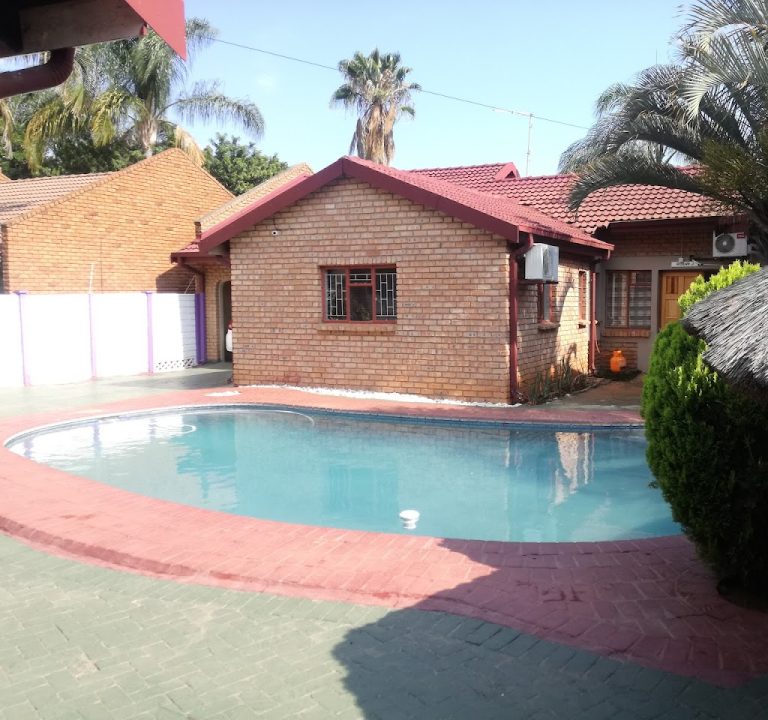
For accommodation, Polokwane tends to cluster around convenient corridors that provide easy access to the city’s services, dining and markets. Guest houses and small hotels often offer a warm, personal touch, with hosts who can share local tips and arrange day trips. In addition to room rates, check whether breakfast is included, housekeeping frequency, and whether there is a guest lounge or communal kitchen. Some properties feature outdoor seating or small gardens, which can be a welcome respite during warm days. If you’re planning a longer stay, look for facilities such as laundry services, secure parking, and reliable Wi‑Fi, which can make a big difference to comfort and convenience.
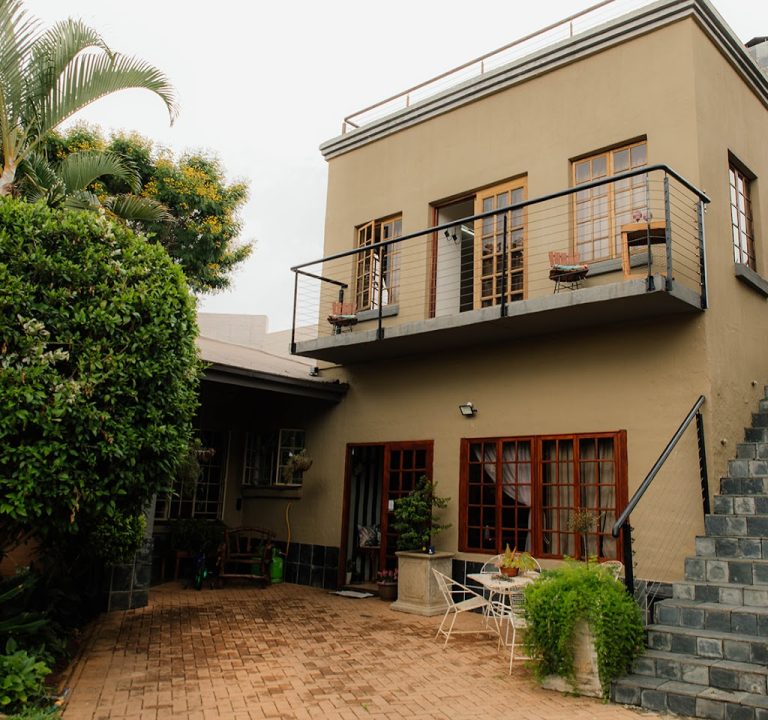
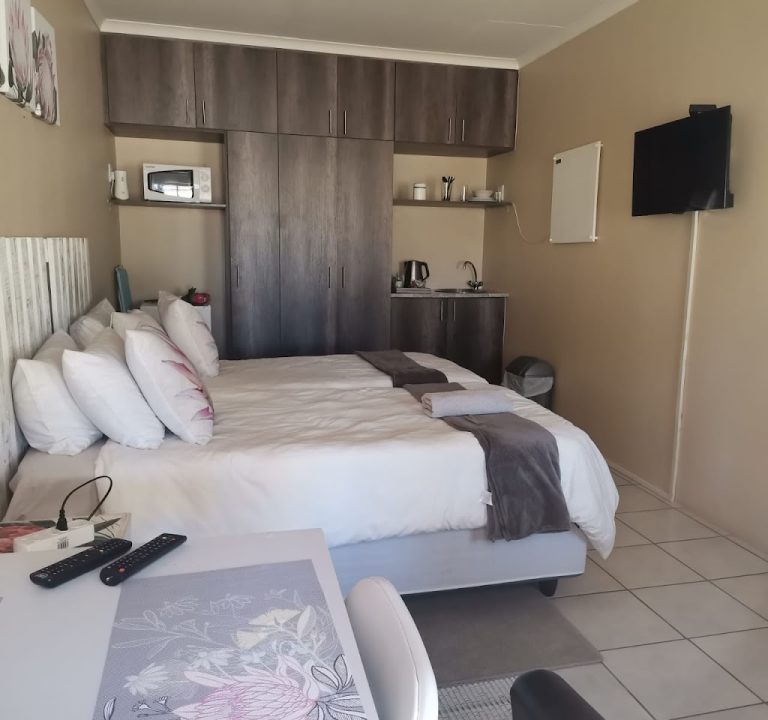
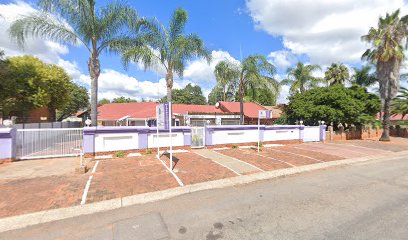
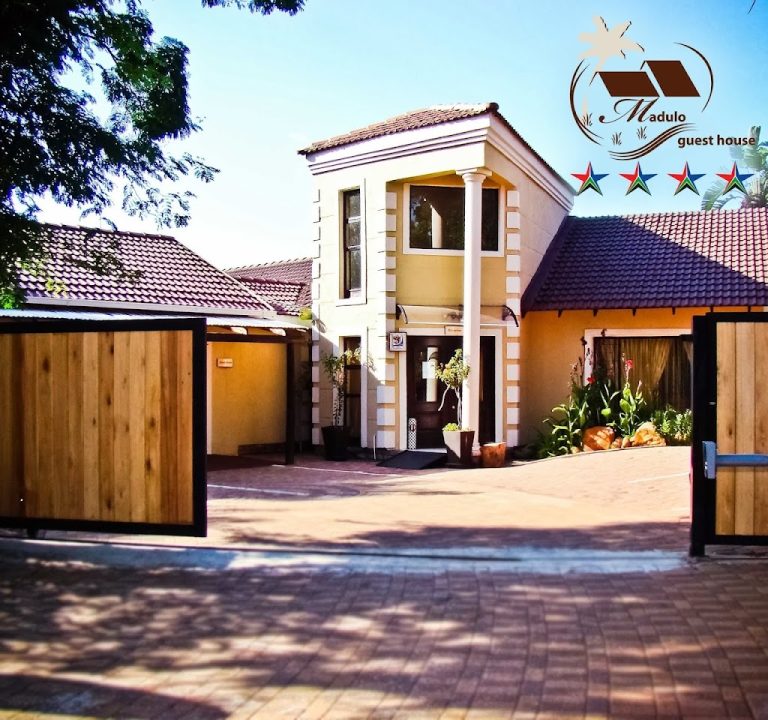
One example you might encounter is a guest house that operates as a compact, well-situated retreat. Properties of this kind often advertise a homely atmosphere, with thoughtfully furnished rooms and an emphasis on hospitality. Whether you’re staying in a single room or a family suite, such places typically offer friendly guidance on local routes and eateries, helping you optimise your time in Polokwane.
Areas to consider when booking include proximity to the city centre and major roads, which can reduce travel time for day trips. If you prefer quieter pockets, look for suburban or garden-facing locations that minimise street noise while still being within easy reach of amenities. Some travellers value a setting near markets or dining hubs for convenience, while others prioritise a peaceful, leafy environment for evenings after sightseeing.
Transport in Polokwane ranges from car hire and taxi services to ride-hailing apps and organised tours. If you plan to explore beyond the city, a rental car is often the simplest option, offering flexibility to visit nature reserves, game reserves, and other attractions at your own pace. Many guest houses provide secure parking or arrange trusted transfer services. When you book, check whether the property offers airport or terminal transfers, and whether they can assist with day trips to nearby reserves or scenic drives.
Best time to visit Polokwane generally follows the region’s climate patterns. The dry season, typically extending from May through September, is popular for outdoor activities and wildlife excursions because the landscape is less lush but the days are clear and the air is cooler in the evenings. The rainy season can bring afternoon showers, lush scenery, and lower afternoon temperatures; it also means river and waterfall activity may be more pronounced. If your itinerary includes game viewing or walking tours, discuss with your host or tour operator which months offer the best balance of wildlife visibility and comfortable walking conditions.
When planning activities, consider pairing your stay with a mix of experiences that showcase Polokwane and its surrounds. Cultural visits to museums and heritage sites offer insight into the region’s history and modern life, while markets and casual eateries provide opportunities to sample local flavours and crafts. For day trips, quiet nature reserves or scenic drives nearby can be a refreshing counterpoint to city days. Your host or a local travel planner can help you assemble a sensible itinerary that complements your pace, rather than rushing between sights.
On the dining front, Polokwane’s restaurant scene ranges from traditional South African fare to contemporary bistro-style menus. In general, look for places that offer seasonal dishes and friendly service, with a focus on fresh ingredients. Many properties will recommend nearby eateries that suit your preferences, whether you crave hearty braai-style meals, light lunches, or dinner in a comfortable setting after a long day out. Markets and food stalls can also be delightful for trying quick bites and local snacks, particularly in central or market-adjacent areas.
Practical tips to help you enjoy a smooth stay:
- Book accommodation with flexible cancellation policies, especially if your plans may change with weather or work commitments.
- Ask hosts about safe walking routes for evening strolls and recommended transportation times to major venues.
- Carry a light, weather-appropriate jacket for cool evenings, even in the dry season.
- Check what the property provides in terms of toiletries, laundry facilities, and kitchen basics if you plan to self-cater.
- Verify check-in procedures and late arrivals, particularly if your travel schedule changes due to flights or road conditions.
For accommodation that combines a homely feel with practical comfort, consider a guest-house style option such as 58 on Mcdonald, a small-scale property noted for its central location and personalised service. While each stay varies, such places typically offer a calm base from which to discover Polokwane’s central services and nearby attractions. Always read recent guest reviews and confirm what inclusions are available during your stay, and use the property’s official website as a starting point for planning, with links to local guides and itineraries.
With careful planning, Polokwane can be both welcoming and convenient. By choosing the right area, understanding what to expect from your accommodation, and aligning your activities with the season, you can enjoy a well-balanced stay that highlights Limpopo’s hospitality, landscapes, and culinary offerings.