Durban: Accommodation, Attractions and Practical Planning for a Memorable Stay
Durban sits along the warm Indian Ocean, blending subtropical climate, vibrant culture and a coastline that invites long days of beach play and seaside strolls. When planning a stay in KwaZulu-Natal’s coastal city, consider a few core ideas to make the most of your visit: the neighbourhood you choose, the style of accommodation that suits you, and how you’ll get around to explore the many attractions and dining options on offer.
Durban is spread across several distinct areas, each with its own character. The beachfront precincts are perfect for those who want immediate sea views, easy access to the promenade, and a cluster of dining and entertainment options. For a more relaxed, leafy vibe with easy access to shops and cafés, inland districts such as Morningside and the Berea offer characterful guesthouses and boutique hotels. Suburban hubs like Umhlanga and La Lucia provide a quieter setting with easy access to pristine beaches, modern amenities, and well-planned residential streets. When choosing where to stay, think about proximity to the sights you most want to experience, the pace you prefer, and how long you’ll be on the coast versus exploring inland attractions.
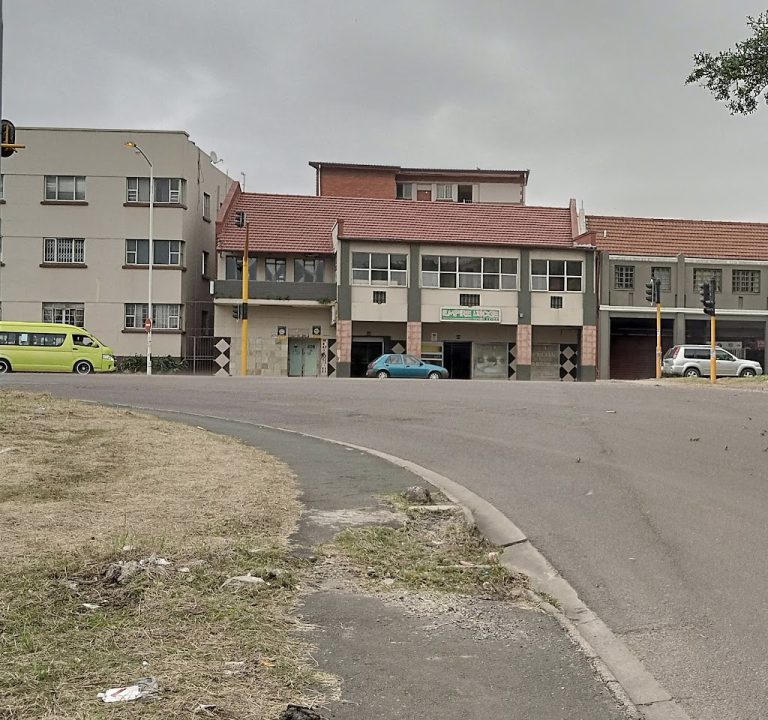
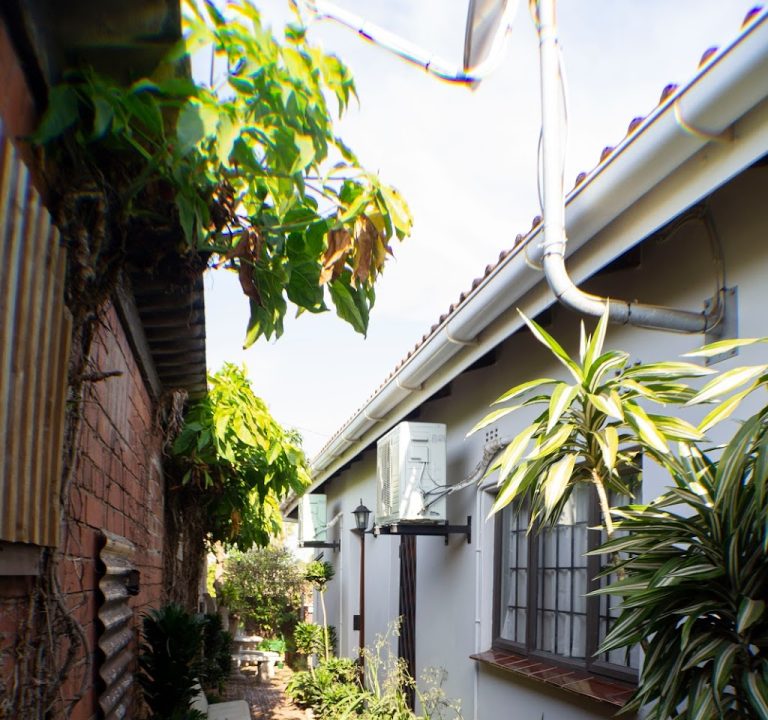
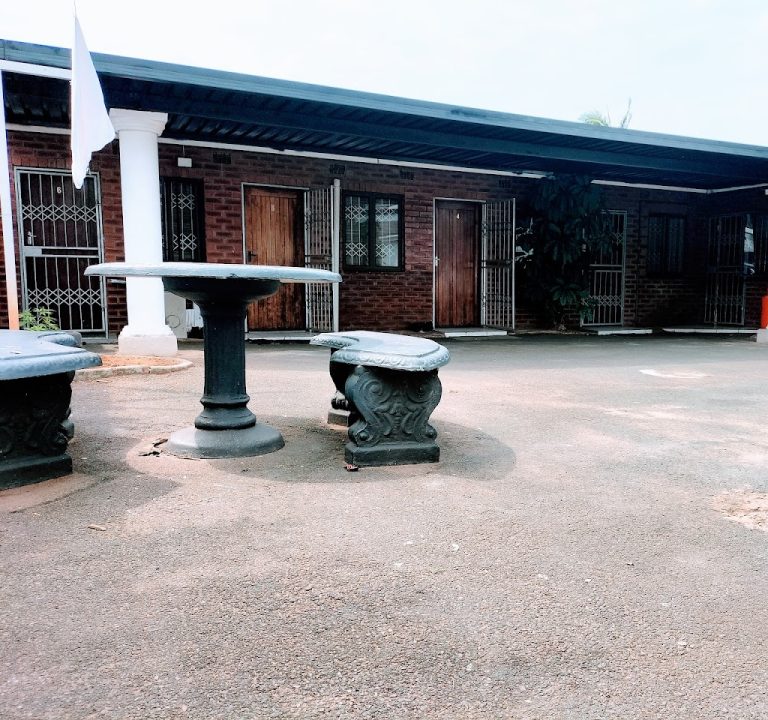
Accommodation in Durban spans stylish guesthouses, well-appointed B&Bs, family-friendly lodges, and contemporary boutique hotels. A lodge such as Empire Lodge, for example, can offer a blend of comfortable rooms, warm hospitality and convenient access to major routes. Hotels and lodges along the coast frequently feature sea-facing rooms, outdoor spaces for al fresco dining, and convenient parking. Look for properties that provide:
- Safe, convenient access to the neighbourhood and surrounding areas
- On-site parking if you’re driving, and clear directions to the property from major routes
- Good-quality bedding, adequate heating or cooling, and reliable Wi-Fi
- En-suite bathrooms with thoughtful amenities and daily housekeeping options
- Public spaces that encourage relaxation, such as lounges, gardens or terraces
When planning your stay, think about the best time to visit. Durban’s climate is subtropical, with warm summers and mild winters. The summer months (roughly November to February) bring more humidity and the possibility of rain, but also the peak beach-going period and lively outdoor culture. Winter (May to August) is generally dry and pleasant for exploration, with comfortable sea breezes. Shoulder seasons often provide a balance between fewer crowds and pleasant weather. If you’re hoping to combine safari day trips with a coastal break, plan a mid-year window that eases travel between the coast, the Midlands and neighbouring nature reserves.
Practical planning helps you get the most from your stay. Book in advance for popular seasons, especially if you’re visiting over school holidays or public events. When evaluating accommodations, check:
- Neighbourhood character and distance to the places you’ll visit, such as beaches, markets, and cultural hubs
- Accessibility: lift access or ground-floor rooms if needed, and whether the property is easy to reach by taxi or ride-hailing services
- Meal options: whether breakfast is included, and if there are on-site dining facilities or nearby recommended eateries
- Cancellation policies and flexibility in case plans shift
Transport options in Durban are practical and varied. A car offers the greatest flexibility for exploring coastal towns, nature reserves and inland attractions. For those staying in central or beachfront areas, walkable access to beaches, markets, and cafés is a real boon. Ride-hailing services are widely used, and local transport links connect you to major sights and neighbouring towns. If you’re exploring beyond Durban, consider linking up with guided day trips or private tours to experience the region’s biodiversity, cultural heritage, and scenic drives with ease.
Durban’s attractions and experiences span family-friendly beaches, botanical gardens, and vibrant markets. You’ll find coastal promenades ideal for evening strolls, historic sites that tell the city’s story, and a dining scene that emphasises fresh seafood and regional influences. Restaurant choices range from casual cafés to more refined venues that showcase South African flavours alongside international influences. When planning to eat out, consider trying a mix of places near your accommodation, waterfront restaurants with sea views, and markets that offer local wares and street-food-style bites. Always check opening hours and whether reservations are recommended, particularly for weekend dinners or special events.
For travellers seeking a balanced itinerary, a typical plan might include a morning beach walk or a park visit, a mid-morning coffee in a local neighbourhood hub, an afternoon cultural stop or a nature excursion, followed by a relaxed dinner in a buzzy precinct. If you’re short on time, prioritise a couple of key experiences and leave space for spontaneous discoveries—the city has a habit of offering unexpected highlights around every corner.
Accommodation can be a comfortable base that complements your time on the coast. If you’re drawn to a lodge experience with a touch of home-style hospitality, consider a property like Empire Lodge, which offers a welcoming base and straightforward access to Durban’s main routes and attractions. Learn more at the property’s website: Empire Lodge.