Exploring Pongola: Accommodation, Attractions and Practical Planning for a Memorable Stay
Pongola, tucked in northern KwaZulu-Natal, offers a rural, relaxed base from which to explore the region’s natural beauty and cultural flavour. The area is known for its malaria-conscious open spaces, riverine scenery and easy access to nature reserves, making it an appealing choice for travellers seeking a laid‑back South African escape with opportunities for wildlife, outdoors and authentic local experiences. When planning a stay, consider a mix of lodging types—from intimate guesthouses and country lodges to comfortable hotels—so you can balance restful downtime with easy access to day trips and outdoor activities.
Where to stay and what to look for: Pongola’s accommodation tends to cluster around key routes and riverfronts. Look for properties that emphasise space, clean hospitality and a sense of place. A good base should offer secure parking, easy vehicle access for day trips, and flexible dining arrangements, especially if you plan to start early on safari-type excursions or long nature walks. Many guesthouses and lodges in the area provide either on‑site meals or easy access to local eateries, which helps in keeping daily plans uncomplicated. If you’re travelling with family or a small group, ask about family rooms or interconnected suites, as well as options for guided activities or self-guided nature trails on site or nearby.
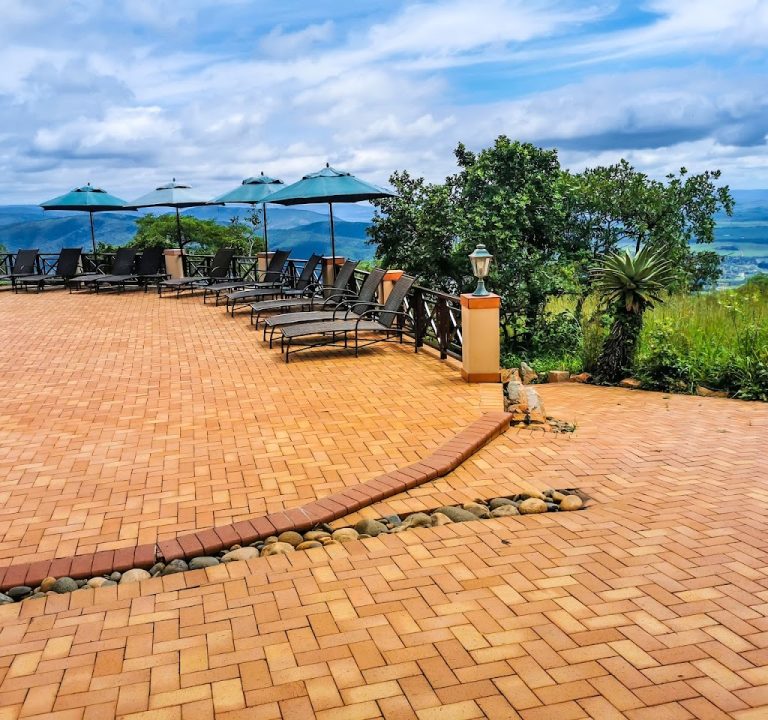
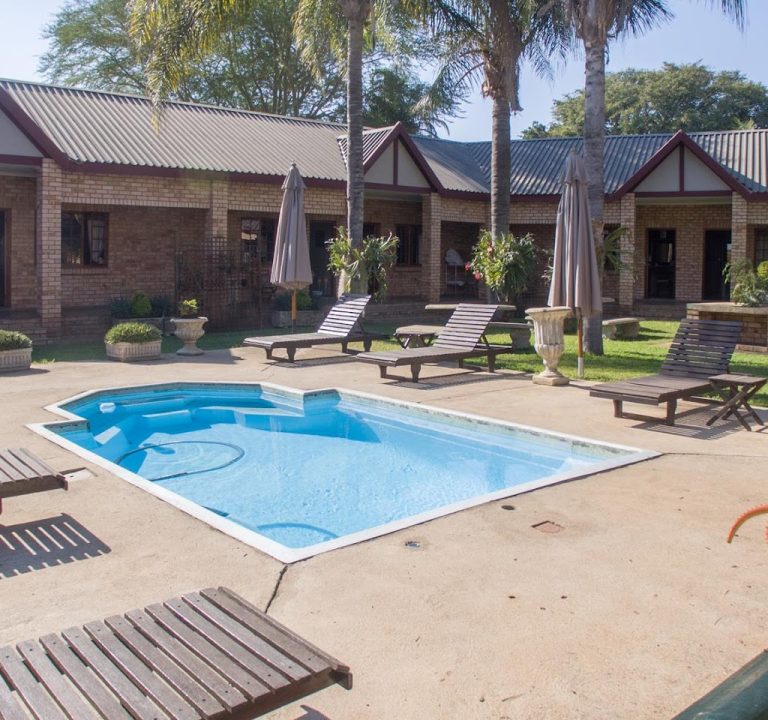
Typical amenities and what they mean for your stay: Expect comfortable rooms with private bathrooms, reliable bedding and a quiet environment. Some properties offer shaded verandas, communal lounges and outdoor seating that maximise the sense of space. For longer stays, free Wi‑Fi, generous breakfast buffets, and on‑site dining can be particularly convenient. If you plan to explore the surroundings by car, confirm that parking is available and that reception staff can provide local driving tips, maps or recommended routes. A few lodges may boast small swimming pools, secluded gardens or outdoor braai (barbecue) areas—great for unwinding after a day of exploring the countryside.
Transport and access: Pongola is best explored with a car, giving you the freedom to reach nature reserves, viewpoints and village eateries at your own pace. If you’re arriving from larger towns or airports, you may rely on regional road networks and domestic flight connections to nearby hubs, followed by a ground transfer. When booking, ask about the most convenient arrival routes, suggested driving times, and whether the property can assist with transfers or arrange guided day trips. In more remote spots, a map, a compass or offline navigation can be useful, as mobile signal may vary in outlying areas.
Best time to visit and practical planning tips: The region experiences a temperate climate with variation between winter and summer seasons. The dry winter months can be ideal for wildlife viewing and outdoor activities, with cooler evenings and clearer skies. Summer brings warmer days and the possibility of rain showers, which can be refreshing after a hot day but may require lightweight rain gear. For nature lovers, dawn and dusk are often the best times to explore, so factor early starts into your itinerary. Pack layers, a good sun hat, sunscreen, insect repellent and sturdy footwear for walks or short hikes. If you’re visiting for specific activities—like birdwatching, river excursions or water‑based experiences—check with your accommodation about best times and any local regulations or seasonal closures.
Local attractions and day‑trip ideas (general in scope): Pongola’s landscape lends itself to easy day trips and relaxed explorations. Visitors can enjoy river views, open savannahs and nearby nature reserves where self-guided walks or recommended guided itineraries might be available. Cultural experiences, such as village markets and craft stalls, offer chances to meet residents, sample regional snacks and observe traditional crafts. For those who enjoy wildlife‑themed outings, inquire at your lodging about guided drives or walking safaris in the surrounding countryside, and learn about conservation efforts and best practices for responsible tourism.
Where to eat and drink: In addition to on‑site dining where offered, many visitors opt for nearby eateries and informal cafes that specialise in hearty, regional fare. Look for places that focus on fresh, seasonal ingredients and simple, satisfying meals after a day outdoors. If your accommodation has a restaurant, enquire about tasting menus or local favourites, and whether they can accommodate dietary requirements. Supporting small, locally run restaurants contributes to the economy and often provides a more authentic sense of place compared with larger chains.
Booking tips and responsible travel: When choosing where to stay, read recent guest reviews to gauge consistency in comfort, service and cleanliness. Clarify check‑in and check‑out times, whether breakfast is included, and if there are options for early starts or late departures. For sustainability, ask about [where possible] water usage policies, recycling practices and the willingness of the property to support conservation-minded activities. Bring cash for small purchases if card facilities are limited, and always confirm what transport arrangements the property can assist with for day trips or excursions.
In sum, Pongola offers a straightforward, atmospheric base for exploring northern KwaZulu‑Natal’s landscapes and culture. By selecting a well‑located, comfortable base, planning a flexible itinerary that blends wildlife, scenery and local flavour, and packing with practicality in mind, visitors can enjoy a rewarding stay in this peaceful corner of South Africa. For more information and ideas on planning your trip, connect with reputable accommodation providers who can tailor recommendations to your interests and pace.